Unidentified and Unresolved: The Pentagon’s Calculated Pivot on UFO Transparency

The Pentagon has released 161 files regarding UAPs following an executive order to increase transparency, though officials admit they cannot yet determine the nature of the phenomena. To bridge the data gap, the U.S. government is inviting private sector and civilian experts to assist in analyzing the declassified videos and documents.

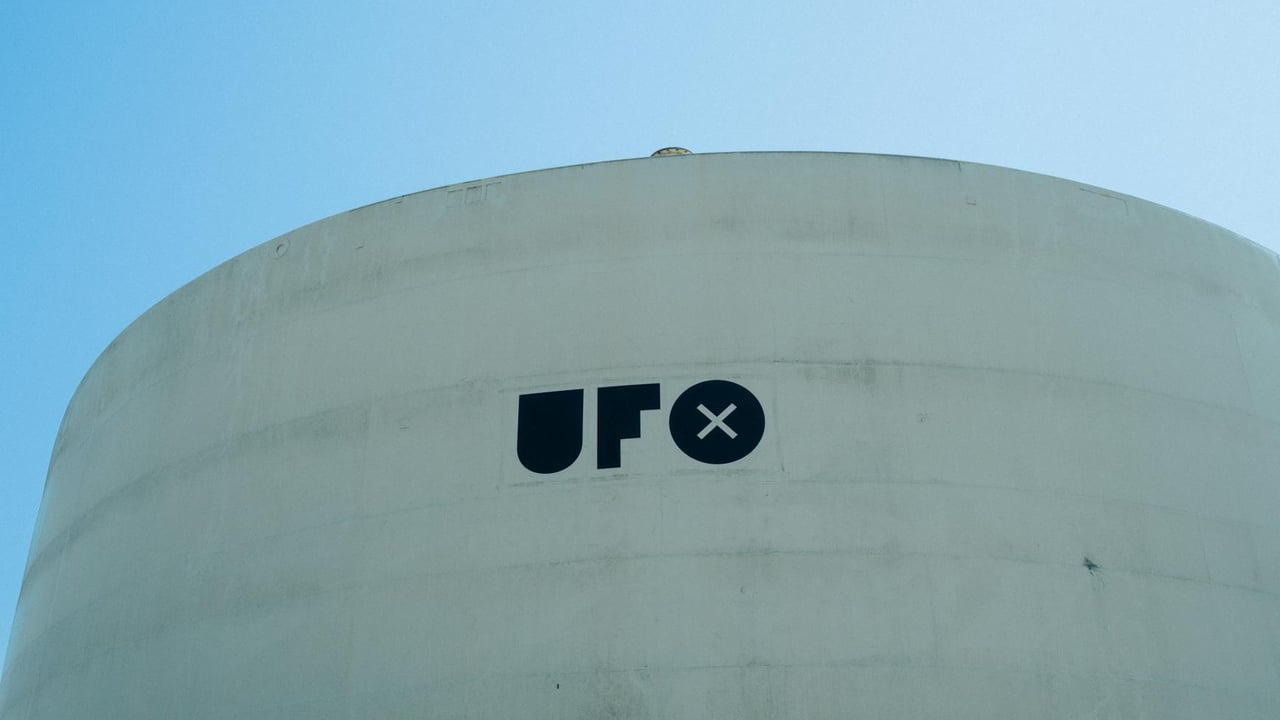
Minimalist image of a white cylindrical structure with 'UFO' text under a clear blue sky.

Key Takeaways

  • 1The Pentagon released 161 documents, videos, and images related to UAPs on a dedicated public website.
  • 2The Department of Defense stated it cannot yet make a definitive conclusion on the nature of the sightings due to insufficient data.
  • 3The release was mandated by a February executive order from Donald Trump to increase government transparency.
  • 4Private sector and civilian experts are being encouraged to assist in the analysis of the released materials.
  • 5All published files have undergone national security reviews but lack comprehensive professional interpretation.

Editor's
Desk

Strategic Analysis

The transition of UAP investigations from the shadows of military intelligence to a public-facing portal represents a strategic pivot in how the U.S. manages national security narratives. By admitting a lack of 'definitive conclusions,' the Pentagon is effectively shifting the burden of proof while simultaneously sanitizing a topic that was previously dismissed as conspiracy. The invitation for private-sector collaboration is particularly telling; it suggests that the U.S. government views these phenomena not just as a security concern, but as a scientific challenge that exceeds the current capacities of the intelligence community. This 'open-source' approach to anomalies may serve to identify adversarial technology disguised as UAPs while maintaining a posture of scientific humility.

China Daily Brief Editorial
Strategic Insight
China Daily Brief

The Pentagon has initiated a significant declassification process, releasing a trove of documents related to Unidentified Aerial Phenomena (UAP) that marks a pivotal shift in the U.S. government’s engagement with what was once a fringe topic. This initial release of 161 files—comprising videos, photographs, and raw data—has been consolidated onto a new, dedicated government portal. The move signals an institutional attempt to address long-standing public skepticism through structured transparency.

Despite the volume of the release, the Department of Defense has been careful to manage expectations, stating that the nature of these sightings remains inconclusive. Officials have noted that the files are largely "unseen" by the public but still lack the requisite data density to support definitive scientific conclusions. The military’s admission of uncertainty highlights a persistent gap between sensor capabilities and the ability to interpret anomalous data points in real-time.

In a departure from traditional military isolationism, the Pentagon is now actively soliciting the involvement of private-sector firms and civilian experts. By inviting external analysts to apply their resources and specialized knowledge to the data, the government is essentially crowdsourcing a national security puzzle. This suggests that the current defense infrastructure may find the scientific demands of UAP analysis to be outside its primary combat-ready focus.

This disclosure campaign stems from an executive order issued by Donald Trump in February, aimed at identifying and declassifying all government documents related to UAPs and UFOs. While the primary goal is ostensibly to increase public trust and transparency, the initiative also serves to formalize the reporting process within the military. By stripping away the stigma associated with reporting such phenomena, the administration hopes to gather more coherent intelligence on potential technological breakthroughs or atmospheric anomalies.

Share Article

Related Articles

📰
No related articles found