
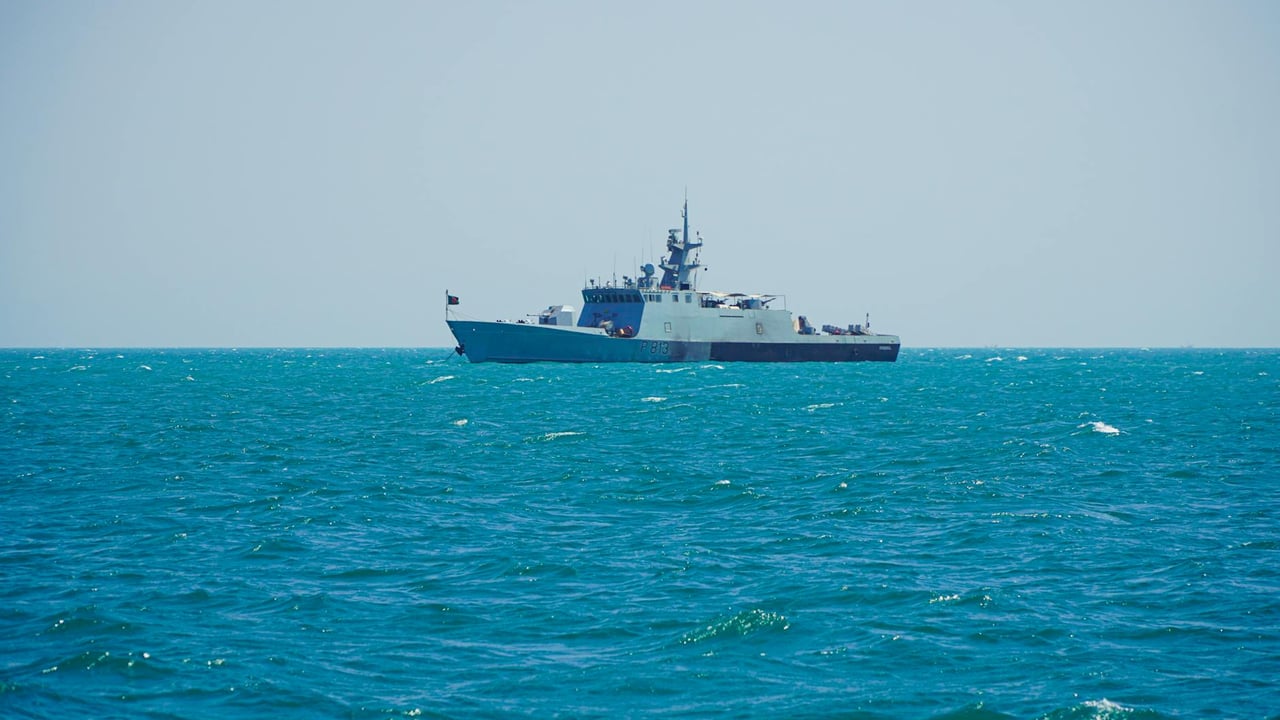

The recent strike on a Chinese refined oil tanker at the mouth of the Strait of Hormuz marks a pivotal moment in the erosion of traditional maritime security. While the attack resulted in deck fires and immediate tactical alarm, its true significance lies in the perceived failure of Western protection frameworks to secure the world’s most critical energy chokepoint.
Following the incident, the swift collapse of the U.S.-led 'Freedom Plan' has signaled to the international shipping community that Washington’s naval umbrella is no longer a guarantee of safety. Iran’s shift toward asymmetric 'mosquito fleet' tactics—utilizing fast-attack craft and suicide drones—has rendered conventional naval escorts increasingly obsolete in the narrow, congested waters of the Gulf.
Beyond the physical threat, a financial crisis is emerging as international maritime insurers withdraw 'war risk' coverage or demand premiums that have surged tenfold. This fiscal retreat by Western institutions has created a vacuum that Chinese financial entities, led by the China P&I Club, are now moving to fill with unprecedented speed.
By providing sovereign-backed insurance and risk-hedging mechanisms when international markets falter, Beijing is not merely protecting its own fleet but is establishing itself as a vital alternative for global shipowners. This shift in maritime finance allows China to move from a passive stakeholder to an active architect of regional通航 (navigation) rules.
Furthermore, China’s internal energy resilience, bolstered by massive strategic stockpiles and overland pipelines from Russia and Central Asia, allows it to weather these disruptions better than its peers. This strategic depth provides the leverage necessary to negotiate new, multilateral security arrangements with regional powers, independent of Western-led initiatives.