Matching Minds and Markets: Guangzhou’s New Exchange Aims to Commercialize the 'Last Mile' of AI

Guangzhou's Haizhu District has launched an AI scene transaction platform to match technology providers with specific industrial demands. The initiative aims to accelerate the commercialization of AI by commodifying real-world use-cases, targeting 400 orders and 1,500 participating firms by the end of the year.

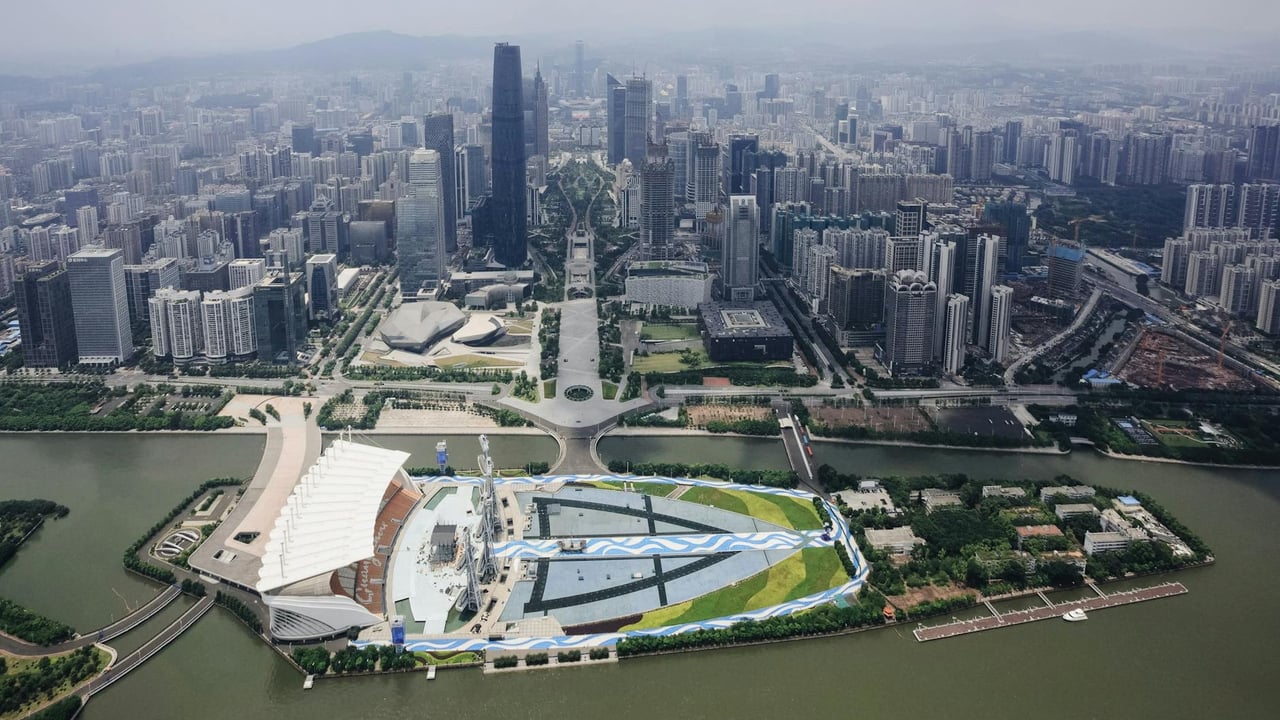
Aerial view of Guangzhou cityscape with towering skyscrapers and urban landscape.

Key Takeaways

  • 1Haizhu District launched the AI Scene Transaction Platform to connect national supply and demand for AI services.
  • 2The first batch of 49 'scene orders' involves an intended transaction volume of over 13 million yuan.
  • 3The platform includes specialized functions for nationwide opportunities, investment leads, and high-impact 'super scenes.'
  • 4Government targets include reaching 400 listed orders and 1,500 resident AI companies by the end of 2026.

Editor's
Desk

Strategic Analysis

This initiative represents a pivotal evolution in China's industrial policy, moving away from simple R&D subsidies toward the creation of a 'demand-side' market for innovation. By formalizing the trade of 'scenes'—specific business problems that require AI solutions—Guangzhou is addressing the 'last mile' problem that has plagued the commercialization of large-scale models. This approach recognizes that the value of AI in the current era lies not in general capability, but in specific, vertical application. For global observers, this illustrates how Chinese local governments are leveraging their administrative capacity to build structured data and demand ecosystems that could give domestic AI firms a competitive edge in industrial deployment over their Western counterparts.

China Daily Brief Editorial
Strategic Insight
China Daily Brief

Guangzhou’s Haizhu District has officially launched a first-of-its-kind artificial intelligence scene transaction platform, signaling a shift in how Chinese local governments are attempting to foster high-tech ecosystems. By treating industrial use-cases as tradeable 'orders,' the platform seeks to solve the chronic disconnect between AI developers and the specific, often fragmented needs of the real economy.

The initial rollout on May 9th featured 49 specific scene orders with an estimated transaction value exceeding 13 million yuan. This digital marketplace acts as a sophisticated matchmaker, categorizing opportunities into nationwide scene orders, investment leads, and 'super scenes' that represent high-impact industrial applications. This move reflects a broader national strategy to transition from theoretical AI research to the 'AI Plus' model of deep industrial integration.

By centralizing demand, the Haizhu District government is attempting to lower the barrier to entry for small and medium-sized enterprises (SMEs) that lack the technical expertise to procure AI solutions independently. For AI startups, the platform provides a clear roadmap for commercialization, offering a steady stream of verified demand that reduces the risk of developing products in a vacuum.

Ambitious targets have been set for the remainder of the year, with local authorities expecting to list over 400 orders and attract more than 1,500 AI-related enterprises to the platform. If successful, this model could serve as a blueprint for other Chinese tech hubs, turning administrative districts into active facilitators of digital commodity exchange rather than mere providers of tax incentives.

Share Article

Related Articles

📰
No related articles found