The Suitcase Wall: How Unattended Luggage Became a Symbol of Chinese Social Governance

Unattended 'suitcase walls' in Chinese subways have become a viral sensation, endorsed by the Foreign Ministry as a sign of national safety. The phenomenon highlights a unique blend of high social trust, pervasive surveillance, and responsive urban management during peak travel seasons.

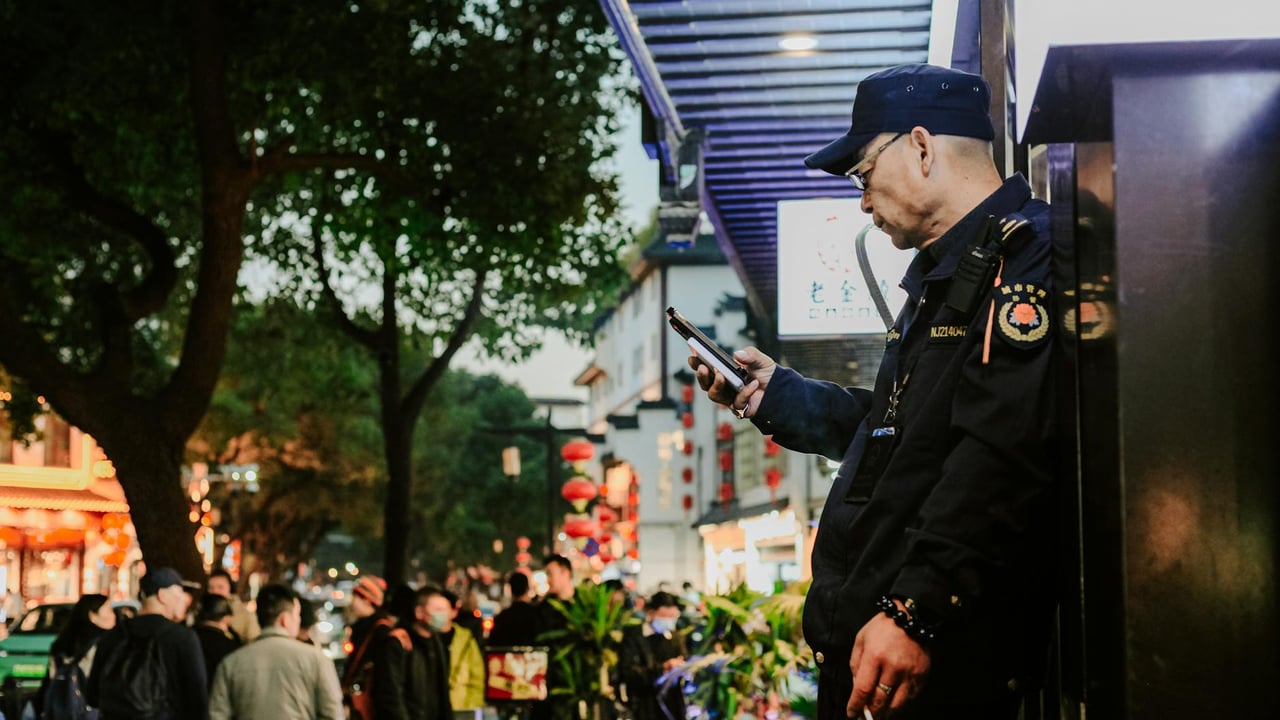
A street guard stands focused on his phone amid the bustling night streets of Nanjing, China.

Key Takeaways

  • 1Tourists in major Chinese cities are leaving luggage unattended in subway stations to travel 'light' during holidays.
  • 2Foreign Ministry spokesperson Mao Ning promoted the trend on social media to highlight China's safety credentials.
  • 3The practice has transitioned from spontaneous behavior to a managed service with fences, CCTV monitoring, and police patrols.
  • 4State media uses the phenomenon to contrast China's low crime rates with security issues in other global regions.
  • 5Urban planners are now looking to institutionalize these temporary luggage zones into permanent public amenities.

Editor's
Desk

Strategic Analysis

The 'suitcase wall' phenomenon is a fascinating case study in how China utilizes 'bottom-up' social trends to reinforce 'top-down' political narratives. While the primary driver for travelers is convenience, the state’s rapid adoption and promotion of this trend serve to validate its governance model, which prioritizes social order and collective security. This 'Chinese-style safety' is not merely a product of cultural integrity, but a sophisticated synthesis of high-density surveillance (the digital panopticon) and an extremely responsive, labor-intensive urban management system. For a global audience, the images are striking because they represent a level of public order that is increasingly rare in many Western urban centers, even if that order is maintained by an infrastructure of total visibility that might raise privacy concerns elsewhere.

China Daily Brief Editorial
Strategic Insight
China Daily Brief

During the recent 'May Day' holiday, an unusual sight at Wuhan's Liyuan Metro Station captured the attention of both domestic travelers and international observers. Hundreds of tourists left their suitcases unattended, lined up neatly against the station walls, to explore the city without the burden of heavy luggage. This phenomenon, which has spread to subways in Changsha, Nanjing, and Foshan, was recently highlighted by Foreign Ministry spokesperson Mao Ning as a testament to 'Chinese-style safety.'

While the sight of dozens of unguarded bags might trigger anxiety in many global metropolises, in China, it is being framed as a triumph of high social trust and efficient urban management. The 'luggage walls' have evolved from spontaneous acts of traveler convenience into organized zones managed by local authorities. Metro staff now deploy retractable barriers to define storage areas, while police and security personnel conduct regular patrols to ensure the stacks remain orderly and secure.

This shift from organic trust to institutionalized oversight is supported by a robust infrastructure of public surveillance. Most of these makeshift storage areas are situated directly under high-definition CCTV cameras, and local police have used social media to remind travelers to keep valuables on their person while leaving the bulk of their belongings behind. It is this combination of civic consciousness and a high-tech security net that underpins the narrative of a low-crime environment.

For the Chinese government, these suitcase walls serve as a potent soft-power tool to contrast domestic stability with perceptions of rising urban crime in the West. By amplifying these videos on global platforms, Beijing aims to showcase a 'real, vivid, and warm' China where citizens feel secure at any hour. The transition from an accidental 'feel-good' story to a standardized public service reflects a broader trend in Chinese city management where grassroots needs are rapidly integrated into official governance structures.

Share Article

Related Articles

📰
No related articles found