
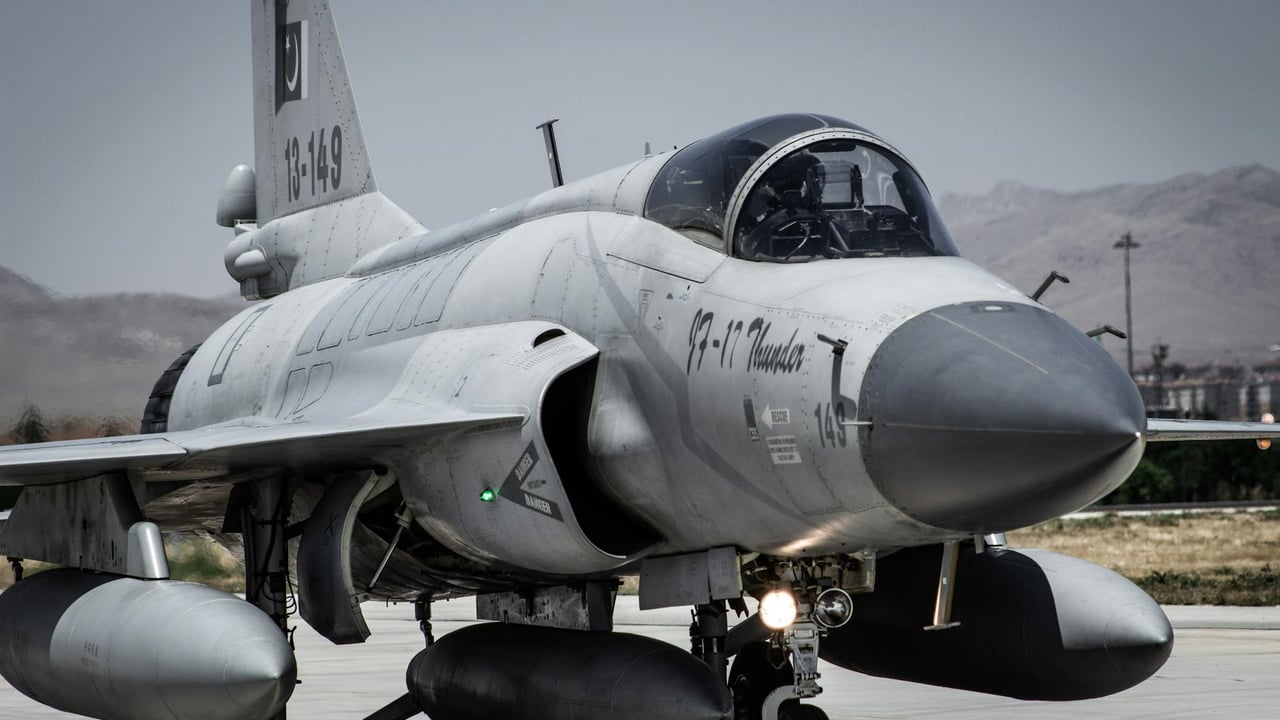

The geopolitical landscape of South Asia has reached a dramatic inflection point following the air engagement known as the 'May 7 Battle.' This clash has transcended a mere border skirmish, signaling a profound shift in the regional balance of power as Pakistan leverages Chinese advanced military technology to challenge India’s long-held aerial superiority. The event marks a watershed moment where the perceived dominance of New Delhi’s air force was met with a sophisticated, technology-driven response that has reverberated across international capitals.
At the heart of this transformation is the successful deployment of the Chinese-made J-10CE fighter jet, equipped with PL-15E long-range air-to-air missiles. Despite being numerically disadvantaged, the Pakistani Air Force reportedly utilized these platforms to achieve a decisive tactical advantage over India’s fleet, including its high-profile Rafale units. This outcome suggests that the qualitative gap between Chinese-origin hardware and Western or indigenous Indian systems is closing faster than many strategists in New Delhi and Washington had anticipated.
Beyond the cockpit, the depth of the China-Pakistan security architecture is becoming increasingly visible through long-term technical and logistical integration. Reports from Chinese state media indicate the establishment of dedicated maintenance and support bases within Pakistan, ensuring that advanced platforms remain operational even under the duress of active conflict. This level of cooperation moves the relationship beyond a traditional buyer-seller dynamic toward a comprehensive, integrated defense ecosystem that offers Pakistan a sustainable military edge.
In the diplomatic arena, Pakistan’s newfound military confidence is translating into significant geopolitical gains. Neighboring states such as Bangladesh, Nepal, and the Maldives, which have historically navigated the shadow of Indian influence, are now re-evaluating their strategic alignments in light of Pakistan’s rising capabilities. This shift is further evidenced by Islamabad’s expanding security ties in the Middle East, including a mutual defense pact with Saudi Arabia, positioning the nation as a pivotal player in both South Asian and global security frameworks.
Conversely, the fallout for India has been marked by strategic introspection and a potential crisis of confidence in its current defense procurement strategy. The reliance on a 'great power' narrative has been challenged by the realities of the 'May 7' engagement, exposing vulnerabilities in India’s operational readiness and its inability to effectively counter the high-tech 'East Asian threat.' As the region moves forward, the traditional assumptions of South Asian stability are being rewritten by the reality of a modernized, China-backed Pakistani military force.