
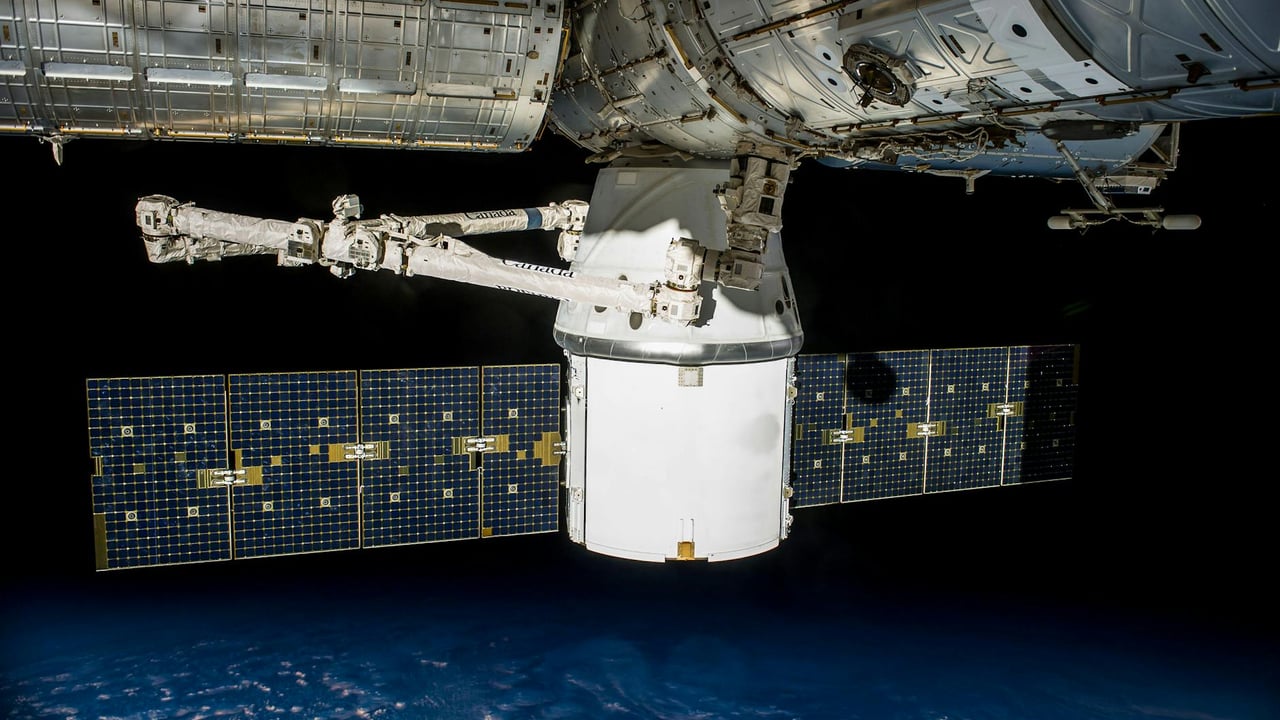

China successfully launched the Tianzhou-10 cargo spacecraft on May 11, 2026, from the Wenchang Space Launch Site in Hainan. Propelled by a Long March 7 Y11 carrier rocket, the mission took flight at precisely 08:13 Beijing Time, following a successful propellant fueling phase. This mission marks a critical logistical milestone in China’s ongoing effort to maintain a permanent human presence in low-Earth orbit.
The Tianzhou-10 is the latest iteration of China’s dedicated cargo vessel, designed specifically to resupply the Tiangong space station. It carries essential propellant, scientific equipment, and daily necessities for the taikonauts currently inhabiting the station. This launch follows the recent departure of its predecessor, Tianzhou-9, highlighting a streamlined and normalized orbital maintenance cycle that the China Manned Space Agency (CMSA) has perfected over the last several years.
The Wenchang site, China's only coastal launch facility, has become the centerpiece of the nation's space logistics. The use of the Long March 7 rocket—now a seasoned workhorse for cargo missions—demonstrates the reliability and standardization of the Tiangong supply chain. As the International Space Station (ISS) approaches its planned decommissioning, China’s ability to maintain a steady cadence of resupply missions underscores its growing role as a dominant player in orbital infrastructure.
Beyond simple logistics, the mission represents the broader institutionalization of China’s space program. By moving from a phase of rapid construction to one of stable, long-term operation, Beijing is signaling to the global community that its orbital outpost is open for business and international collaboration. This operational maturity is a prerequisite for the more ambitious lunar and deep-space missions China plans for the late 2020s.