
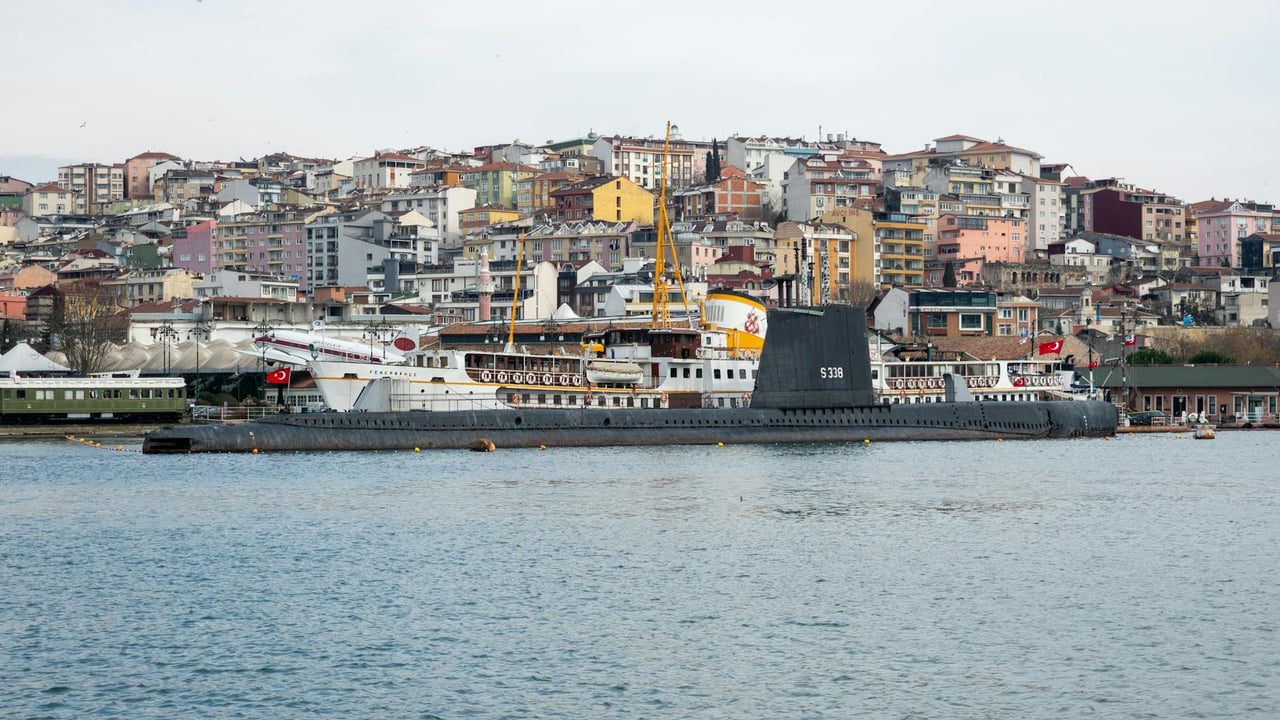

Tehran has signaled a new phase in its maritime posture, revealing that its domestically produced light submarines are maintaining a state of high alert within the volatile Strait of Hormuz. Iranian Navy Commander Shahram Irani recently confirmed that these vessels are engaged in 'silent lurking' missions, designed to track and, if necessary, neutralize hostile naval assets. This disclosure marks the first time since the onset of recent regional hostilities that the Islamic Republic has publicly detailed the specific tactical roles of its subsurface fleet in the Persian Gulf.
The deployment of these midget submarines represents a calculated shift toward asymmetric naval warfare in one of the world's most critical energy chokepoints. Unlike larger traditional submarines, these light vessels are optimized for the shallow, noisy waters of the Strait, where they can evade sophisticated sonar detection systems more effectively. By surfacing for formation maneuvers before disappearing back into the depths, Tehran is sending a clear visual and strategic message to its adversaries about its persistence and area-denial capabilities.
The timing of this announcement is significant, coming at a moment when global energy security remains hypersensitive to any disruption in the Gulf. The Iranian military leadership has coupled these technical disclosures with sharp rhetoric, asserting that the 'initiative' in the region lies firmly with Tehran. A senior military spokesperson emphasized that any external action against Iranian interests would meet a 'resolute and decisive' response, suggesting a low threshold for escalation if perceived threats materialize.
For international observers, the move underscores the evolving sophistication of Iran’s indigenous defense industry. Despite years of sanctions, the transition from purchasing foreign hardware to deploying home-grown stealth assets indicates a growing self-sufficiency in maritime technology. As these silent sentries continue their patrols, the risk of miscalculation in the narrow shipping lanes of Hormuz remains a primary concern for global trade and regional stability.