
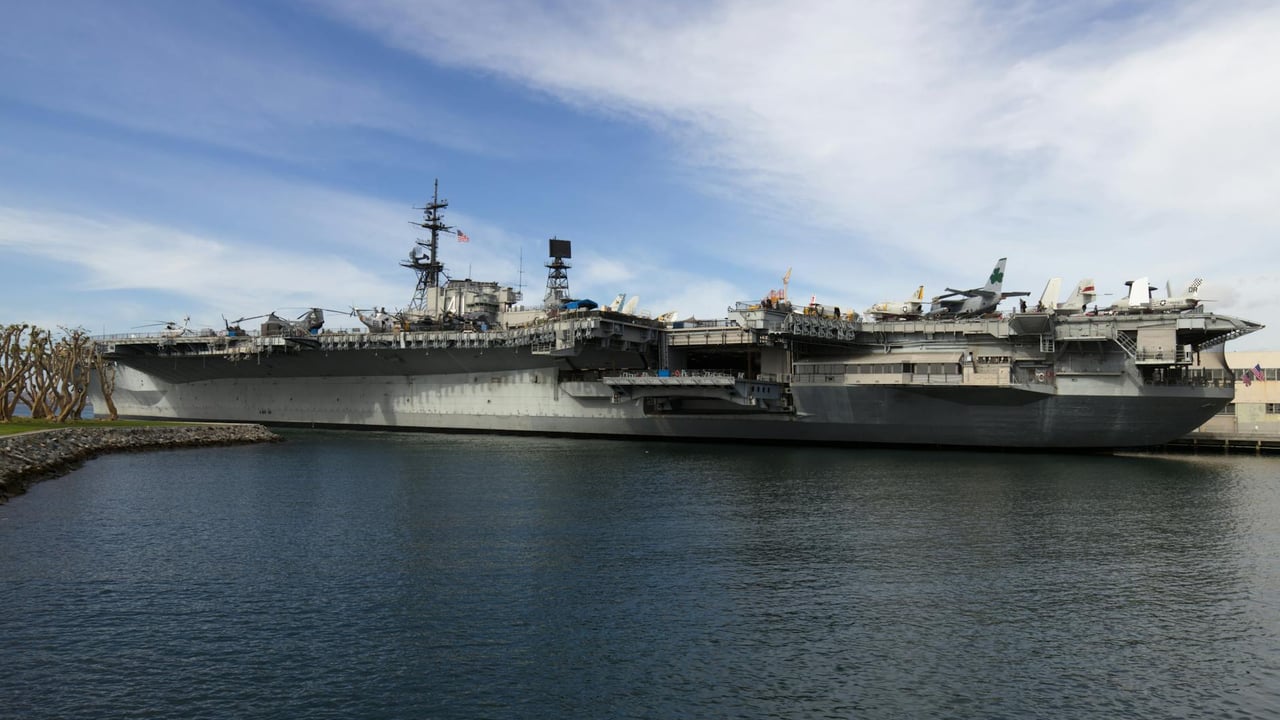

The USS George Washington’s departure from Yokosuka on May 10 marks a pivotal moment in the U.S. Navy’s rotational presence in the Western Pacific. Following an intensive five-month maintenance period, the nuclear-powered aircraft carrier transitioned from port to open waters, signaling its readiness to resume high-stakes patrols. This movement is not merely a routine shift in logistics but a demonstration of sustained American commitment to its most critical forward-operating base in Asia.
Having returned to Japan in late 2024 to succeed the USS Ronald Reagan, the George Washington serves as the centerpiece of the U.S. Seventh Fleet’s strike power. Its presence in Yokosuka provides the Pentagon with a rapid-response capability that is essential for monitoring the Taiwan Strait and the South China Sea. The current sea trials follow a period of technical overhauls and localized maintenance designed to ensure the vessel can withstand the rigors of long-term deployment in contested waters.
The timing of the carrier’s return to active status coincides with heightened regional anxieties over maritime territorial disputes and the shifting balance of naval power. By maintaining a nuclear-powered carrier permanently stationed in Japan, the United States seeks to offset the rapid expansion of the People's Liberation Army Navy. For Tokyo, the sight of the George Washington's hull clearing the breakwaters offers a tangible reassurance of the bilateral security alliance.
As the carrier enters its sea trial phase, the U.S. Navy will test integrated systems and flight deck operations to certify the ship for its next operational cycle. This phase is critical for the crew to regain proficiency after months of pier-side maintenance. The successful transition back to sea ensures that the U.S. maintains a constant carrier presence in the Indo-Pacific, a cornerstone of the 'Free and Open Indo-Pacific' strategy.