
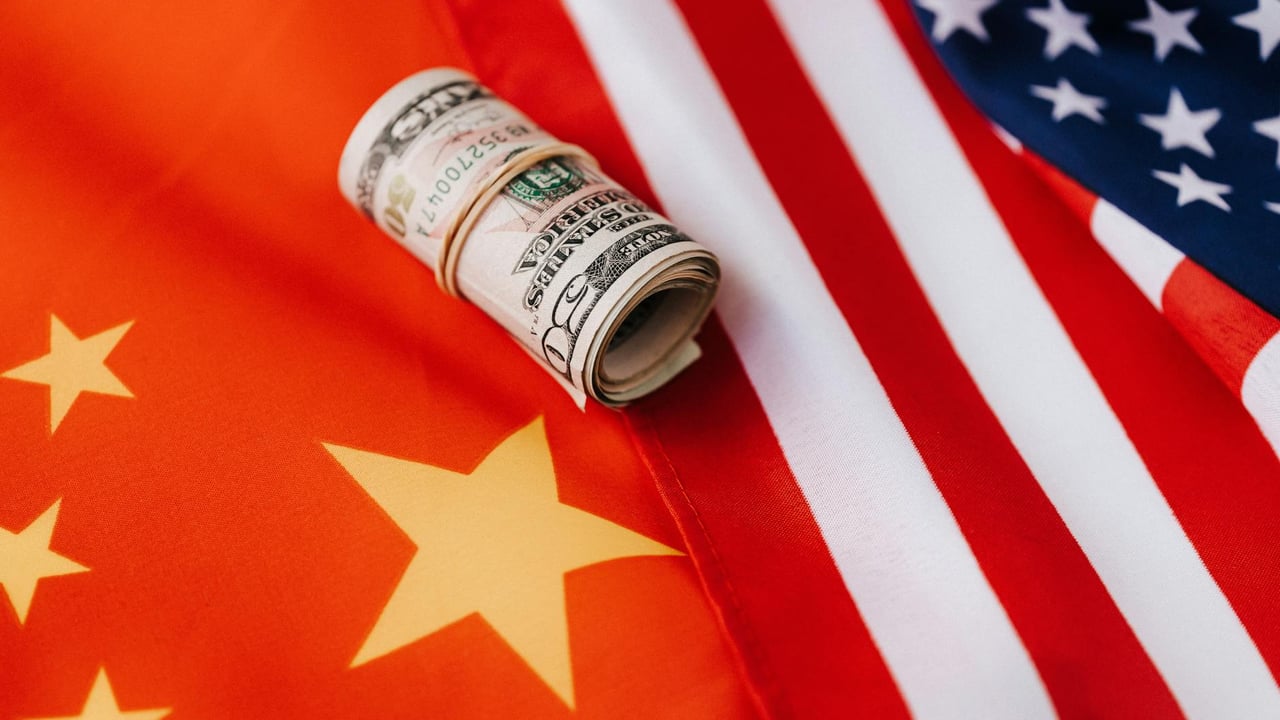

The Chinese Ministry of Foreign Affairs has confirmed that U.S. President Donald Trump will embark on a state visit to China from May 13 to 15, following a formal invitation from President Xi Jinping. This high-profile diplomatic mission comes at a precarious juncture in global affairs, characterized by intensifying friction over maritime security and industrial policy. The state visit designation indicates that Beijing is prepared to offer the highest level of diplomatic protocol, signaling a mutual desire to stabilize a relationship that has been increasingly defined by competition rather than cooperation.
While the official agenda remains broad, the backdrop of the visit is crowded with urgent geopolitical flashpoints. Recent incidents in the Strait of Hormuz involving attacks on vessels and a significant U.S. naval buildup near Iran have placed immense pressure on global energy markets. Beijing, a major importer of Iranian oil and a proponent of regional stability, likely views this summit as a critical venue to prevent a broader escalation that could derail the global economy. For the Trump administration, the visit offers a chance to negotiate from a position of perceived strength as it continues to push 'Buy American' mandates.
Economic tensions are expected to dominate the closed-door sessions. The recent listing of Chinese firms in global artificial intelligence rankings has underscored the accelerating technological rivalry between the two superpowers. Simultaneously, the U.S. continues to express frustration over trade imbalances and the perceived stagnation of market access. This summit follows a series of divergent signals from Washington, ranging from calls for industrial decoupling to sporadic efforts at diplomatic engagement, leaving the international community searching for a clear trajectory for the world's most consequential bilateral relationship.
Security issues regarding the Taiwan Strait and regional arms sales also loom large over the proceedings. Reports of shrinking defense procurement programs in Taipei have drawn sharp reactions from U.S. officials, while Beijing remains steadfast in its opposition to any external military involvement in the region. As both leaders prepare to meet in the capital, the challenge will be to find a 'floor' for the relationship that prevents these localized frictions from spiraling into a systemic conflict.