
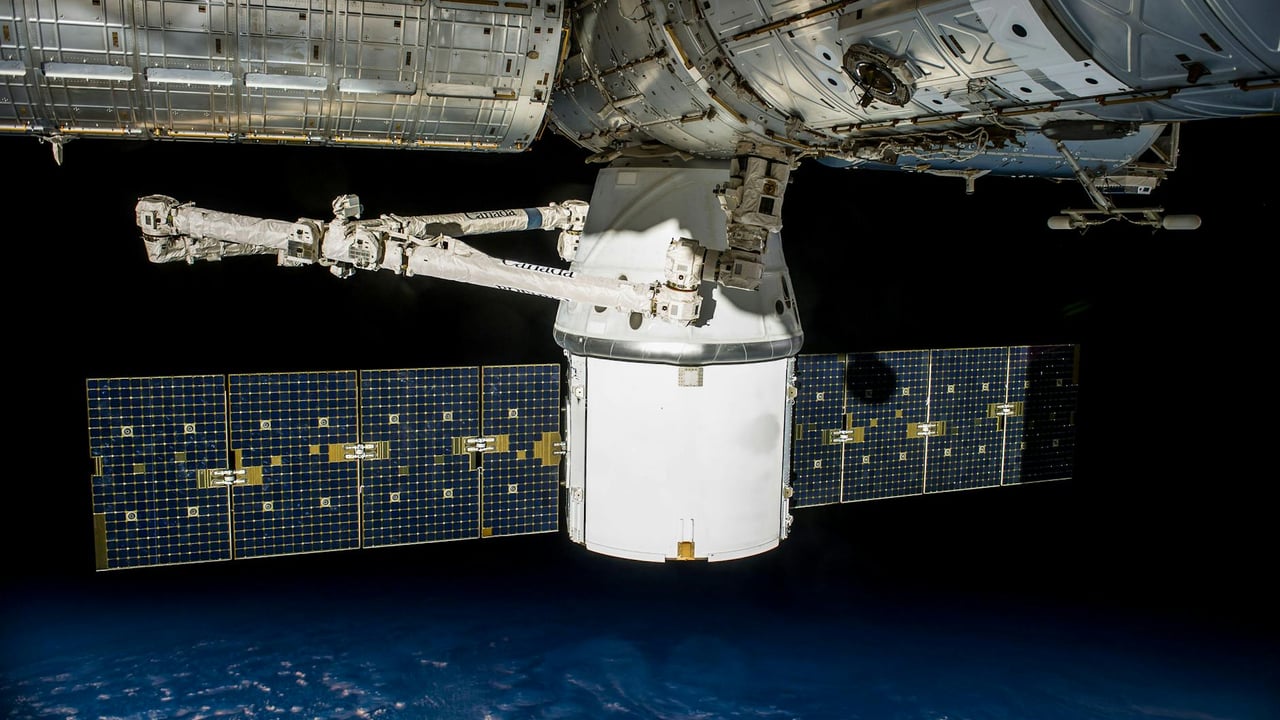

The successful launch and docking of the Tianzhou-10 cargo spacecraft represents more than a routine resupply of the Tiangong space station. In the broader arc of China’s space ambitions, this mission underscores the transition from experimental milestones to a mature, high-frequency logistics pipeline. The mission, launched from the Wenchang Spacecraft Launch Site, ensures that the three-person crew aboard the station remains equipped for long-term residency and sophisticated scientific experimentation.
This operational reliability is fueling a surge in the domestic commercial space sector, with related entities like China Satellite reporting revenue growth of nearly 40 percent. Beijing is framing 2026 as the 'Year One' of commercial space, attempting to replicate the market-driven dynamism seen in the Western aerospace industry. This shift from state-led prestige projects to a sustainable commercial ecosystem suggests that China’s presence in low Earth orbit is becoming an economic as well as a political fixture.
The domestic response to the launch also highlights the growing soft power of the Chinese space program. Thousands of spectators, including families traveling from as far as Beijing, descended upon Hainan to witness the launch, reflecting a level of national engagement previously reserved for major military parades. This public enthusiasm provides the political capital necessary for continued high-expenditure ventures in deep space and lunar exploration.
Technologically, the success of the Tianzhou series is inextricably linked to broader advancements in Chinese aerospace. The same precision engineering and propulsion breakthroughs enabling these orbital rendezvous are currently being applied to high-stakes defense projects, such as the J-35 stealth fighter and the WS-19 engine. By mastering the complexities of automated docking and heavy-lift logistics, China is signaling its ability to sustain a permanent, multi-module presence in the high ground of space regardless of geopolitical pressures.