
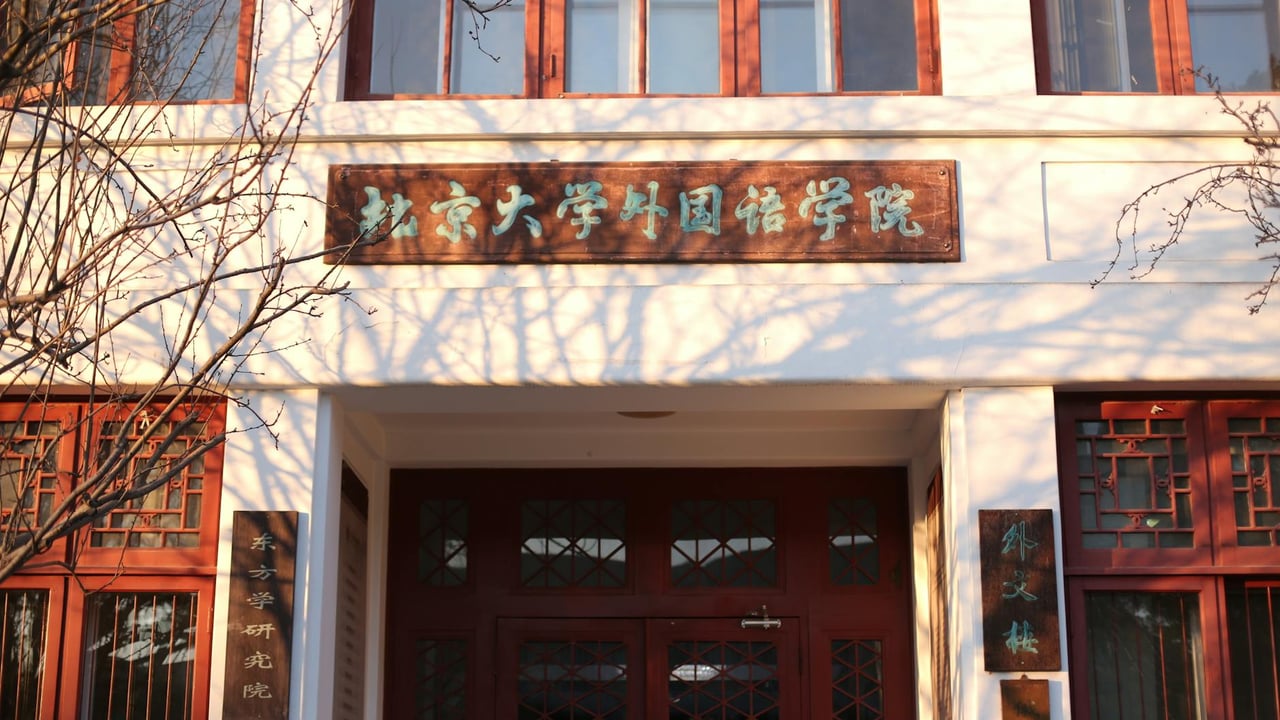

A group of 70 Chinese government-sponsored students arrived in Pyongyang on May 9, 2026, marking the third and largest cohort of scholars sent to North Korea since the country’s post-pandemic reopening. These students, hailing from 16 Chinese universities, will begin their academic terms at North Korea's most prestigious institutions, including Kim Il Sung University and Kim Hyong Jik University of Education.
The arrival of this group signifies a steady and deliberate expansion of educational diplomacy between the two neighbors. In 2024, the first batch of just 41 students marked the resumption of exchange programs that had been frozen during the COVID-19 pandemic. By 2025, that number grew to 62, and the current 2026 intake of 70 students confirms an upward trend in bilateral human capital investment.
This educational surge is not happening in a vacuum but is a direct byproduct of a broader diplomatic thaw. Relations between Beijing and Pyongyang have intensified over the past year, highlighted by Kim Jong Un’s attendance at the September 2025 military parade in Beijing and a reciprocal visit by Chinese Premier Li Qiang to Pyongyang. These high-level optics provided the political cover necessary to restart critical infrastructure and cultural pipelines.
Further cementing this normalization is the restoration of the cross-border train service in March 2026, which had been suspended for six years. Shortly thereafter, Chinese Foreign Minister Wang Yi’s April visit to Pyongyang further cleared the path for institutional cooperation. By placing its students in the heart of the North Korean academic elite, Beijing is ensuring that its next generation of diplomats and regional specialists has firsthand experience with the reclusive state's inner workings.