China’s 'Golden Railway' Tests Market Resilience with 20% Fare Increase

The operator of the Beijing-Shanghai High-Speed Railway is raising its fare ceiling by 20%, introducing a more flexible, market-oriented pricing model. This change aims to optimize efficiency and revenue on China's busiest rail corridor while signaling a broader shift in how state-linked infrastructure manages commercial viability.

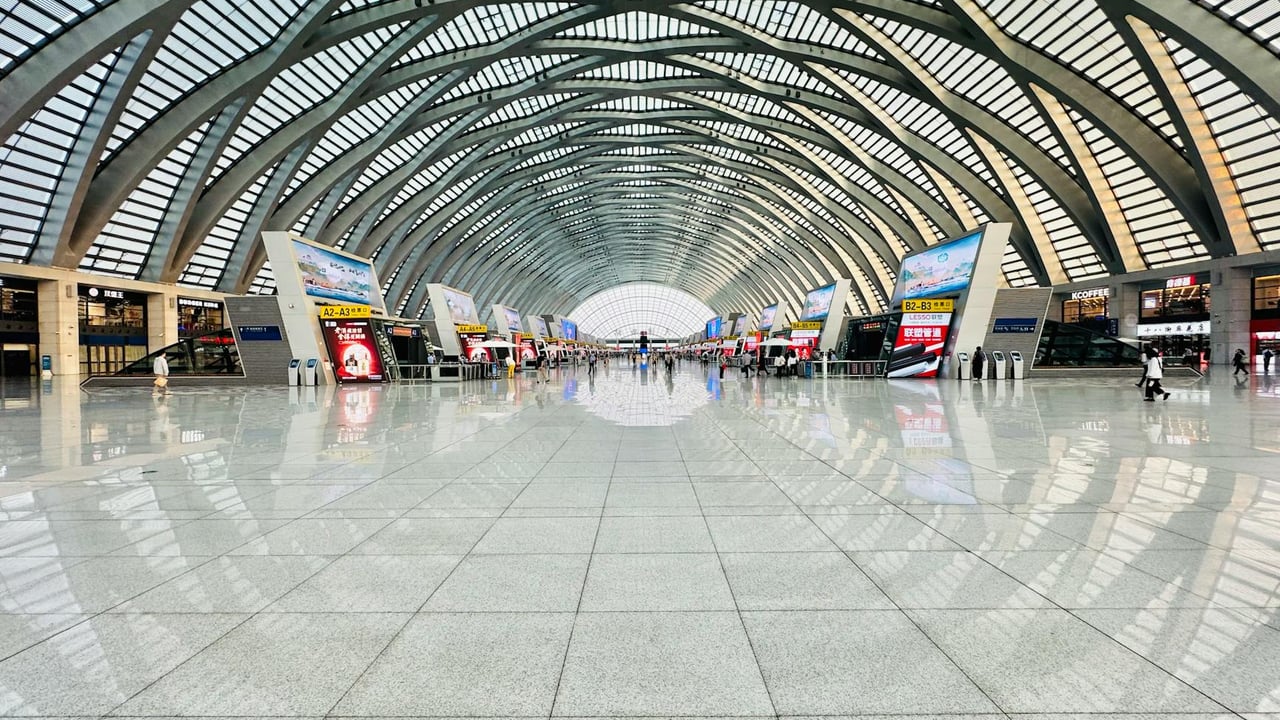
Panoramic view of a spacious and modern high-speed railway station interior with architectural elegance.

Key Takeaways

  • 1Published ticket prices for the Beijing-Shanghai and Hefei-Bengbu lines will increase by up to 20%.
  • 2The new rates apply to multiple speed categories, including the high-demand 300-350km/h services.
  • 3A dynamic pricing model will be used, where the new published price acts as a ceiling for various discounts.
  • 4The adjustment is intended to improve resource allocation and service quality through market-based mechanisms.

Editor's
Desk

Strategic Analysis

This fare adjustment marks a critical milestone in the commercialization of China’s high-speed rail network. For years, the central government has kept ticket prices relatively low to encourage mass mobility and economic integration, even as debt at China State Railway Group ballooned. By allowing the highly profitable Beijing-Shanghai line to lead with a 20% hike, Beijing is testing the public's willingness to pay a premium for speed and convenience. If ridership remains stable despite the higher ceiling, it will provide a roadmap for other debt-laden lines to move away from rigid, state-mandated pricing toward a more sustainable, demand-driven financial model. However, the 'uncertainty' noted by the company suggests a fear of potential passenger backlash or a shift back to domestic aviation if the price gap narrows too significantly.

China Daily Brief Editorial
Strategic Insight
China Daily Brief

Beijing-Shanghai High-Speed Railway Co. Ltd. (601816.SH) has announced a significant recalibration of its pricing strategy, signaling a shift toward more aggressive market-based mechanisms for China's most profitable transit corridor. The company revealed that published fare caps for bullet trains on the Beijing-Shanghai and Hefei-Bengbu lines will rise by 20% across multiple speed tiers, including the flagship 300-350km/h services.

This move represents a strategic pivot for a sector that has long balanced its role as a public utility with the need for commercial sustainability. Under the new framework, the increased published prices will serve as a maximum ceiling, allowing operators to implement a dynamic 'discount' model. This approach enables the railway to charge premium rates during peak travel periods while offering lower fares during off-peak hours to maximize seat occupancy.

The Beijing-Shanghai corridor, often dubbed the 'Golden Railway,' is the crown jewel of China’s 45,000-kilometer high-speed network. Unlike most lines that struggle with massive debt and low ridership, this route connects the nation’s two primary economic engines and consistently generates substantial profits. By introducing more flexibility, the operator aims to better segment its passenger base and improve the efficiency of ticket resource allocation.

While the company expects the adjustment to refine its market-oriented pricing mechanism, it remains cautious about the immediate impact on financial performance. The decision comes at a delicate time as China’s broader rail network faces mounting pressure to service trillions in debt. The success of this pricing experiment will likely determine whether similar market-driven reforms are rolled out across other major high-speed lines in the coming years.

Share Article

Related Articles

📰
No related articles found