
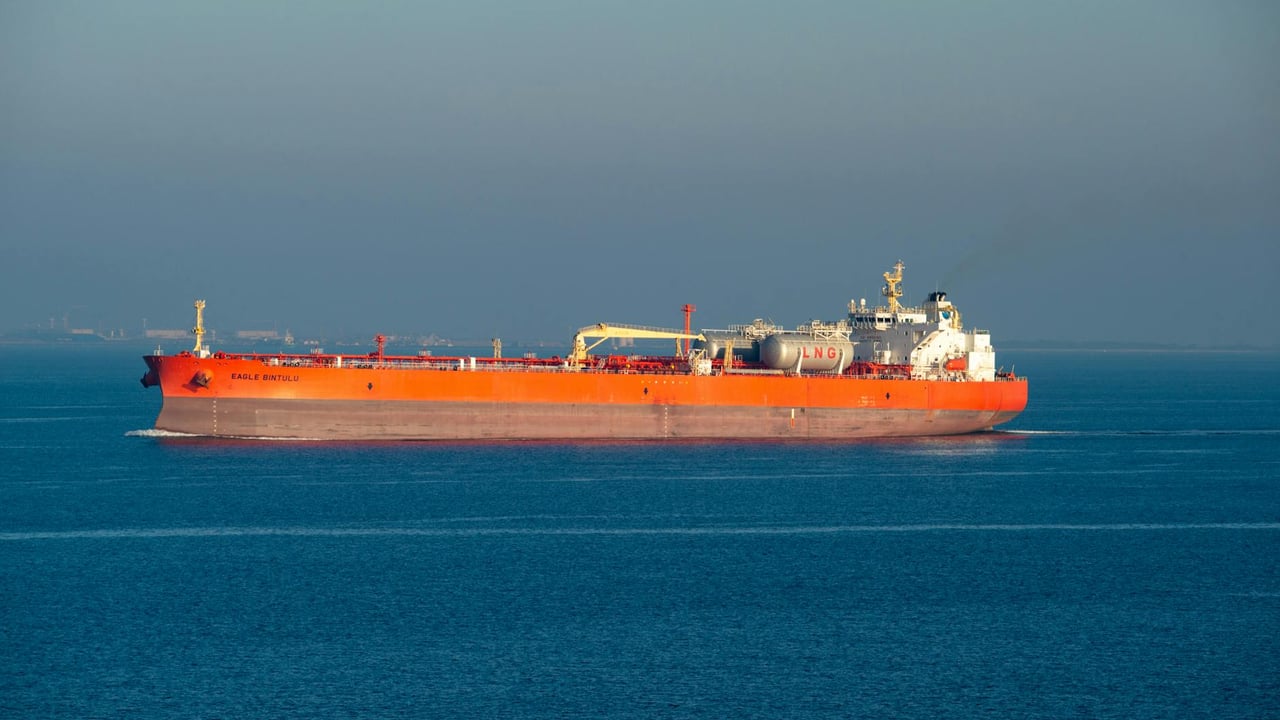

A high-stakes geopolitical drama is unfolding in the narrow waters of the Strait of Hormuz as the United Kingdom and France prepare to lead a coalition of over 40 nations in a new maritime security initiative. This defense-ministerial level mobilization aims to deploy a robust European-led naval mission focused on minesweeping, escort duties, and aerial patrols. The primary objective is to restore commercial shipping confidence in a waterway that serves as the global economy's most sensitive energy artery.
Tehran has responded with predictable but potent vitriol, with Deputy Foreign Minister Gharibabadi declaring the deployment a provocative "militarization" of the region. Iran maintains that it alone is the guarantor of the strait’s security and has explicitly warned that any unauthorized foreign military presence will be met with a proportional military response. This rhetoric underscores the strait's status as Tehran’s ultimate strategic asset in its long-standing standoff with the West.
The tension is not merely rhetorical; it is a calculated contest over sovereign control and maritime leverage. For Iran, the ability to bottleneck the strait represents its most effective tool for asymmetric deterrence against Western economic sanctions. Losing practical control over these waters would effectively disarm Tehran of its most significant geopolitical bargaining chip, making a climbdown highly unlikely even in the face of a 40-nation coalition.
From a legal and tactical perspective, the mission walks a perilous line. Without a clear United Nations Security Council mandate, the systematic deployment of minesweepers and warships into these contested waters is legally contentious and operationally explosive. In the claustrophobic confines of the Persian Gulf, the margin for error is razor-thin, and a single tactical miscalculation by either a European commander or an Iranian Revolutionary Guard captain could ignite a broader regional conflagration.
France, in particular, is attempting a sophisticated diplomatic balancing act to mitigate these risks. While the aircraft carrier Charles de Gaulle is already positioned in the region, President Emmanuel Macron has been careful to frame the mission as defensive and collaborative rather than unilateral. By emphasizing potential "coordination" with Tehran, Paris is attempting to act as an offshore balancer—projecting power while keeping diplomatic channels open to avoid becoming a primary target for Iranian retaliation.
Ultimately, this European surge reflects a deeper strategic shift toward "strategic autonomy." By organizing such a massive coalition independently of direct U.S. leadership, the UK and France are attempting to prove that Europe can safeguard its own energy lifelines and project hard power in the Middle East. It is a gamble intended to secure a seat at the table for whatever new regional order emerges, ensuring that European interests are not sidelined by the shifting dynamics of U.S.-Iran relations.