The Transactional Reset: Beijing Prepares the Red Carpet for Trump’s 2026 Return

China's Ministry of Foreign Affairs has announced the formal arrangements for U.S. President Donald Trump's upcoming state visit in May 2026. The visit is expected to focus on trade stability and high-level strategic communication during a period of intense global competition.

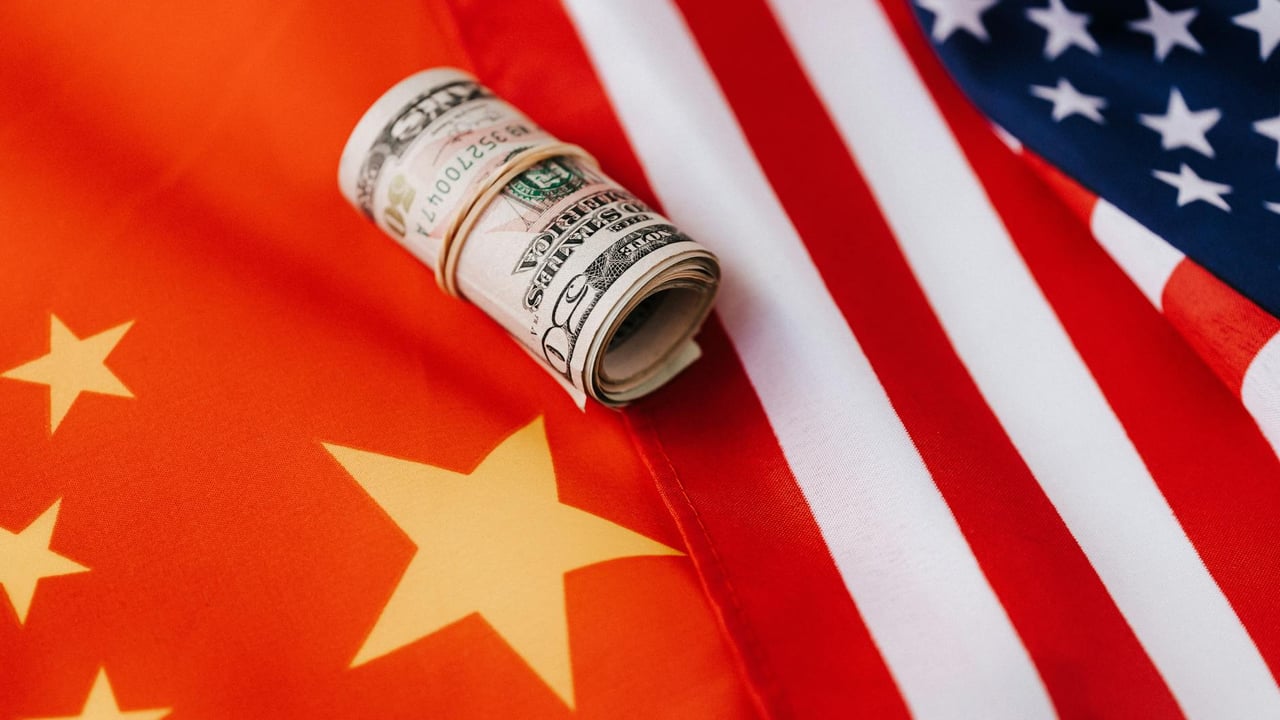
From above of roll of dollar bills tied with rubber band on bright American flag with stars and stripes symbolizing unity and peace

Key Takeaways

  • 1Official confirmation of President Trump's state visit to China in May 2026.
  • 2Beijing is prioritizing personal diplomacy to manage the transactional nature of the second Trump administration.
  • 3Primary discussion topics include trade tariffs, technology restrictions, and regional security concerns.
  • 4The Chinese MFA emphasizes 'mutual respect' and 'win-win cooperation' as the framework for the summit.
  • 5The visit represents a major diplomatic effort to stabilize global markets and prevent economic decoupling.

Editor's
Desk

Strategic Analysis

The 2026 visit is less about a final resolution of grievances and more about 'regime maintenance' for the bilateral relationship. Beijing has learned that Trump values the optics of a 'grand deal,' and they will likely offer symbolic market openings or agricultural purchases in exchange for a cooling of rhetoric on sensitive security issues. The strategic context here is 'stability at any cost' for China, as they face domestic economic headwinds and seek to avoid a two-front struggle involving both trade wars and tech containment. The success of this summit depends entirely on whether Trump’s preference for bilateral deal-making can overcome the structural 'Cold War' consensus now embedded in the Washington establishment.

China Daily Brief Editorial
Strategic Insight
China Daily Brief

President Donald Trump is slated to return to Beijing in May 2026, marking a pivotal moment in his second administration's approach to the Asia-Pacific. The Chinese Ministry of Foreign Affairs has begun coordinating a high-profile reception, signaling a mutual desire to stabilize a relationship often characterized by strategic competition and economic friction.

This visit arrives at a time when the world's two largest economies remain deeply entangled yet strategically estranged. Beijing’s emphasis on "mutual respect" serves as a traditional diplomatic prerequisite, but the underlying agenda will likely focus on tangible concessions regarding trade tariffs and high-tech export controls. For the Chinese leadership, the goal is to manage Trump’s transactional diplomacy while safeguarding what they term "core interests," particularly regarding regional security and the status of Taiwan.

By reviving the grandeur of personal diplomacy, Beijing hopes to bypass bureaucratic hawks in Washington and appeal directly to the President’s preference for leader-to-leader deal-making. This strategy mirrors the 2017 "State Visit Plus" treatment, which utilized the Forbidden City to create an atmosphere of historical weight and personal rapport. However, the geopolitical landscape of 2026 is far more complex than that of Trump’s first term.

With heightened competition in artificial intelligence and a more assertive military posture in the South China Sea, both sides are walking a tightrope. They must project strength to their respective domestic audiences while preventing a full-scale economic decoupling that would destabilize global markets. This May summit will be the ultimate test of whether the world's most critical bilateral relationship can move toward a sustainable, if uneasy, equilibrium.

Share Article

Related Articles

📰
No related articles found