Explosion in Arak: A Domestic Incident or a Strategic Signal?

An explosion in the strategically significant city of Arak, Iran, has destroyed a residential building and prompted an urgent emergency response. The incident is drawing international attention due to the city's role in Iran's nuclear program and the history of sabotage in the region.

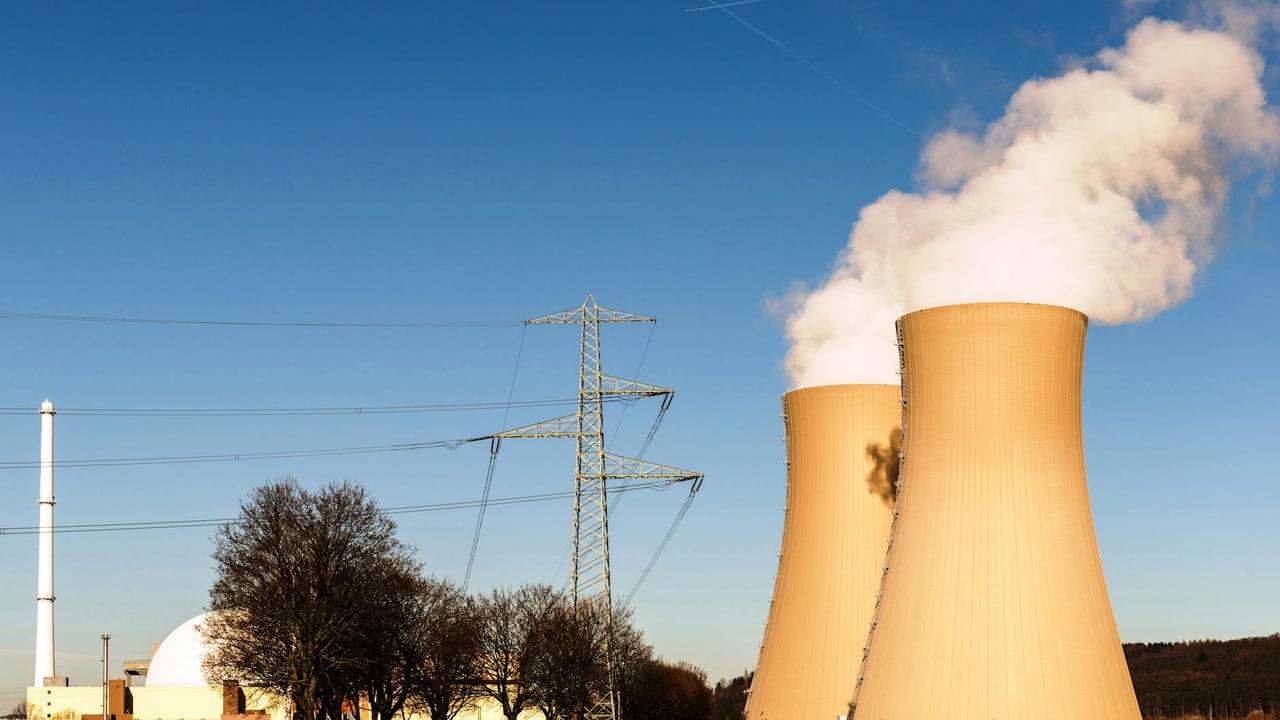
A nuclear power plant in Hameln, Germany, showcasing cooling towers and electricity pylons.

Key Takeaways

  • 1A powerful explosion occurred in Arak, Iran, on May 11, 2026, destroying a residential structure.
  • 2Emergency services are currently conducting search, rescue, and evacuation operations at the scene.
  • 3The cause of the blast remains unknown, with official investigations still in the preliminary stages.
  • 4Arak's status as a center for nuclear research heightens the geopolitical sensitivity of the event.

Editor's
Desk

Strategic Analysis

The explosion in Arak warrants close observation because of the city's strategic identity rather than the scale of the reported residential damage. In the landscape of Iranian security, Arak represents a 'hardened' target due to its heavy-water facilities. History suggests that when explosions occur near such nodes, they are rarely purely accidental; they often coincide with periods of heightened regional tension or shifts in nuclear diplomacy. If this blast is later revealed to have affected industrial supply chains or logistical routes for the nuclear program, it would point toward a sophisticated act of sabotage intended to delay Iranian technological progress without triggering an overt war.

China Daily Brief Editorial
Strategic Insight
China Daily Brief

An explosion rocked the central Iranian city of Arak on May 11, 2026, reportedly leveling a residential building and triggering a large-scale emergency response. While local authorities and state-aligned media outlets, including CCTV and Guangming Online, have focused on the immediate evacuation efforts, the lack of an identified cause has left observers questioning the nature of the blast.

Arak is not a typical provincial hub; it serves as a critical node in Iran’s nuclear and industrial infrastructure. The city is home to the Khondab heavy-water research reactor, a facility that has historically been a centerpiece of international negotiations and a point of friction between Tehran and the West. Any disruption in this vicinity, regardless of the reported target, is scrutinized for its proximity to these sensitive assets.

The timing of the incident adds a layer of complexity to the unfolding situation. In recent years, Iran has experienced a series of unexplained fires and explosions at industrial and military sites, many of which have been attributed to either deteriorating infrastructure or covert sabotage. This pattern has made it difficult for the international community to take official reports of 'gas leaks' or 'residential accidents' at face value.

As rescue teams continue to sift through the debris, the silence regarding casualties and the precise origin of the detonation remains notable. For a region already balanced on a geopolitical knife-edge, the ambiguity surrounding the Arak blast serves as a reminder of the fragility of the status quo and the potential for localized events to carry global implications.

Share Article

Related Articles

📰
No related articles found