

A high-stakes diplomatic chess match has reached a perilous impasse as Tehran formally submitted a 14-point response to a U.S.-led peace initiative. The proposal, which outlines a tiered roadmap to end regional hostilities, was met with swift condemnation by President Donald Trump, who branded the terms “completely unacceptable” only hours after their delivery. This rejection underscores a deepening chasm between the two nations over maritime security, economic sanctions, and the existential question of Iran’s nuclear stockpile.
Tehran’s plan envisions a three-stage transition toward a permanent ceasefire, anchored by a critical 30-day window to transform a temporary truce into a lasting peace. Central to the Iranian demands is a requirement for the United States to compensate the Islamic Republic for war-related damages and to simultaneously lift the maritime blockade in the Strait of Hormuz as Iran restores freedom of navigation. Furthermore, the plan insists on the unfreezing of Iranian assets and the total removal of restrictions on oil exports, positioning economic relief as the price for regional stability.
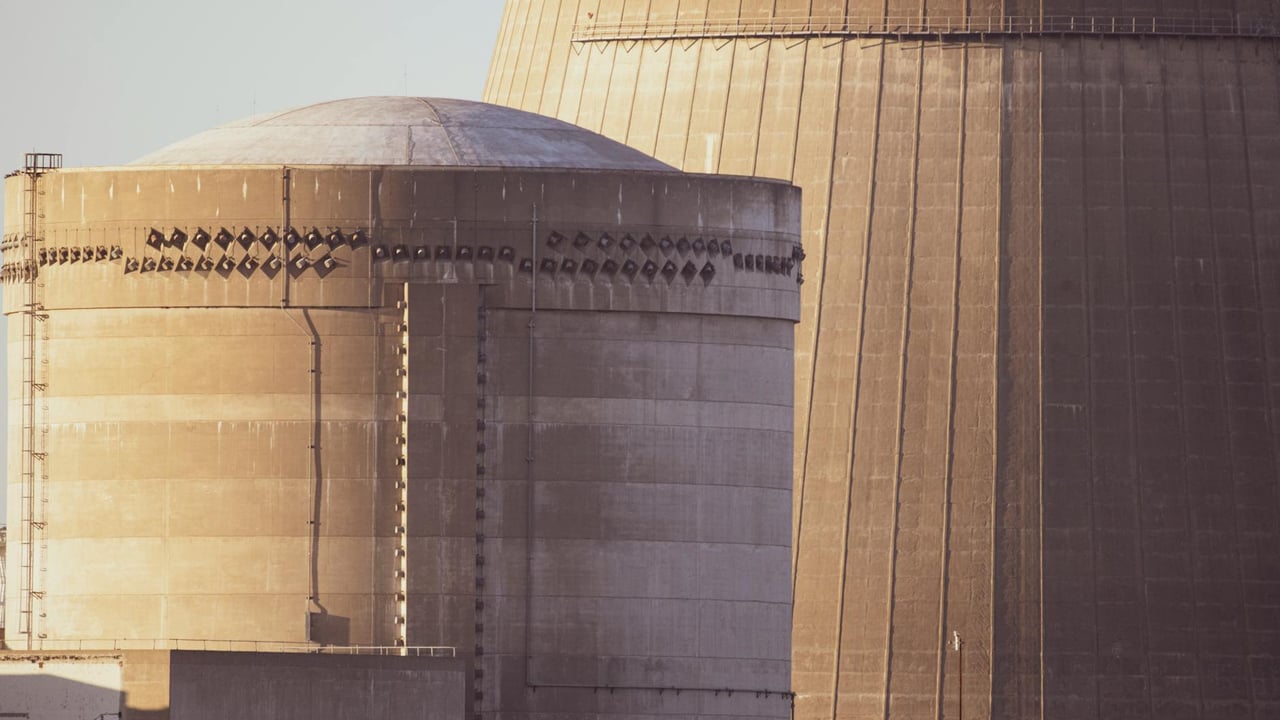
The nuclear dimension remains the most volatile friction point, with Tehran signaling a conditional willingness to negotiate on enrichment levels while refusing to dismantle its core facilities. Under the proposed terms, Iran would dilute a portion of its highly enriched uranium and transfer the remainder to a third-party nation—likely Russia—provided that the material is returned if the U.S. exits the agreement. This offer, however, stops short of the 20-year enrichment freeze sought by Washington, reflecting Tehran’s strategy of maintaining a latent nuclear capability.
Adding to the volatility, Israeli Prime Minister Benjamin Netanyahu has signaled a preference for kinetic solutions, suggesting that the physical removal of enriched uranium from Iranian soil is the only viable path forward. U.S. military planners have reportedly briefed the White House on high-risk operations designed to seize nearly 1,000 pounds of uranium currently buried under the ruins of the Isfahan nuclear facility. As Tehran places its military on “full combat readiness” to thwart potential commando raids, the window for a negotiated settlement appears to be narrowing in favor of a direct confrontation.