Tesla’s ‘Physical AI’ Pivot: Why the End of Model S and X Marks a New Era for Musk

Tesla has officially ceased production of its flagship Model S and Model X vehicles to repurpose its Fremont facility for the mass production of Optimus humanoid robots. This strategic shift signals Elon Musk's definitive move to transition Tesla from a traditional automaker into a specialized AI and robotics powerhouse.

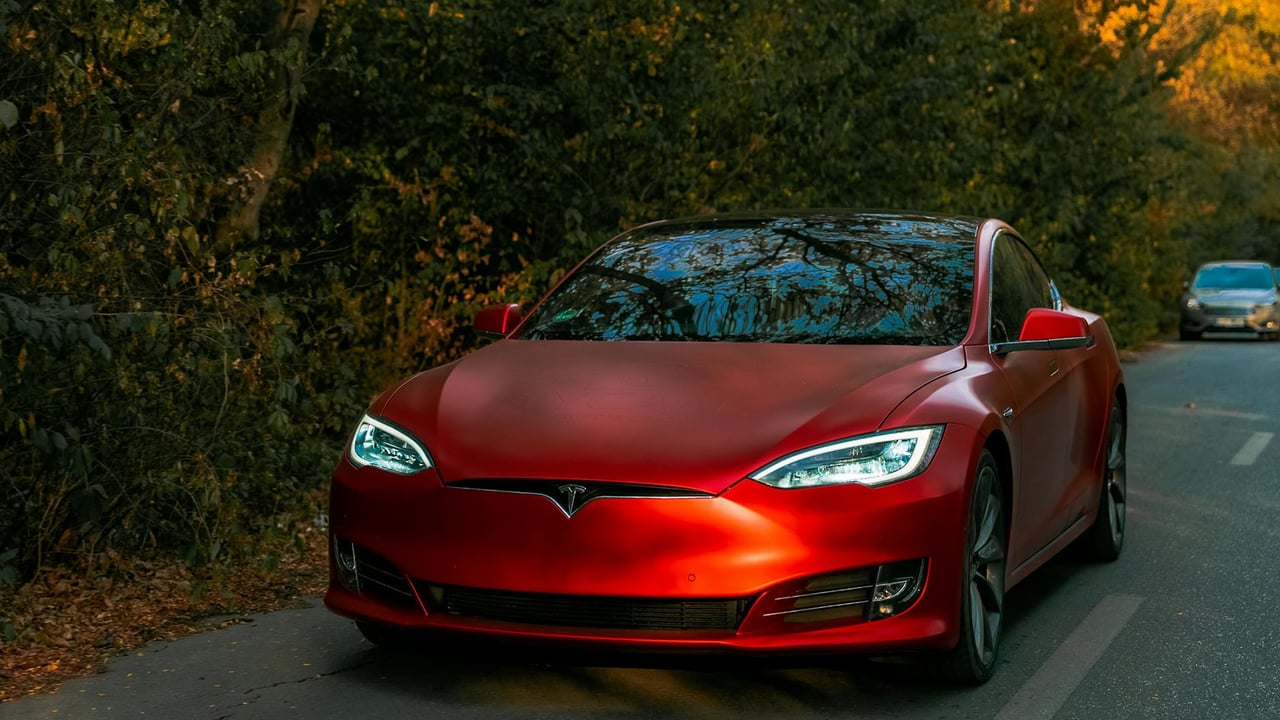
Sleek red electric car driving through a scenic forest road on an autumn day.

Key Takeaways

  • 1Tesla has ended production of the Model S and Model X after 14 and 11 years respectively.
  • 2The Fremont production lines will be converted to manufacture Optimus humanoid robots with a 1-million-unit annual goal.
  • 3Tesla is pivoting its corporate identity from 'automaker' to a 'physical AI company' focusing on robotics and autonomous driving.
  • 4Future automotive efforts will center on Model 3/Y for the mass market and the upcoming 'Cybercab' for ride-hailing.
  • 5Inventory of the flagship models is rapidly depleting in China, with the Model S already sold out.

Editor's
Desk

Strategic Analysis

This transition marks the ultimate 'Muskian' pivot, where Tesla is effectively burning the boats of its luxury heritage to conquer the frontier of robotics. By killing the cars that built the brand's prestige, Musk is forcing the market to stop valuing Tesla as a car company and start valuing it as an AI entity. It is a high-stakes gamble: the company is sacrificing the steady, high-margin revenue of its established flagships for the unproven but potentially infinite scale of general-purpose humanoid robotics. For China's domestic EV competitors, this exit from the high-end luxury sedan and SUV space opens a vacuum that brands like BYD and Yangwang will likely rush to fill.

China Daily Brief Editorial
Strategic Insight
China Daily Brief

On May 10, 2026, the final units of the Model S and Model X rolled off the assembly line at Tesla’s Fremont factory, bringing an official close to the chapters that defined the modern electric vehicle industry. For over a decade, these flagship models served as the vanguard of the EV revolution, proving that battery-powered cars could be both aspirational and high-performing. Their departure signals the end of Tesla’s identity as a boutique luxury automaker.

The retirement of these legacy models is a calculated transformation of Tesla's industrial footprint. The space formerly occupied by the Model S and X production lines is slated for a rapid four-month overhaul to accommodate the mass manufacturing of Optimus, Tesla’s humanoid robot. With an ambitious target of producing one million robots annually, Elon Musk is decisively prioritizing "physical AI" over the low-volume luxury car segment that once dominated the company's balance sheet.

This move consolidates Tesla’s automotive strategy around the high-volume Model 3 and Model Y, while repurposing the Cybertruck as a foundation for an autonomous logistics platform. By clearing the deck of its older, more complex luxury models, the company is refocusing its capital and engineering talent on the "Cybercab" ecosystem and proprietary AI chips. This transition reflects a total commitment to the promise of a fully autonomous, robotics-driven future.

In the Chinese market, the shift was felt immediately as Tesla’s official website removed the configurators for both flagship models, redirecting buyers to a dwindling "existing inventory" list. While the Model S has already sold out in China, remaining Model X units are being sold at premium price points. These final sales represent the closing of a 14-year cycle that saw electric mobility move from a niche curiosity to a global standard.

Share Article

Related Articles

📰
No related articles found