
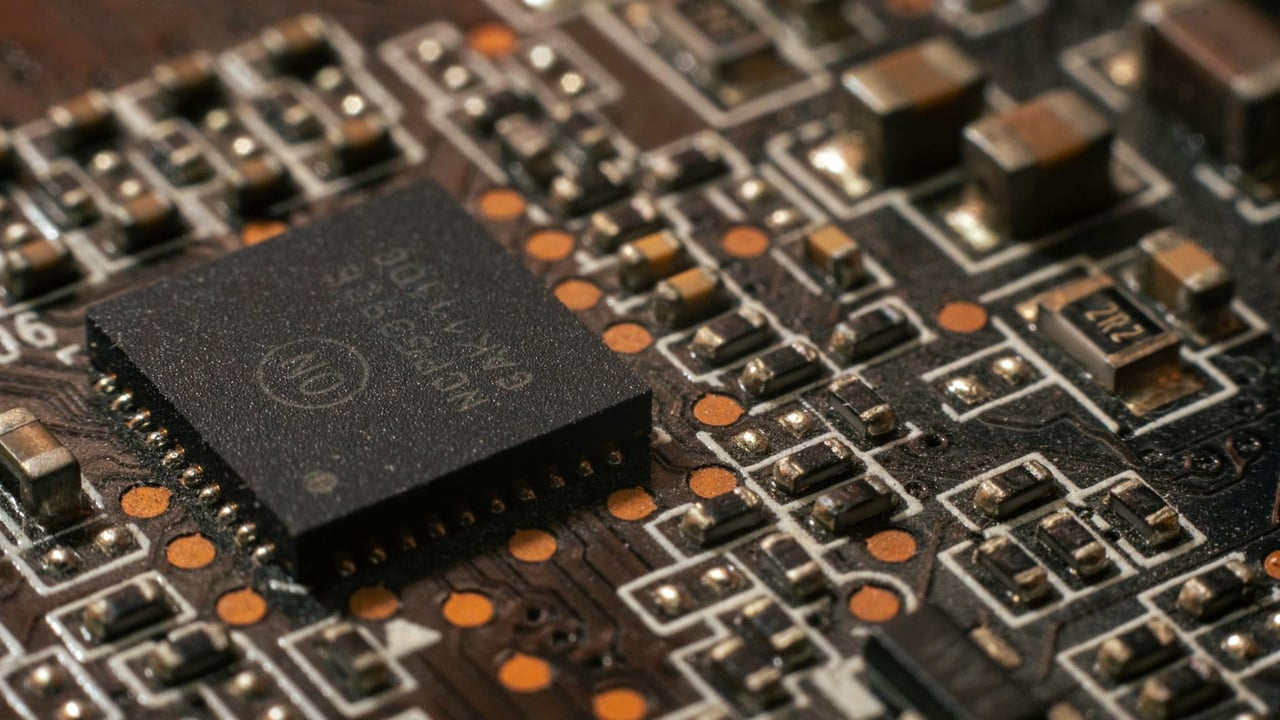

Fudan Microelectronics (FMSH), a cornerstone of China's programmable logic sector, has formalized a strategic partnership with Fudan University and state-backed investors to establish a new Integrated Circuit Technology Center. The five-year agreement involves a commitment of up to 1 billion yuan ($138 million) focused on high-end Field Programmable Gate Arrays (FPGAs), Programmable System-on-Chips (PSoCs), and next-generation storage. This initiative represents a calculated effort to bridge the perennial gap between academic innovation and commercial scalability within China's semiconductor ecosystem.
The collaboration arrives at a critical juncture for the global chip industry, where the focus is shifting from power-intensive AI training to efficient real-world inference. While GPUs currently dominate the AI landscape, FPGAs are gaining renewed significance due to their "reconfigurable" nature, allowing hardware to adapt to evolving algorithms without physical redesigns. This flexibility is increasingly vital for edge computing and telecommunications, sectors where China seeks to maintain a competitive advantage despite tightening Western export controls.
The structural nuances of the deal reveal a sophisticated division of labor common in China’s national champion model. While the 300-person research team will be led by academic faculty to ensure scientific rigor, FMSH retains exclusive rights to the commercialization of all intellectual property generated. This arrangement allows the university to claim academic prestige through high-impact publications while ensuring that taxpayer-funded and corporate-backed research translates directly into industrial dominance.
FMSH is not alone in this domestic arms race, as local rivals like Anlu Technology are similarly tapping capital markets to fund advanced FPGA development. The inclusion of FPGAs in global computing standards, such as Nvidia's latest Vera Rubin platform, suggests that these chips are no longer niche components but essential co-processors in the AI era. By locking in long-term academic resources, FMSH is positioning itself to lead the "design-manufacture-application" alliance that Beijing views as essential for technological self-reliance.