

An unexplained explosion rocked the central Iranian city of Arak on May 11, resulting in the total destruction of a residential building. Emergency response units and rescue teams were quickly dispatched to the scene to conduct safety evacuations and search for survivors. While the immediate focus remains on the humanitarian impact, the cause of the blast remains officially unknown, pending further investigation by local authorities.
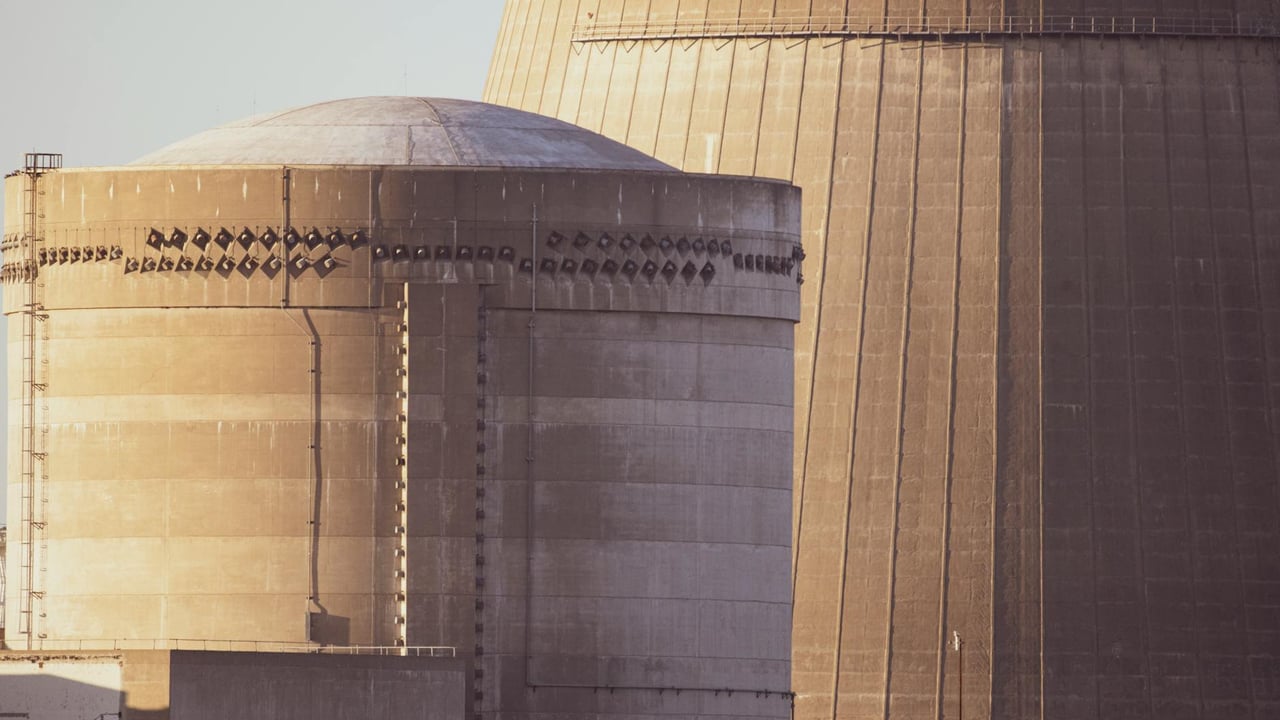
Arak is not merely a provincial capital; it is a vital cog in Iran’s industrial and nuclear machinery. The city is home to the Khondab heavy water reactor, a facility that has historically been a focal point of international nuclear diplomacy and rigorous monitoring. Consequently, any disruption or incident in this specific geography triggers immediate concern regarding the stability of critical state infrastructure.
Preliminary reports have not yet confirmed casualties, but the scale of the structural damage suggests a significant release of energy. In a region where domestic infrastructure is often strained by sanctions and where industrial accidents are sometimes linked to external sabotage, the silence regarding the blast’s origin fuels widespread speculation. For now, the Iranian government is maintaining a focus on civil defense and public safety measures within the affected neighborhood.
As forensic teams sift through the debris, the incident highlights the ongoing vulnerability of urban centers in a highly securitized nation. Whether the explosion was a localized domestic accident or part of a broader security breach, it underscores the fragility of the status quo in Iran’s sensitive central corridor. International observers will be closely monitoring official statements for any shift in rhetoric that might point toward a more complex cause.