
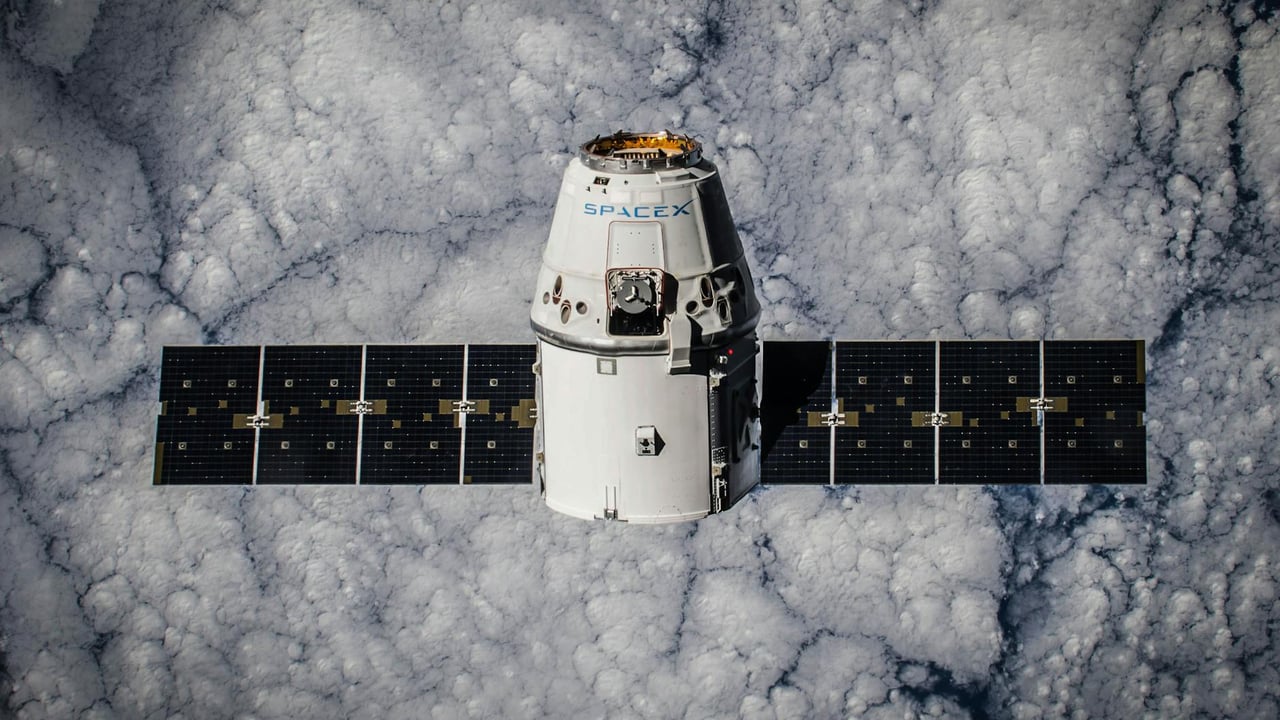

The successful docking of the Tianzhou-10 cargo spacecraft with the Tiangong space station on May 11, 2026, marks a pivotal transition for China's extraterrestrial ambitions. At 13:11 Beijing time, the freighter completed its automated rendezvous with the rear port of the Tianhe core module. This mission serves as the logistical backbone for the upcoming Shenzhou-21 crew, ensuring that the station remains fully operational for long-term residency and scientific experimentation.
While the docking itself has become a practiced routine for the China Manned Space Agency, the financial markets reacted with renewed vigor, treating the event as a validation of the broader 'commercial space' investment thesis. The Aerospace ETF (159267) saw its trading volume swell to 226 million yuan, with constituent companies like Maixinlin and China Satellite posting significant gains. This market movement underscores a growing consensus that China’s aerospace sector is evolving from a state-funded prestige project into a high-growth industrial engine.
Market analysts from leading Chinese brokerages, including Zheshang and Guojin Securities, suggest that the industry is entering a 'scale application' phase under the strategic framework of the upcoming 15th Five-Year Plan. The focus is shifting toward the 'Low-Altitude Economy' and the acceleration of reusable rocket technologies, which are seen as essential for reducing the costs of orbital delivery. This strategic pivot aims to create a self-sustaining ecosystem where military-civilian integration drives innovation in both defense and commercial satellite services.
Furthermore, the surge in investor interest—evidenced by a nearly 230% year-to-date growth in Aerospace ETF shares—indicates that capital is flowing toward sectors with high policy certainty. As China pushes for global leadership in aerospace, the focus on 'dual-use' technologies is becoming more pronounced. The integration of high-end manufacturing, such as gas turbines and specialized aeronautical materials, suggests that the aerospace boom is intended to catalyze a wider upgrade of China’s industrial base.