
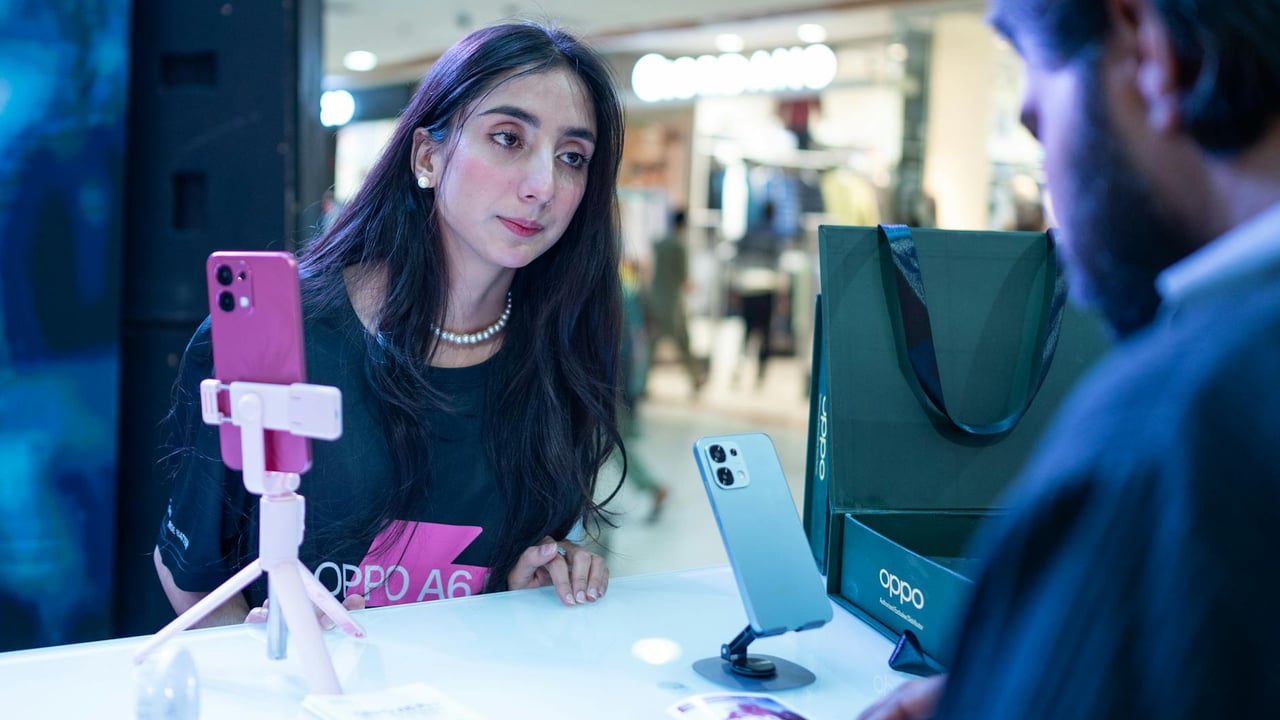

The Chinese smartphone market is currently entering what industry insiders describe as an 'elimination round,' a brutal phase of consolidation where the margin for error has narrowed to zero. In this cooling climate, two of the nation's biggest players, OPPO and Honor, are placing diametrically opposed bets on their future. While OPPO is retreating into a defensive crouch by consolidating its sprawling empire, Honor is attempting a risky expansion by launching a new sub-brand into a saturated market.
OPPO’s recent struggles are not merely confined to the balance sheet. The company has recently faced a series of public relations disasters, including a tone-deaf Mother's Day campaign and executive comments that were widely criticized as sexist and 'greasy.' These marketing missteps are indicative of a deeper 'performance anxiety' as the company attempts to maintain its grip on younger demographics while its domestic shipment numbers face year-on-year declines.
To stem the bleeding, OPPO is undergoing a radical organizational restructuring by absorbing its formerly independent sub-brands, OnePlus and Realme, into a single operational unit. This move effectively ends the internal cannibalization that saw the three brands fighting for the same 2,000 to 4,000 RMB price segment. By unifying research, development, and supply chains, OPPO hopes to transform its '主品牌+双生子品牌' (Main brand + twin sub-brands) matrix into a more efficient, cost-effective fighting force.
Contrastingly, Honor is looking to its past for inspiration, specifically the successful playbook of its former parent, Huawei. Despite the industry’s contraction, Honor CEO Li Jian has signaled a move toward a multi-brand strategy, aiming to boost annual sales toward the 85-million-unit mark. This 'expansionary' gambit seeks to capture market share from competitors through specialized sub-brands, even as the global supply chain faces a 60% spike in memory component costs.
However, both firms are operating in a world where the 'Golden Age' of sub-brands has effectively ended. With the average consumer replacement cycle stretching to a record 51 months, the novelty of hardware iterations has worn thin. In a market dominated by five major players holding nearly 90% of the share, the room for new brand identities to breathe is becoming dangerously claustrophobic.
The ultimate battleground is no longer just about marketing or price points, but about the high-stakes arms race for Artificial Intelligence. As AI becomes the defining feature of the next generation of hardware, the immense R&D costs required favor large, centralized 'master brands' rather than fragmented sub-labels. For OPPO and Honor, the question is not just about how many brands they can manage, but whether they can build a technological moat deep enough to survive the ongoing industry winter.