Stalemate in the Strait: Trump Rejects Iran’s Counter-Proposal as Conflict Risks Escalate

Tensions between the US and Iran have reached a fever pitch after President Trump rejected Tehran's latest diplomatic response as 'unacceptable.' While Iran outlines paths ranging from dignified negotiation to military conflict, the presence of European warships in the Strait of Hormuz adds a layer of international complexity to the standoff.

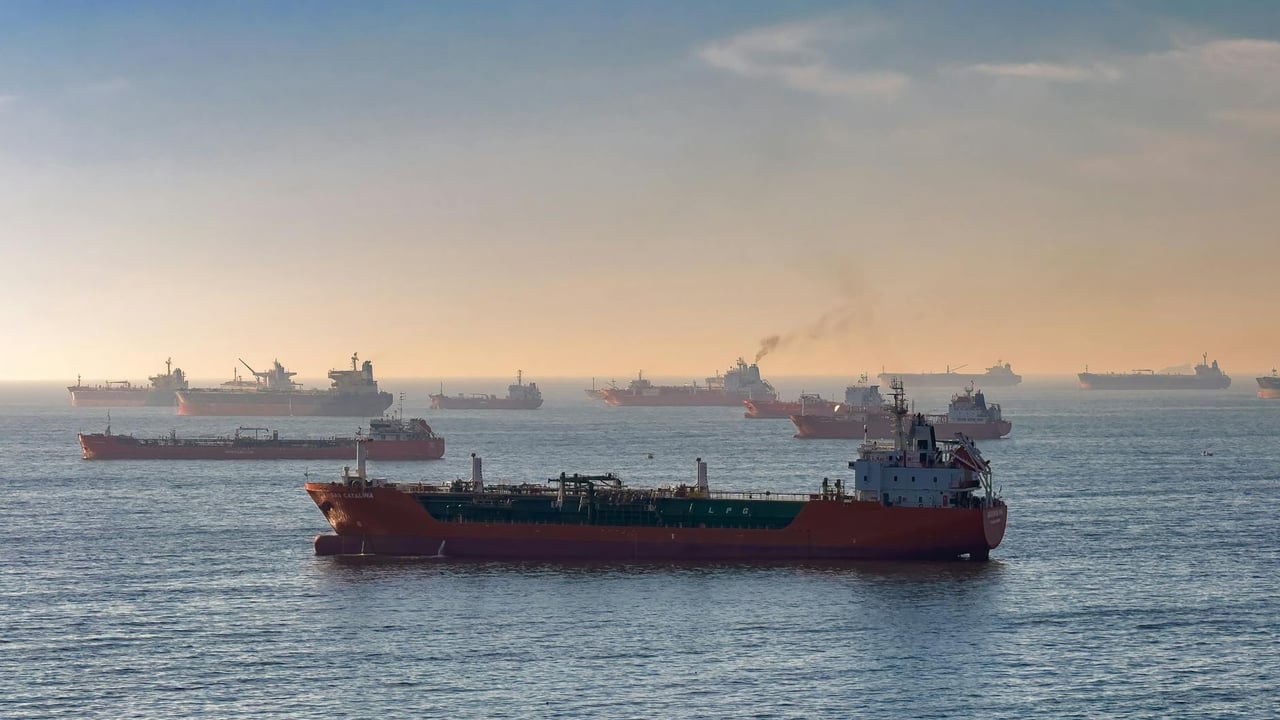
Cargo ships and oil tankers on the Bosporus strait, capturing global trade and maritime logistics at sunset.

Key Takeaways

  • 1President Trump rejected Iran's counter-proposal, which demanded war reparations and an end to all regional fronts including Lebanon.
  • 2Iran’s President Pezeshkian has outlined three strategic options: dignified diplomacy, a 'no war, no peace' stalemate, or military confrontation.
  • 3The US 14-point plan requires Iran to surrender its high-enriched uranium and halt enrichment for 12 years in exchange for sanctions relief.
  • 4France and the UK are moving to secure the Strait of Hormuz, prompting Iranian threats of a 'decisive response' to European naval movements.
  • 5Israel continues to push for more aggressive terms, including the total dismantling of Iranian nuclear facilities and proxy networks.

Editor's
Desk

Strategic Analysis

The current impasse highlights a fundamental disconnect in the 'art of the deal' applied to Middle Eastern geopolitics. Washington is pursuing a strategy of maximum leverage, attempting to trade economic survival for the permanent neutralization of Iran’s nuclear ambitions. Tehran, conversely, is utilizing its 'forward defense' doctrine, linking any nuclear concessions to broader regional security and the cessation of conflict in Lebanon. By involving Pakistan as a mediator and demanding oil sanction relief within a 30-day window, Iran is testing the limits of Trump's patience. The 'Three Paths' rhetoric from Pezeshkian suggests that while the Iranian leadership is desperate for economic relief, they remain prepared to leverage their control over the Strait of Hormuz as a final deterrent, essentially holding global energy markets hostage to ensure their domestic survival.

China Daily Brief Editorial
Strategic Insight
China Daily Brief

The Persian Gulf stands at a perilous crossroads as President Donald Trump flatly rejected a counter-proposal from Tehran aimed at ending the current hostilities. Following a 14-point US plan delivered through Pakistani intermediaries, the Iranian leadership responded with a set of demands that the White House characterized as completely unacceptable. This diplomatic friction occurs against a backdrop of military posturing, with both sides signaling a readiness for further escalation if negotiations fail to produce a breakthrough.

The US proposal demanded that Iran cease all uranium enrichment for at least 12 years and surrender its existing stockpile of 60% enriched uranium. In return, Washington offered a phased lifting of maritime blockades and the unfreezing of overseas assets. However, Tehran’s response shifted the focus toward a broader regional ceasefire, specifically involving Lebanon, while demanding immediate compensation for war damages and the swift removal of all oil-related sanctions.

Iranian President Masoud Pezeshkian has framed the situation as a choice between three distinct paths: dignified negotiation, a state of neither war nor peace, or outright military confrontation. While Pezeshkian emphasized that diplomacy remains a logical choice to translate battlefield gains into political stability, he underscored that Iran would not 'bow to the enemy' or accept terms that resemble a surrender. This rhetoric reflects a domestic necessity to appear strong even as economic pressure from the maritime blockade intensifies.

Adding to the regional volatility, Israeli Prime Minister Benjamin Netanyahu remains adamant that any final deal must dismantle Iran’s nuclear infrastructure and degrade its ballistic missile capabilities. Meanwhile, a burgeoning European naval presence, led by the French aircraft carrier Charles de Gaulle, has drawn sharp warnings from Tehran. As France and the UK coordinate a 40-nation summit to restore trade in the Strait of Hormuz, the risk of a miscalculation in these crowded waters remains at an all-time high.

Share Article

Related Articles

📰
No related articles found