
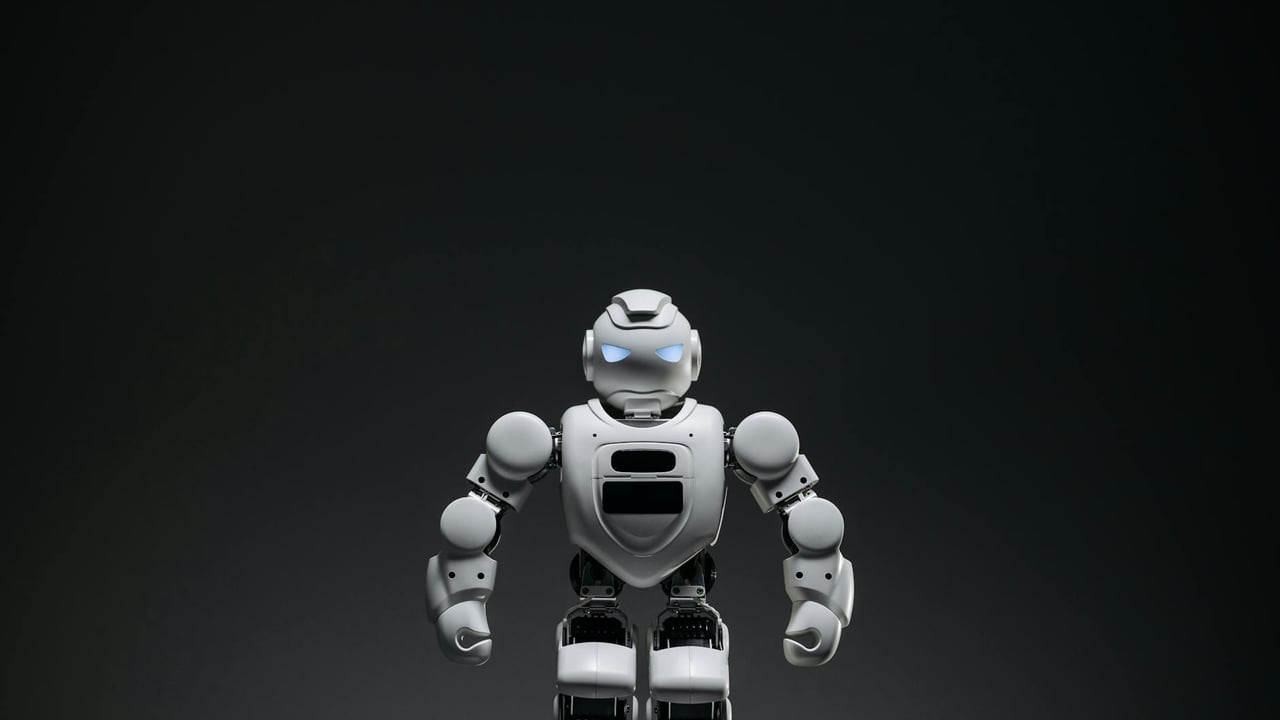

The line between science fiction and industrial reality blurred significantly this week as Hangzhou-based Unitree Robotics unveiled the GD01, the world’s first mass-produced manned transformable mecha. With a starting price of 3.9 million RMB ($540,000), the GD01 is a bold declaration of intent from a company that has rapidly evolved from a specialized lab to a dominant force in the global robotics landscape. This 500-kilogram steel behemoth, capable of switching between a bipedal upright stance and a stable quadrupedal mode, represents a new frontier in the commercialization of heavy-duty robotics.
Standing at roughly 1.6 times the height of an average adult, the GD01 was demonstrated by Unitree founder Wang Xingxing, who operated the machine from a central cockpit. The mechanical giant exhibited fluid movement, punch-testing through solid brick walls with stability that suggests high-precision torque control and structural integrity. Beyond the spectacle, the machine is designed to navigate complex terrains by folding its legs and shifting its center of gravity within seconds, a feature that targets potential applications in civil transportation and specialized search-and-rescue operations.
Unitree’s trajectory mirrors China’s broader strategy to dominate the emerging 'embodied AI' and robotics markets. While the company initially gained international fame with its nimble quadruped 'dogs' and cost-effective humanoid models like the G1—priced as low as $3,700—the GD01 shifts the goalposts toward the high-luxury and industrial heavy-lifting segments. The company has moved aggressively into the retail space, recently opening its first flagship store in Beijing to provide onsite service and sales, marking a transition from a niche tech supplier to a mainstream brand.
Financial disclosures accompanying the launch highlight a sector in explosive growth. Unitree reported revenues exceeding 1.7 billion RMB in 2025, a year-on-year increase of over 335%, with net profits surging nearly 700%. This financial performance, coupled with a market share that rivals domestic competitors like Agibot and UBTECH, positions Unitree as a primary candidate for a major public offering. Industry analysts note that while global humanoid shipments are still in their infancy, Chinese firms now control the lion's share of the market, capitalizing on local supply chain efficiencies.
However, the path to widespread adoption of manned mecha remains fraught with regulatory and safety hurdles. Unitree has issued stern warnings against 'dangerous modifications' and emphasized that the GD01 is currently in an early exploratory stage. For all its cinematic appeal, the machine's high price tag and physical limitations mean it will likely remain a high-end curiosity for wealthy enthusiasts and research institutions before it finds a permanent role in the industrial workforce.