
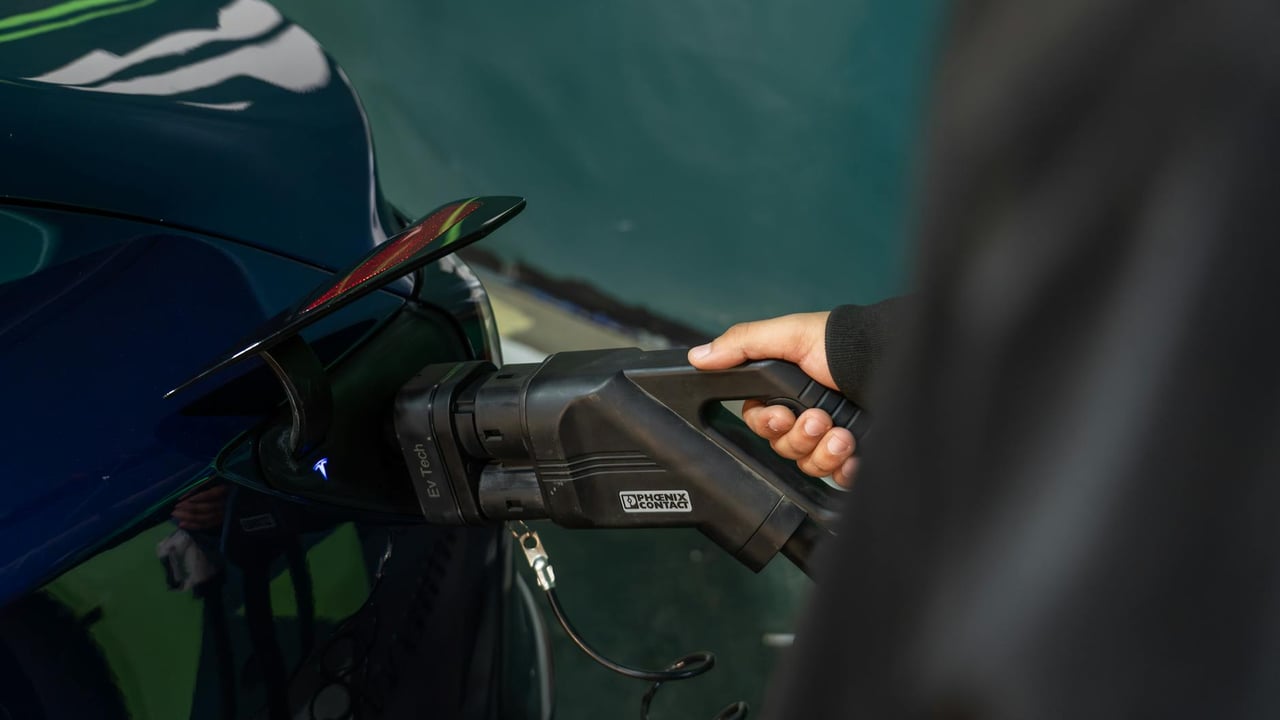

Imagine the frustration of an electric vehicle owner who, after purchasing a car advertised with a 600-kilometer range and rapid charging capabilities, discovers that a routine Over-the-Air (OTA) software update has slashed that range to 400 kilometers. This phenomenon, known in the Chinese industry as "remote power locking," has emerged as a pervasive and predatory tactic among domestic automakers. By remotely altering battery management system parameters, companies are essentially throttling vehicle performance without the owner's explicit informed consent, sparking a massive wave of consumer backlash.
The scale of the issue is staggering. In March alone, China’s national 12315 consumer complaint platform received over 12,000 reports regarding battery locking, marking a 273% year-on-year increase. While a recent viral report claiming that eight specific car companies were officially summoned by regulators was later clarified as potentially inaccurate, the sheer volume of complaints suggests that the practice has become a de facto industry standard for managing hardware liabilities. For an industry that prides itself on being at the cutting edge of the "Software-Defined Vehicle" (SDV) era, this represents a significant breach of trust.
The motivation behind this practice is primarily financial. Batteries are the single most expensive component of an EV, often accounting for more than half of the total production cost. With most Chinese manufacturers offering an eight-year or 120,000-kilometer warranty, the potential cost of replacing degraded or faulty battery packs across millions of vehicles is astronomical. By using software to artificially limit charging speeds and discharge depth, manufacturers can extend the paper life of a battery just long enough to outlast the warranty period, effectively shifting the cost of hardware degradation onto the consumer.
In some cases, the practice serves as a "silent recall." When specific car models exhibit safety risks such as spontaneous combustion, some manufacturers have chosen to throttle battery performance via OTA updates rather than issuing a formal, costly hardware recall. This tactic allows the company to reduce the risk of fire by preventing the battery from operating at full capacity, all while framing the update as a move for the consumer's "safety." This bypasses the transparency required by regulatory bodies and robs the consumer of the product performance they originally purchased.
Consumer recourse remains frustratingly limited. Proving that a car's range loss is due to intentional software throttling rather than natural degradation or seasonal temperature changes is nearly impossible for the average owner. The legal system has further complicated the issue; in one notable case in Shanghai, mechanics who attempted to "unlock" batteries and restore original performance levels for owners were jailed for tampering with computer systems. This creates a lopsided environment where manufacturers can alter vehicle specifications at will, but owners are legally barred from reverting those changes to reclaim their property's value.
For China's burgeoning EV sector, which has become a symbol of the nation's industrial prowess, this lack of transparency is a systemic risk. If regulators fail to impose heavy penalties and clear disclosure requirements, the industry risks eroding the hard-won confidence of both domestic and international buyers. Protecting the brand of "Made in China" EVs requires more than just manufacturing capacity; it requires a regulatory framework that ensures software updates are used to improve the user experience, not to mask hardware failures and financial liabilities.