

The prospects for a swift resolution to the simmering conflict in the Persian Gulf have dimmed significantly as Washington and Tehran trade sharp rebukes over a proposed 14-point truce. President Donald Trump has dismissed Iran’s counter-proposals as "completely unacceptable," signaling a return to the high-stakes maximum pressure tactics that defined his previous administration’s Middle East policy. The impasse centers on a U.S. demand for Iran to surrender its stockpile of 60% enriched uranium and commit to a 12-year freeze on enrichment in exchange for the lifting of maritime blockades.
Tehran’s response, mediated through Pakistan, suggests a leadership that remains unwilling to trade its nuclear leverage for what it perceives as an uneven economic reprieve. Iranian President Masoud Pezeshkian has articulated a strategic trilemma for his nation: dignified negotiation, a state of "no war, no peace," or outright military confrontation. By emphasizing that dialogue does not equate to surrender, Pezeshkian is attempting to balance the need for economic relief with the domestic necessity of maintaining a posture of revolutionary resistance.
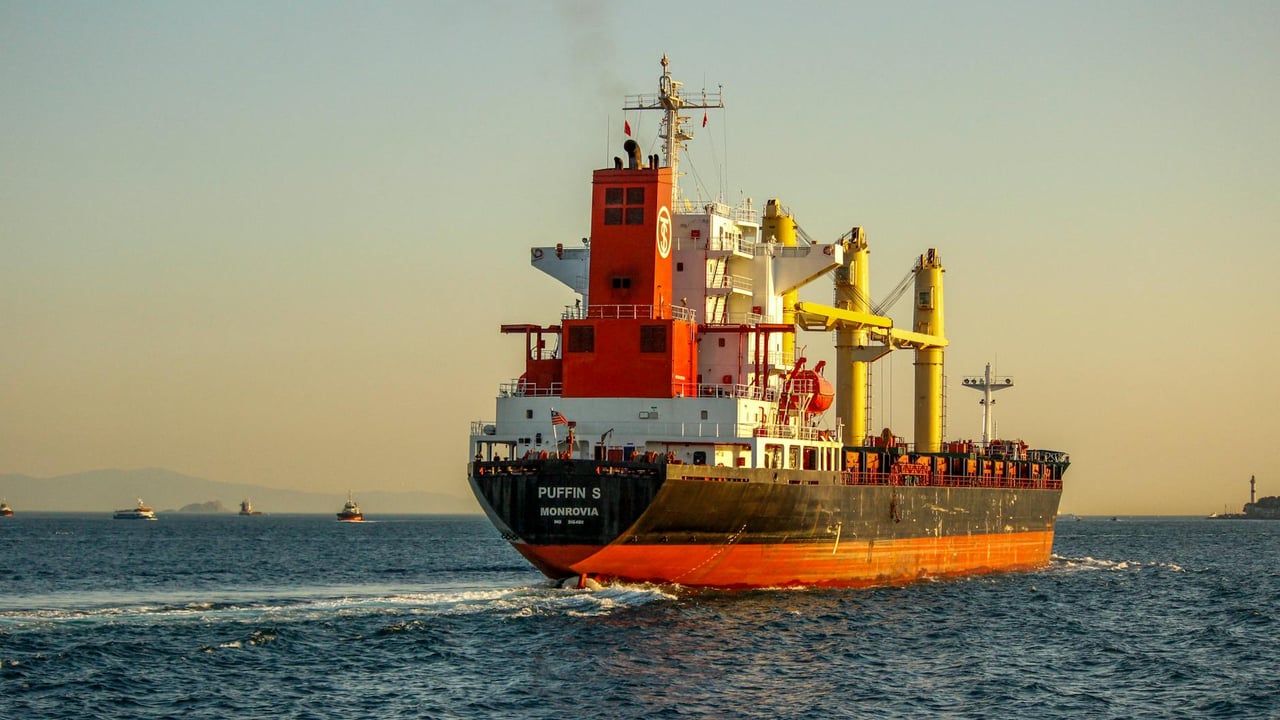
The friction is not merely rhetorical; it is manifesting in the strategic chokepoints of global trade. Iran has reaffirmed its sovereignty over the Strait of Hormuz and warned of a "decisive response" to the presence of British and French warships. Meanwhile, the U.S. and its allies are pivoting toward a multilateral maritime security framework, with France’s Charles de Gaulle carrier group moving toward the region to secure commercial shipping lanes. This naval buildup increases the risk of a miscalculation that could transform a diplomatic stalemate into a regional conflagration.
Israel’s stance further complicates the diplomatic landscape, as Prime Minister Benjamin Netanyahu insists that any final agreement must include the total dismantling of Iran’s nuclear infrastructure and the degradation of its missile capabilities. This hardline position, coupled with Trump’s assertions that the U.S. could "take out every target" in Iran within two weeks, leaves little room for the "middle ground" that mediators like Pakistan are desperately seeking. As both sides dig in, the "rational and logical choice" Pezeshkian seeks remains elusive, overshadowed by the reality of a deepening military and economic siege.