From Sci-Fi to Showroom: China’s Unitree Debuts the World’s First Mass-Produced Manned Mecha

Unitree Robotics has launched the GD01, the first mass-produced manned transformable mecha intended for civilian transport. Priced at 3.9 million RMB, the vehicle marks a significant leap from small-scale robotics to large-scale, pilotable machinery in the Chinese tech sector.

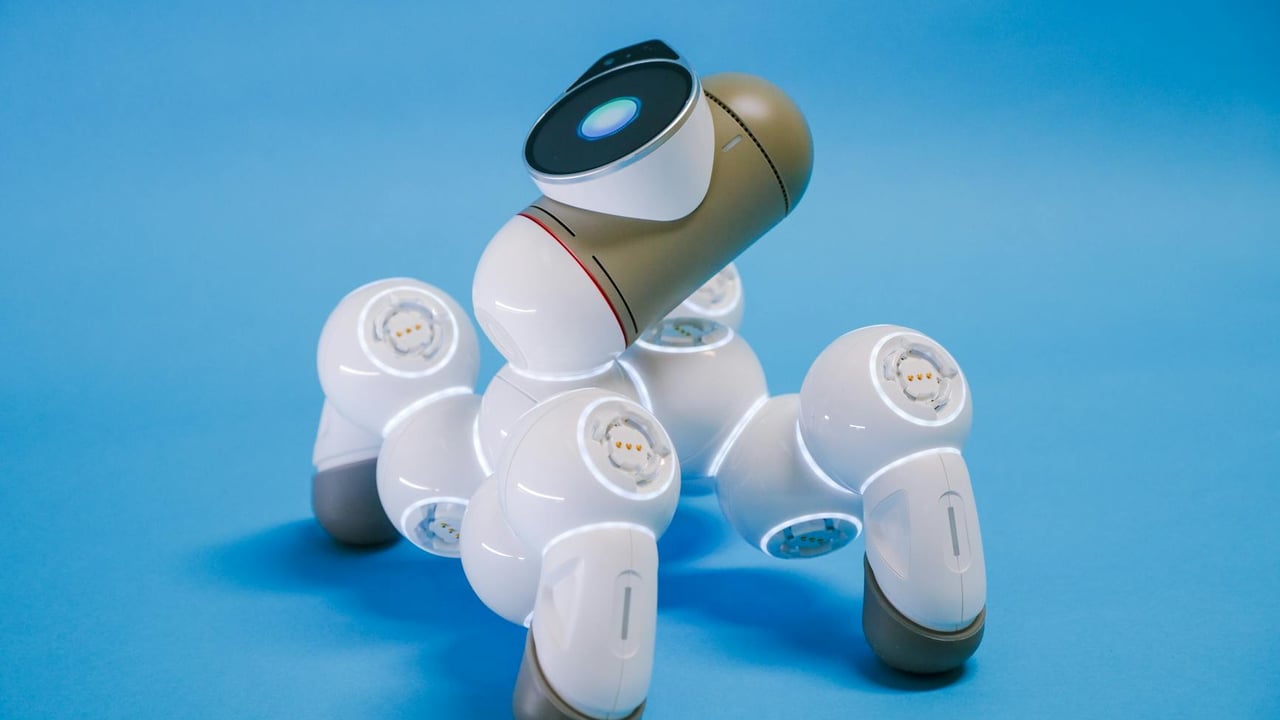
Close-up of an advanced robotic dog showcasing futuristic technology.

Key Takeaways

  • 1Unitree Robotics has officially released the GD01, the world’s first mass-produced manned mecha.
  • 2The vehicle features transformation capabilities and is positioned as a civilian transportation tool.
  • 3The starting price for the GD01 is set at 3.9 million yuan ($540,000).
  • 4This release signals a shift from experimental prototypes to commercialized large-scale piloted robotics.
  • 5The move underscores China's growing dominance in advanced robotics manufacturing and supply chain integration.

Editor's
Desk

Strategic Analysis

The release of the GD01 is less about solving a transportation problem and more about establishing a technological vanguard. By moving mecha technology from the lab to a commercial production line, Unitree is effectively stress-testing the industrial infrastructure required for the next generation of heavy humanoid robotics. For the global audience, this highlights a strategic pivot in Chinese innovation: the ability to commoditize high-complexity, sci-fi-adjacent hardware. Even if initial sales are limited to enthusiasts or exhibitionists, the data gathered from human-operated large-scale units will be invaluable for future dual-use applications in disaster relief, construction, and defense.

China Daily Brief Editorial
Strategic Insight
China Daily Brief

Hangzhou-based Unitree Robotics, a firm previously renowned for its nimble quadruped 'robot dogs,' has officially signaled a new era in personal mobility. The company has unveiled the GD01, a manned, transformable mecha that claims the title of the world's first mass-produced vehicle of its kind. This move represents a dramatic scale-up in both engineering ambition and market positioning for the Chinese robotics leader.

Priced at 3.9 million yuan (approximately $540,000), the GD01 is being marketed as a civilian transport tool rather than a mere prototype or exhibition piece. The machine’s defining feature is its ability to transform, likely shifting between a bipedal walking mode and a more stable vehicular configuration. This versatility aims to bridge the gap between heavy industrial machinery and high-end personal transportation.

The launch of the GD01 is a testament to the maturing robotics supply chain in China, which now supports the production of high-torque motors and advanced balance algorithms at scale. While Western and Japanese firms have long experimented with pilotable robots, they have rarely moved beyond the 'one-off' custom build stage. Unitree’s commitment to a production line suggests a high level of confidence in the reliability of their hardware and software integration.

However, the commercial viability of such a machine remains an open question for global markets. Beyond the high entry price, the GD01 will face significant regulatory hurdles regarding safety standards and urban traffic integration. Nonetheless, the psychological and technological impact of placing a pilot inside a transforming robot marks a pivot point in how the public perceives the utility of large-scale humanoid systems.

Share Article

Related Articles

📰
No related articles found