
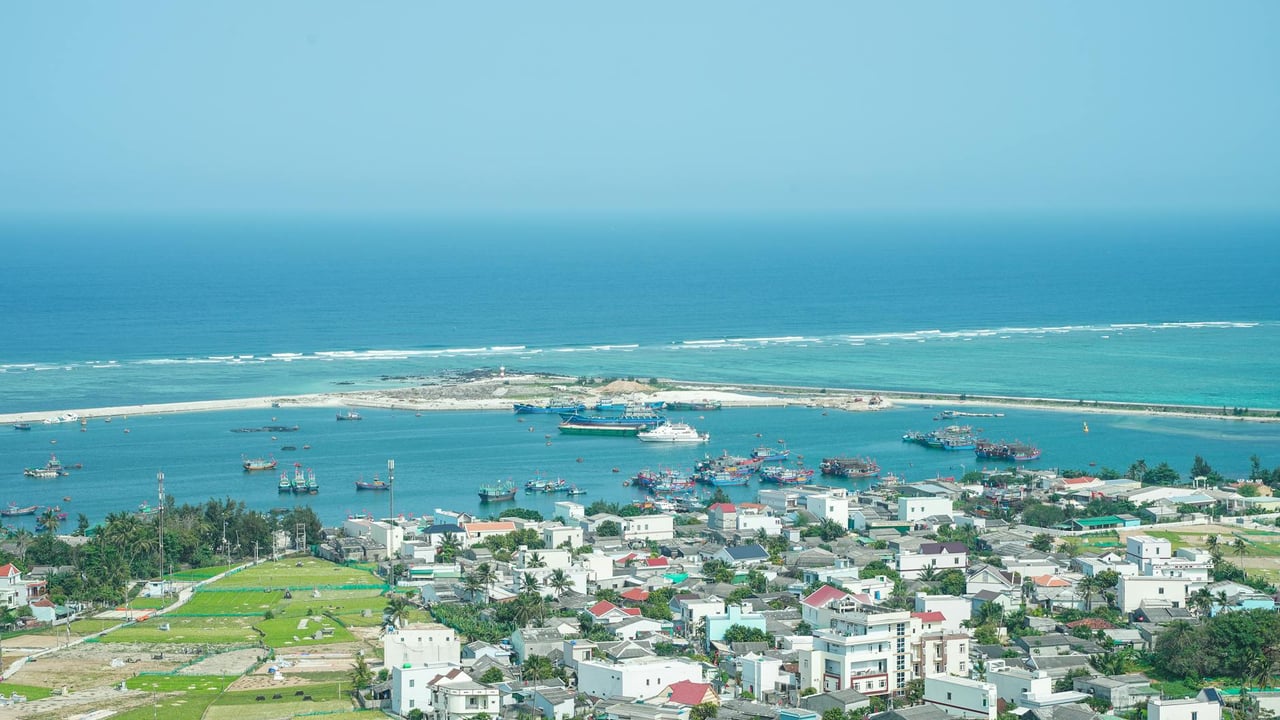

Deep in the disputed waters of the South China Sea, the rhythmic surge of the tide meets a different kind of permanence. On the outposts of the Nansha (Spratly) Islands, a new generation of Chinese servicemen—the post-2000s cohort—is redefining what it means to man the front lines of Beijing’s maritime ambitions. No longer just a collection of remote outposts, these reefs have become highly professionalized garrisons where civilian skills and military duty intersect in a harsh, high-salinity environment.
Among these young defenders is Liu Tao, a soldier whose daily life on a pier overlooking a lagoon reflects the monotonous yet high-stakes reality of modern island defense. For Liu and his peers, the romanticized version of military life found in cinema often gives way to the grueling reality of heat, humidity, and the repetitive nature of sentry duty. Yet, this boredom is punctuated by the strategic gravity of their position, where every “rustle of the wind” or passing foreign vessel is treated as a potential challenge to national sovereignty.
Demographic shifts within the People’s Liberation Army (PLA) are visibly manifesting on these reefs, with college-educated soldiers now making up an estimated 70% of the garrison. This intellectual capital is being leveraged to maintain increasingly complex hardware and to improve the livability of the islands. Soldiers like Bu Zihang, an interior design major turned missile operator, utilize their professional backgrounds to design tactical layouts and maintain equipment, bridging the gap between civilian expertise and military necessity.
Life on the reefs is an endurance test against nature itself. The environment—characterized by temperatures hovering around 30 degrees Celsius year-round and corrosive sea air—requires constant vigilance in equipment maintenance. Senior technicians like Weng Ronghai emphasize that on a remote reef, the ability to repair hardware in a cramped engine room is as critical as tactical maneuvers. This focus on self-sufficiency ensures that these small “stationary aircraft carriers” remain operational without constant reliance on mainland support.
Over the last decade, the physical landscape of these outposts has transformed from barren rock and concrete to “green” fortresses. Veteran soldiers recall a time when fresh water was strictly rationed and greenery was non-existent. Today, successful attempts at planting vegetation have not only improved morale but have also altered the tactical environment, providing natural camouflage for drills and “red-blue” combat simulations that were previously impossible on exposed surfaces.
Ultimately, the narratives of these young soldiers serve a dual purpose: they are both a testament to individual endurance and a clear signal of institutional intent. By rotating a highly educated, technologically savvy generation through these contested waters, Beijing is ensuring that its maritime claims are backed by a force that sees the reefs not as temporary assignments, but as permanent “homes.” This psychological and physical entrenchment suggests that the strategic “Great Wall of Steel” in the South China Sea is as much about human capital as it is about concrete and steel.