

A significant shift in Iranian strategic posturing is underway as the leadership in Tehran formally abandons its long-standing doctrine of passive defense. In a high-level military summit, Mojtaba Khamenei issued a 'new command' to the Armed Forces, signaling a transition toward a more assertive and preemptive foreign policy. This move marks a definitive break from the cautious restraint that has characterized much of Iran's recent regional engagement.
During the briefing with Ali Abdollahi, commander of the Khatam al-Anbiya Central Headquarters, the military confirmed a state of maximum readiness. The new directives explicitly authorize the Iranian military to bypass traditional escalatory ladders, calling for 'rapid, violent, and powerful' counterattacks against any perceived provocations. This change in tone is specifically aimed at countering U.S. naval presence and blockade maneuvers in the Persian Gulf.
The strategic pivot is backed by a major internal restructuring of the Iranian security apparatus. Reports indicate a sweeping purge of the domestic intelligence environment, resulting in the arrest of over 1,800 individuals accused of espionage and external infiltration. By centralizing power and streamlining decision-making, the regime aims to eliminate the bureaucratic delays that have historically slowed its response to international crises.
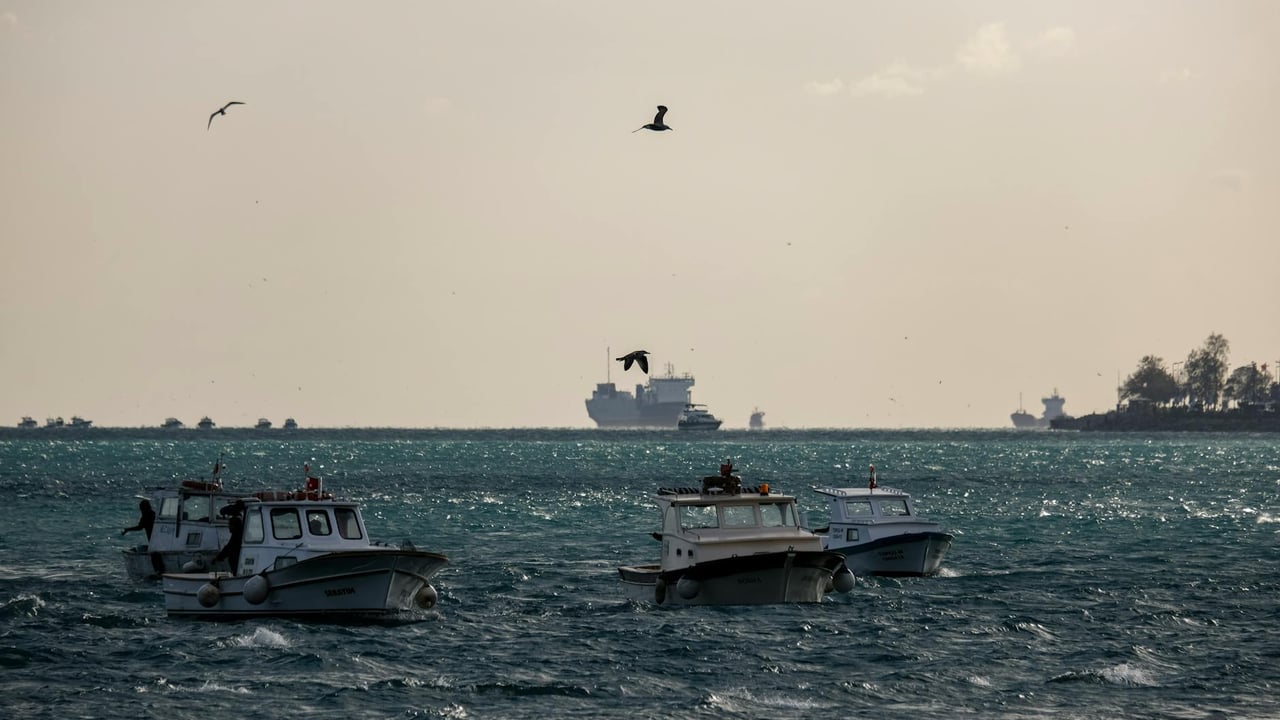
Central to this new military posture is the Strait of Hormuz, a critical chokepoint that carries nearly 20% of the world’s petroleum. The transition to an 'active response' mode increases the likelihood of normalized military friction in these waters, effectively turning the region into a permanent theater of high-intensity signaling. This intensification directly threatens global energy stability, as any disruption to the strait would likely trigger a surge in international oil prices and exacerbate global inflationary pressures.
As the United States finds itself caught between the necessity of maintaining regional hegemony and the domestic fatigue of 'forever wars,' Iran is betting on its own resilience. The leadership appears convinced that its years of surviving sanctions have forged a regime capable of outlasting Washington’s political will. This endurance-based strategy suggests that the standoff in the Middle East is entering a more volatile and unpredictable phase, defined by multi-front pressure and precision deterrence.