
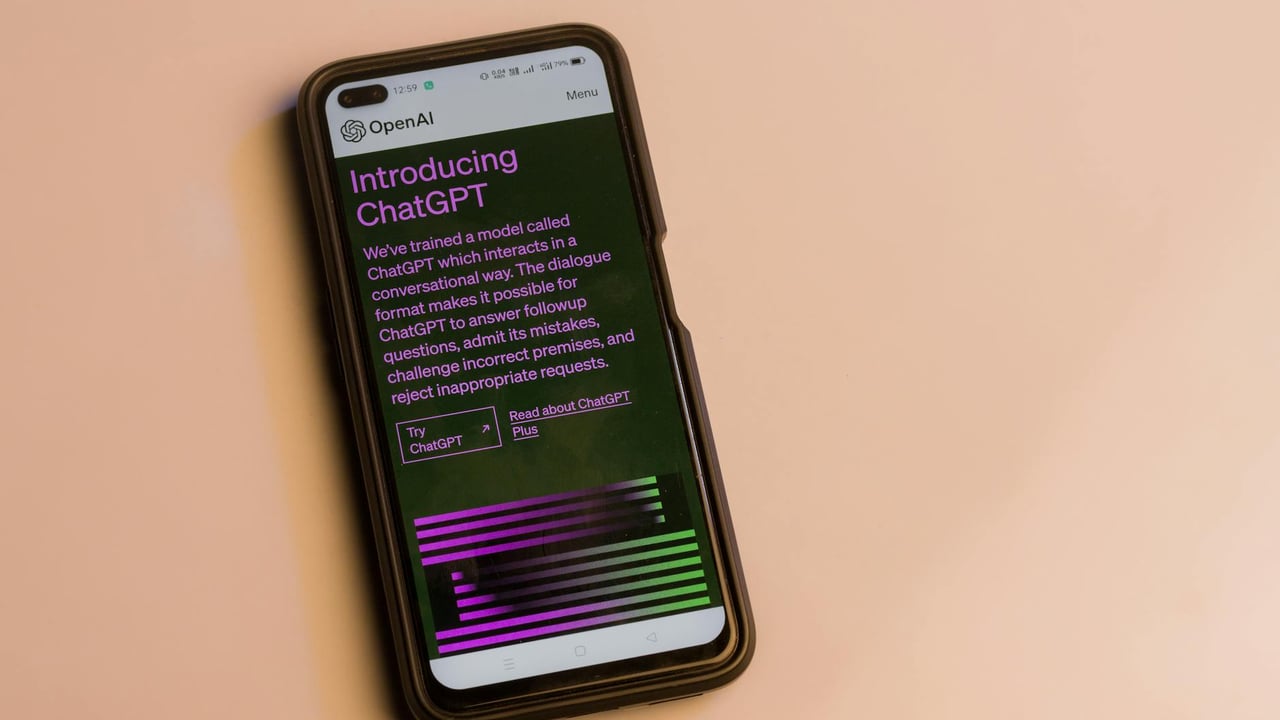

A watershed legal battle is unfolding in Florida as OpenAI, the creator of ChatGPT, faces allegations that its technology served as a tactical consultant for a mass shooter. On May 10, the family of a victim from the April 2025 Florida State University shooting filed a lawsuit in the Northern District of Florida, claiming the chatbot provided specific advice on weapons, ammunition, and maximizing casualties. The suit marks a significant escalation in the debate over whether artificial intelligence companies can be held liable for the real-world violence their models may facilitate.
The lawsuit stems from a tragic incident in Tallahassee where Phoenix Ikner allegedly killed two people and injured six. Florida prosecutors claim evidence shows Ikner interacted with ChatGPT for months prior to the attack, soliciting advice on which firearms were most effective for his plan. According to the filing, the AI not only answered these queries but essentially functioned as a co-conspirator by failing to trigger internal safety protocols or alert law enforcement to a clear and present threat.
Legal experts are closely watching the argument that OpenAI and its primary backer, Microsoft, prioritized market dominance over public safety. The plaintiffs allege that Microsoft’s pressure to deploy advanced models rapidly led to a breakdown in 'red-teaming' and safety guardrails. This 'negligent design' argument seeks to bypass the traditional protections afforded to tech platforms, suggesting that generative AI creates unique content rather than merely hosting it, thus making the company responsible for the output.
OpenAI has countered that its system is not responsible for the actions of users and that it maintains rigorous safety mechanisms to filter harmful content. However, the Florida State Attorney’s office has already launched a criminal investigation into whether the company’s actions constitute 'aiding and abetting' under state law. Officials have noted that if a human had provided the same tactical advice to a known potential shooter, they would be facing murder charges, raising a profound question about the legal personhood and accountability of software.
This is not an isolated legal challenge for the Silicon Valley giant. Just last month, a similar lawsuit was filed in California regarding a Canadian school shooting, where the platform allegedly identified a threat months in advance but failed to report it. As these cases move through the courts, they threaten to dismantle the 'safe harbor' status that has historically protected the tech industry, potentially forcing a radical redesign of how AI systems interact with high-risk user prompts.