The Price of Ambiguity: Why China’s Cardiovascular Giant Salubris is Crashing

Shenzhen Salubris Pharmaceuticals shares hit consecutive limit-down floors after its flagship heart failure drug failed to show statistically significant results in Phase II trials. The sell-off reflects growing investor impatience with China's biotech sector as companies struggle to transition from generics to true innovation.

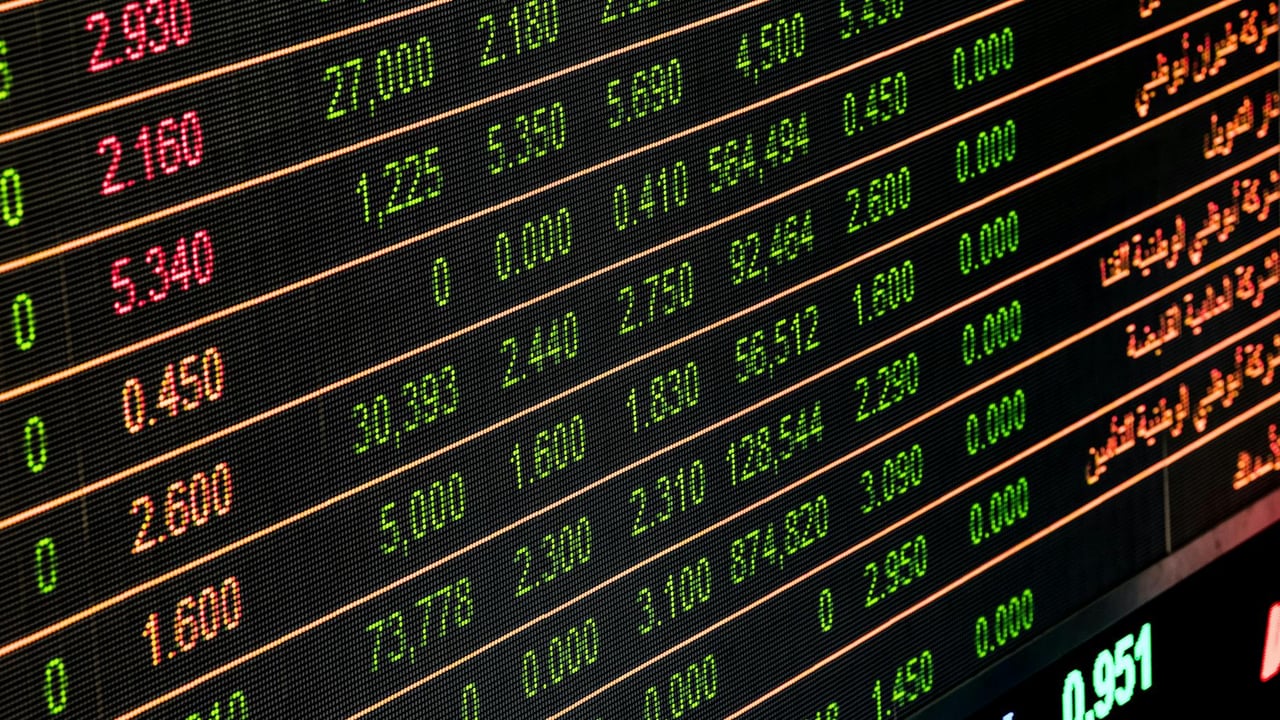
Detailed view of a stock market screen showing numbers and data, symbolizing financial trading.

Key Takeaways

  • 1Salubris stock dropped 20% over two days following disappointing interim data for the heart failure drug JK07.
  • 2The clinical trial showed an 'improvement trend' in heart function but failed to achieve statistical significance.
  • 3The company reported a 151-million-yuan R&D impairment and a decline in core net profit for 2025.
  • 4Institutional investors have initiated a large-scale sell-off, with net outflows reaching hundreds of millions of yuan.
  • 5Key innovation projects, including the S086 hypertension treatment, have faced significant delays into 2028.

Editor's
Desk

Strategic Analysis

The Salubris crash illustrates the 'Innovation Trap' currently haunting China's pharmaceutical industry. For years, domestic firms were rewarded by the market for simply announcing a shift from generics to innovative R&D. However, as the Chinese market matures and aligns more closely with global standards, investors are no longer satisfied with 'positive signals' or 'trends.' They demand statistical significance and a clear path to commercialization. Salubris’s attempt to sugarcoat mediocre Phase II data backfired, highlighting a broader shift in the A-share market where the 'innovation premium' is being replaced by a 'results-only' reality. This serves as a stark warning: the era of valuing Chinese biotech on potential alone is ending.

China Daily Brief Editorial
Strategic Insight
China Daily Brief

Shenzhen Salubris Pharmaceuticals, long considered a bellwether for China’s cardiovascular sector, has seen its market value evaporate over two harrowing days of trading. The company’s stock hit the 10% daily limit down on consecutive sessions following the release of interim Phase II clinical data for its flagship chronic heart failure treatment, JK07. While the company attempted to frame the results as a 'positive signal' with 'improvement trends' in cardiac function, the market reacted with sharp skepticism.

The volatility stems from the clinical trial's failure to reach statistical significance in its primary endpoints. For global investors accustomed to the rigors of international regulatory standards, the use of 'improvement trends' without statistically significant data often indicates a trial that has missed its mark. Salubris failed to explicitly state whether the primary endpoint was met, leading to a crisis of confidence among institutional stakeholders who are increasingly wary of biotech jargon.

This clinical setback arrives alongside a deteriorating financial narrative. The company’s 2025 performance report revealed a nearly 3% drop in net profit after non-recurring items and a substantial 151-million-yuan impairment charge on R&D expenditures. These figures suggest that the transition from high-margin generic drugs to high-risk innovative biologics is proving more expensive and less certain than the company’s previous guidance suggested.

Market data shows a massive institutional exodus, with major funds offloading hundreds of millions of yuan in shares. With key projects like the hypertension drug S086 now delayed until 2028, Salubris finds itself in a precarious 'valuation valley.' The company must now prove it can deliver more than just a pipeline of potential; it needs to deliver definitive clinical success to regain its status as an industry leader.

Share Article

Related Articles

📰
No related articles found