
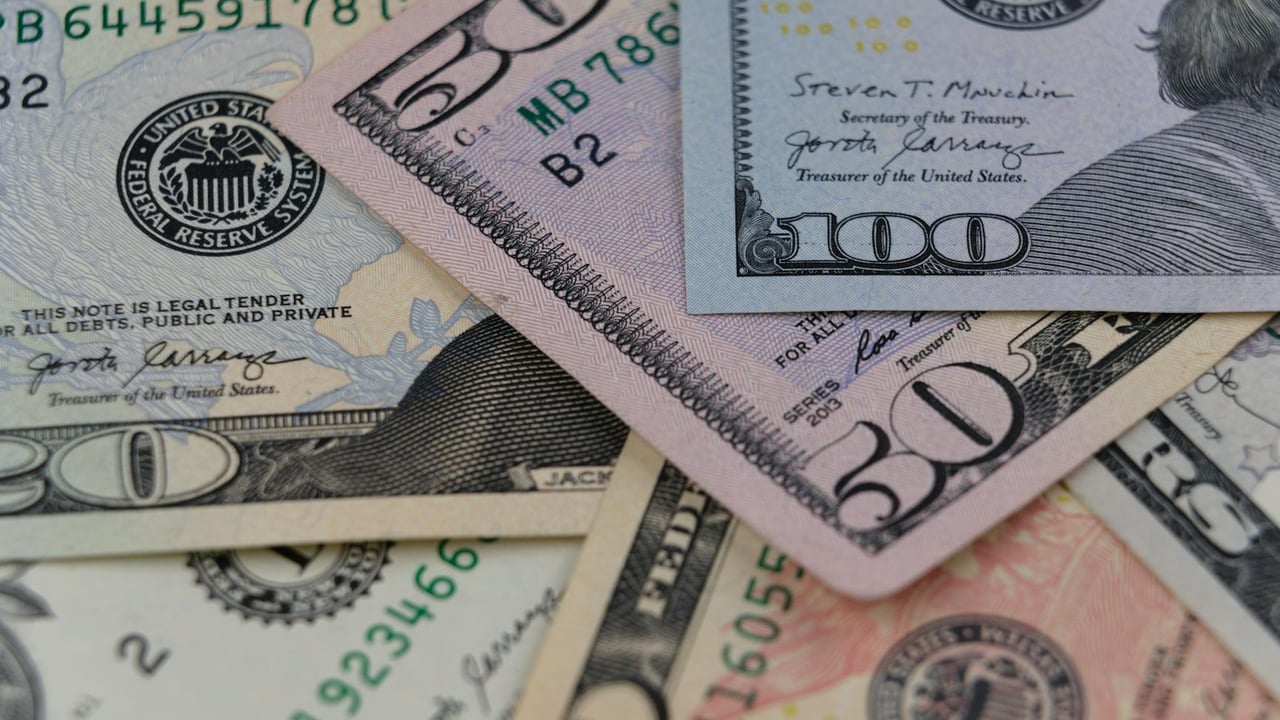

The narrative of a 'soft landing' for the American economy faced a harsh reality check this week as April’s Consumer Price Index (CPI) figures significantly overshot market expectations. With headline inflation hitting 3.8% year-on-year, the data suggests that the 'last mile' of the Federal Reserve’s inflation fight is proving to be a marathon rather than a sprint. This resurgence in price pressure has effectively halted the momentum of a cooling economy, signaling that the era of 'higher for longer' interest rates is far from over.
Most critically for the American consumer, this latest spike marks the first time in nearly three years that inflation has completely eclipsed wage growth. The erosion of real purchasing power is a symbolic and economic blow to a workforce that had only recently begun to feel the benefits of a tightening labor market. The 'energy-led' nature of this second shock, with Brent crude surging toward $108, indicates that supply-side volatility is once again dictating the pace of the domestic economy.
Global markets reacted with predictable volatility as the Nasdaq Composite tumbled below the 26,000 mark. The technology sector, particularly semiconductors and memory storage, bore the brunt of the sell-off as investors repriced the risk of prolonged capital costs. This sell-off reflects a growing consensus that the structural drivers of inflation—ranging from energy insecurity to the costs of decoupling supply chains—are more entrenched than previously modeled.
From a geopolitical perspective, the inflationary trend in the United States complicates the global economic outlook, particularly for major trading partners like China. As the US dollar remains bolstered by high interest rates, the resulting capital flight from emerging markets and the pressure on the Yuan create a challenging environment for Beijing's own recovery efforts. The spillover effect of American monetary policy remains the single most influential variable for global financial stability.