The AI Hangover: Global Chip Stocks Retreat as Investors Weigh Returns Against Geopolitical Risk

U.S. markets saw a broad retreat in technology and semiconductor stocks as investors engaged in profit-taking following a significant rally. Despite the ongoing AI boom, disappointing corporate earnings and warnings about over-concentration in Asian tech markets have introduced a new layer of caution for global investors.

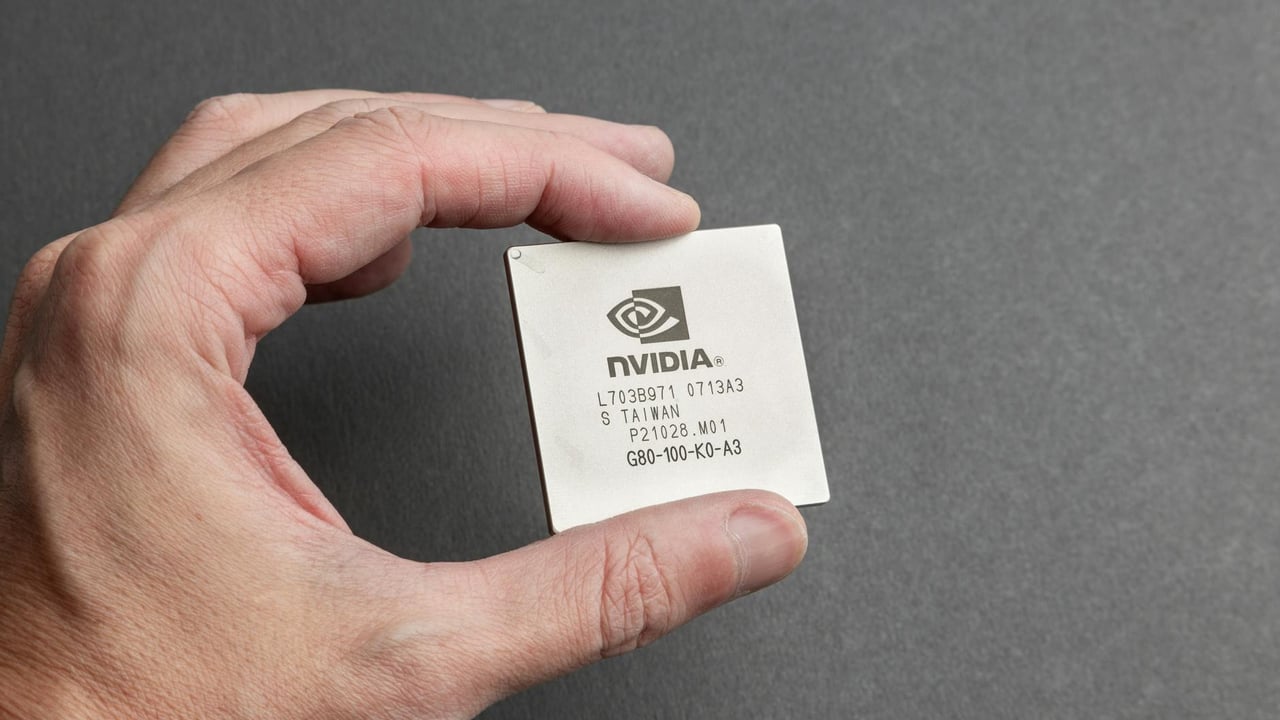
A close-up view of a person holding an Nvidia chip with a gray background.

Key Takeaways

  • 1The Nasdaq Composite led a market decline, falling 0.73% as major chip stocks experienced a broad sell-off.
  • 2Semiconductor giants Intel, Qualcomm, and Micron all saw significant price drops following several days of consecutive gains.
  • 3Under Armour shares fell 15% on weak 2026 revenue forecasts, highlighting broader consumer market weakness.
  • 4Analysts are cautioning against a 'double risk' scenario as global capital shifts toward Asian tech hubs amidst geopolitical uncertainty.
  • 5Corporate earnings show a trend of rising costs, with JD.com reporting a 50% drop in net profit despite strong top-line revenue.

Editor's
Desk

Strategic Analysis

The current retreat in chip stocks represents more than a simple technical correction; it is a symptom of 'AI fatigue' in a market that has increasingly priced in perfection. As industry leaders emphasize the necessity of U.S. technological dominance, the reality of trade restrictions and the immense operational costs of AI infrastructure are beginning to temper investor enthusiasm. The migration of capital toward Asian tech stocks, while intended as a diversification strategy, may inadvertently expose investors to heightened regional volatility. This creates a synchronized risk environment where both Western and Eastern tech holdings are vulnerable to the same macroeconomic shocks, regardless of their position in the supply chain.

China Daily Brief Editorial
Strategic Insight
China Daily Brief

U.S. equity markets opened lower on Tuesday, led by a sharp correction in the semiconductor sector that signaled a cooling of the recent artificial intelligence-driven rally. The Nasdaq Composite dropped 0.73% at the opening bell, while the S&P 500 and Dow Jones Industrial Average followed suit with more modest declines. This downward pressure comes after a period of sustained gains, suggesting that investors are beginning to reassess the sustainability of current valuation peaks.

Major semiconductor bellwethers were at the center of the sell-off, with Intel and Qualcomm both shedding roughly 4% in early trading. Micron Technology and AMD also retreated, falling 3% and 2% respectively, as the market moved to digest recent gains. The broad-based nature of the decline indicates a shift toward caution, even as some individual players like Nvidia continue to test record highs amidst a complex landscape of supply chain shifts and shifting manufacturing partnerships.

The volatility is not confined to the hardware sector, as evidenced by consumer-facing firms reporting significant headwinds. Under Armour saw its shares plummet by 15% after forecasting a 4% decline in revenue for fiscal year 2026, a reminder that the broader economy remains sensitive to inflationary pressures. Meanwhile, in the tech world, the costs of maintaining growth are becoming apparent, with e-commerce giant JD.com reporting a halving of its net profit despite a robust revenue increase.

Geopolitical considerations continue to loom large over market sentiment, particularly within the high-tech corridor between the U.S. and Asia. Recent statements from industry leaders regarding the necessity of maintaining U.S. technological leadership have underscored the risks of trade restrictions. As capital increasingly flows into Asian tech stocks, analysts are warning of a 'double risk' where investors face the dual threats of high-valuation corrections and localized regional volatility.

Share Article

Related Articles

📰
No related articles found