
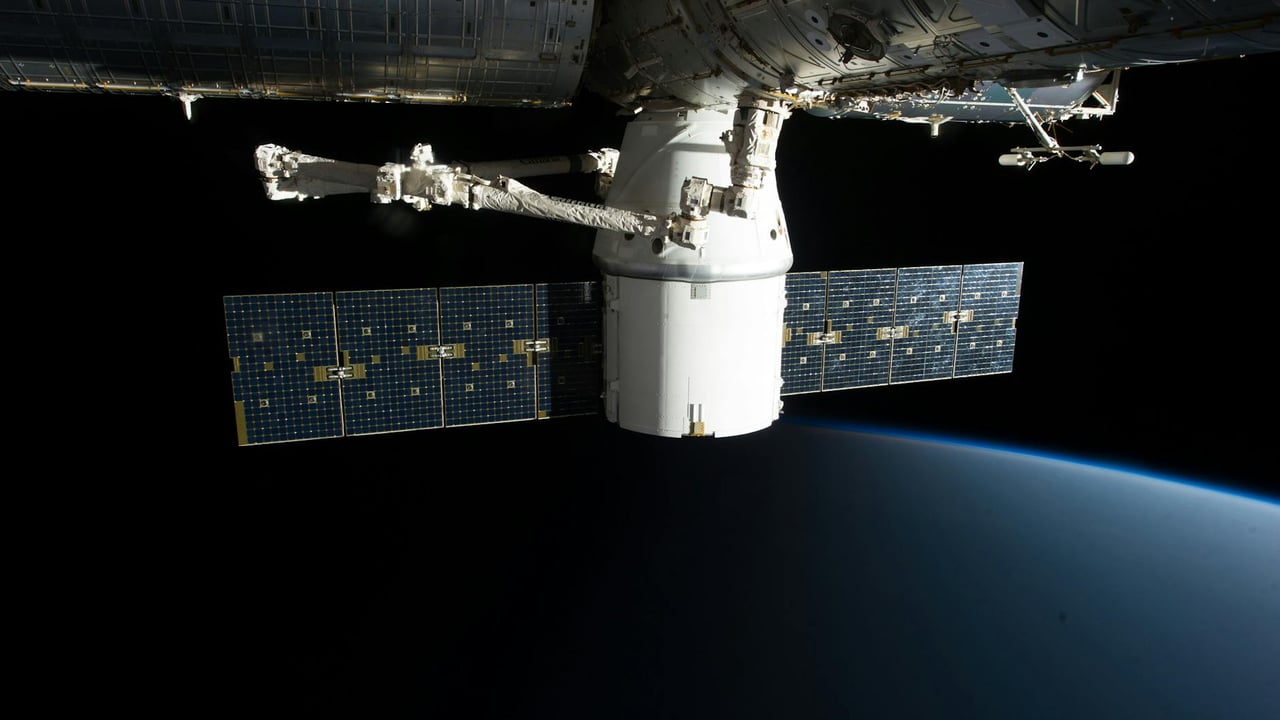

The terrestrial boundaries of the digital world are increasingly under strain as big tech looks to the stars for its next infrastructure leap. Google is currently in high-level negotiations with SpaceX to secure launch capabilities for its nascent "orbital data center" initiative. This move signals a strategic shift from the power-hungry, land-intensive servers of Earth toward a decentralized computing architecture based in low Earth orbit.
Project Suncatcher, Google’s internal venture, aims to launch prototype satellites by 2027 in partnership with Planet Labs. CEO Sundar Pichai has suggested that within a decade, housing compute racks in space could become the industry standard for cloud infrastructure. This ambition is fueled by the desire to bypass the rising costs and regulatory hurdles associated with building mega-scale data centers on solid ground.
SpaceX, led by Elon Musk, finds itself in a complex position as both an essential utility and a looming competitor. While Google holds a 6.1% stake in the rocket company, SpaceX is simultaneously developing its own orbital computing services to bolster its valuation ahead of a record-breaking initial public offering. The partnership represents a "frenemy" dynamic where Google must rely on Musk’s rockets to deploy a technology that may eventually compete with SpaceX’s proprietary services.
The industry-wide interest in space-based processing is gaining significant momentum beyond these two giants. Nvidia recently signaled its intentions by recruiting orbital system architects to design chips capable of surviving the harsh vacuum of space. Meanwhile, AI powerhouse Anthropic has expressed interest in utilizing SpaceX’s hardware for orbital compute, underscoring a collective belief that the future of large language models may rely on energy harvested directly from the sun.
Despite the enthusiasm, the engineering hurdles remain formidable. Critics point out that while space provides natural cooling through ambient temperatures, the vacuum environment makes heat dissipation through traditional means impossible, necessitating complex thermal management systems. Furthermore, the economic viability of mass-producing and launching heavy compute hardware at scale remains unproven, leaving many to wonder if this is a genuine technological shift or a high-stakes play for investor sentiment.