
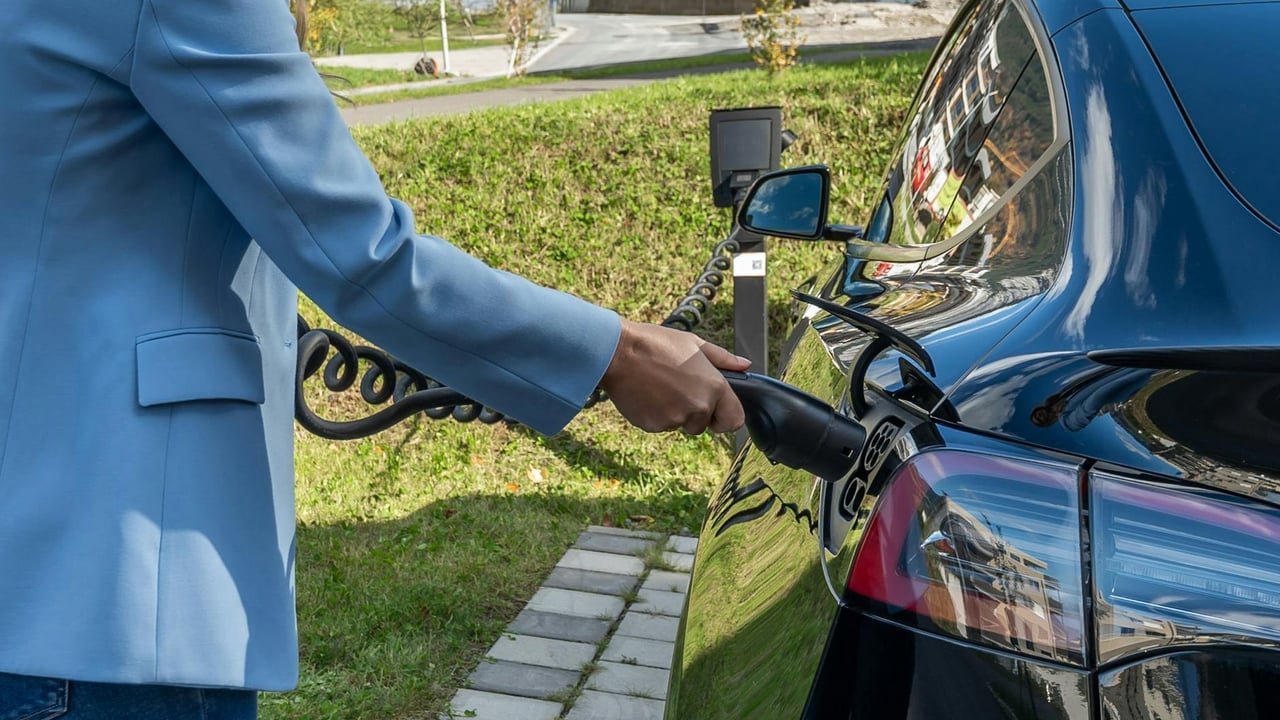

Xi’an, the historic gateway to the Silk Road, is aggressively retooling its industrial identity to become a global leader in the next generation of mobility. The municipal government recently unveiled an ambitious 'Implementation Plan for the High-Quality Development of the Intelligent Connected New Energy Vehicle (ICV-NEV) Industry Chain.' This roadmap sets a clear target: by 2030, the city aims to generate a staggering 310 billion RMB ($43 billion) in industrial output from the smart vehicle sector.
The timing of this initiative is no accident. Xi’an is currently chasing an ambitious GDP target of 2 trillion RMB by 2030, a milestone that would place it among China’s elite economic powerhouses like Chengdu and Hangzhou. To reach this '2-trillion club,' city planners recognize that traditional manufacturing is no longer sufficient. Following a recent 11.2% dip in automotive value-added growth during the first quarter, the city is pivoting from simple assembly to a high-tech ecosystem focusing on 'Vehicle-Road-Cloud' integration.
The plan outlines a comprehensive overhaul of the local supply chain. Beyond just assembling frames, Xi’an is targeting an annual production of 1.55 million vehicles, while simultaneously building a 40-billion-RMB power battery industry and a 18-billion-RMB sector for 'new-type' high-tech components. This includes a heavy focus on L3 autonomous driving capabilities and the development of localized chipsets and advanced materials. By leveraging its vast network of universities and research institutes, the city hopes to foster an 'innovation center' that incubates start-ups and converts academic research into commercial automotive technology.
Xi’an’s gamble is part of a broader national trend where Chinese provincial capitals are racing to secure 'new quality productive forces.' While Guangzhou targets AI large-language models and Shanghai invests 55 billion RMB in a 'Super Waterway' to boost logistics, Xi’an’s focus remains squarely on the synergy between electronics, new materials, and smart transportation. If successful, the city will not only stabilize its industrial base but also redefine itself as a critical node in the global high-tech supply chain.