
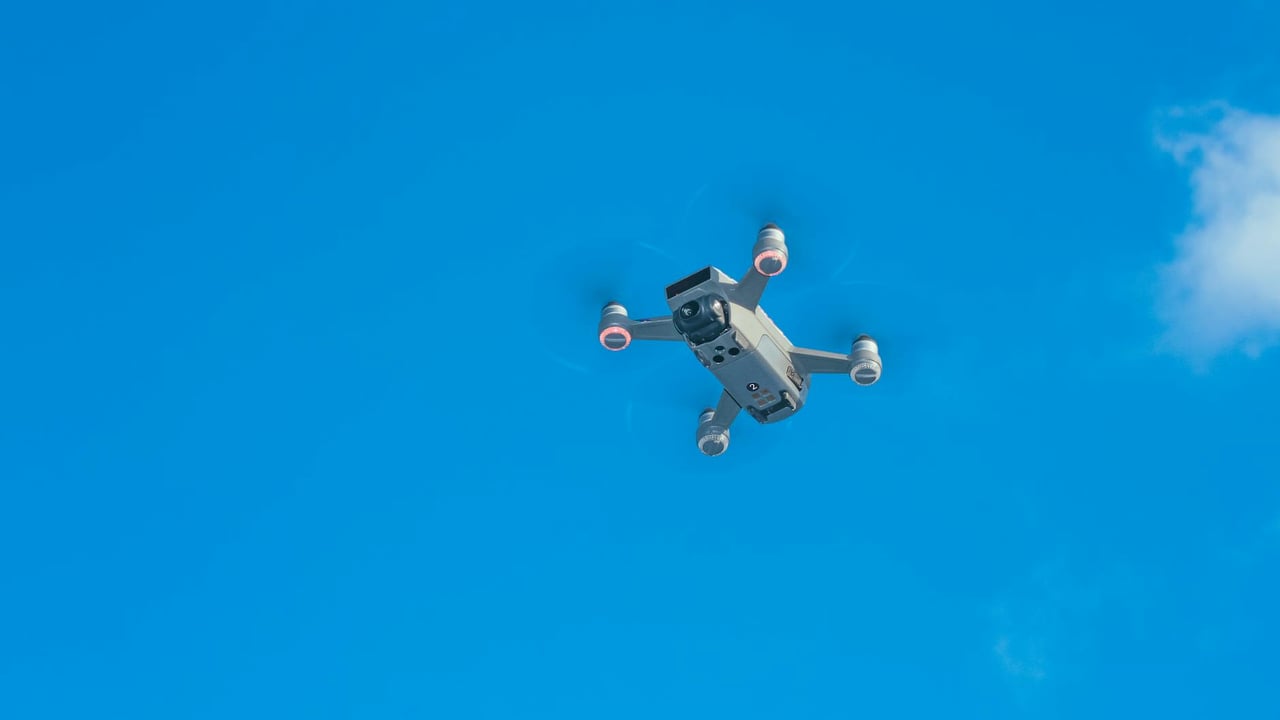

The landscape of modern warfare is shifting as Germany and Ukraine solidify a defense partnership to mass-produce long-range unmanned aerial vehicles (UAVs). These advanced systems, boasting a 1,500-kilometer range, represent a significant leap in Kyiv's ability to strike deep within hostile territory. By integrating German precision engineering with Ukrainian frontline experience, the joint venture aims to create a sustainable domestic production line that reduces reliance on fluctuating Western military aid cycles.
This development comes at a critical juncture in the conflict, where the balance of power is increasingly defined by the ability to disrupt logistics and infrastructure far behind the contact line. Until now, Ukraine’s deep-strike capabilities were largely restricted by the political sensitivities surrounding the use of Western-supplied missiles on Russian soil. This joint production model effectively bypasses those hurdles, providing Kyiv with a potent, 'home-grown' strategic deterrent that carries a German technical pedigree but a Ukrainian serial number.
A 1,500-kilometer radius brings a vast array of strategic assets into play, including major Russian energy hubs, command centers, and military airfields that were previously considered beyond reach. The deployment of these drones forces an adversary to significantly overextend its air defense networks, pulling critical assets away from the front lines to protect the industrial heartland. This tactical dilution could create the very operational gaps that Ukrainian ground forces need to regain momentum in contested regions.
Beyond the immediate tactical gains, the partnership signals a long-term shift in the European security architecture. Berlin’s willingness to transfer high-end manufacturing capabilities to a country at war demonstrates a move toward a more integrated and resilient continental defense industrial base. As these drones begin to roll off the assembly lines, they do more than just deliver explosives; they cement a lasting military-industrial alliance that will persist long after the current kinetic phase of the war concludes.