

The U.S. Air Force has entered a new chapter in unmanned aerial combat following the successful test-firing of the Advanced Precision Kill Weapon System (APKWS) from an MQ-9A Reaper. This test, conducted against aerial targets, signals a strategic pivot for the venerable platform. Long known as a tool for ground-based counter-terrorism, the Reaper is now being repurposed to address the burgeoning threat of low-cost suicide drones.
The necessity for this evolution is rooted in the harsh economic reality of modern warfare. In recent conflicts, particularly across the Middle East, the U.S. and its allies have often found themselves using million-dollar interceptors to down drones that cost only a few thousand dollars. This 'cost-asymmetry' is an unsustainable financial burden that the 70mm laser-guided APKWS aims to rectify by providing a surgical, low-cost alternative.
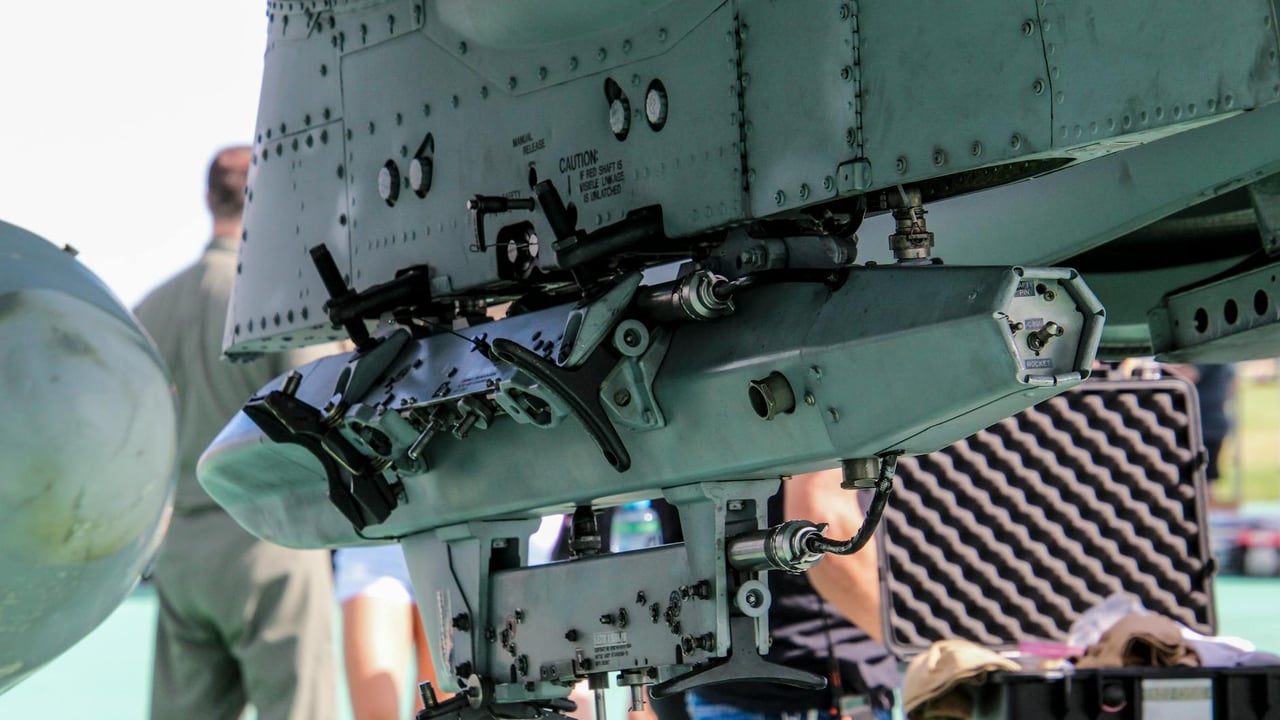
Technically, the conversion relies on the AGR-20F variant of the APKWS II, specifically optimized as a fixed-wing, air-launched counter-unmanned aerial system (C-UAS) munition. By integrating proximity fuzes and refined laser guidance, the system allows the Reaper to carry significantly more ammunition than traditional Hellfire or Sidewinder missiles. A standard pod can hold seven rockets, while larger configurations could theoretically boost a single drone's capacity to dozens of interceptors.
General Atomics, the manufacturer of the MQ-9, is also extending these capabilities to newer platforms like the Mojave STOL (Short Take-Off and Landing) drone. Using multi-mode radar and infrared sensors, these aircraft can detect and track slow-moving loitering munitions, such as the Iranian-designed Shahed series. Recent simulations suggest these drones could serve as persistent 'picket lines,' guarding forward operating bases or naval assets from swarm attacks.
However, the strategy is not without its vulnerabilities. While the Reaper offers extreme endurance and lower operating costs than fighter jets, its survivability in contested airspace remains a major concern. Recent losses in the Middle East have highlighted that while the Reaper is an excellent 'drone hunter' against low-tech adversaries, it remains susceptible to sophisticated air defense systems in high-intensity conflict zones.