

A generational shift is sweeping through China’s innovation hubs, from the high-tech corridors of Shenzhen to the academic clusters of Beijing’s Haidian district. While the previous era of Chinese tech was defined by internet moguls like Tencent’s Pony Ma or ByteDance’s Zhang Yiming, a new cohort of 'Post-95' founders is bypassing the consumer app gold rush in favor of 'hard tech' and fundamental science. These entrepreneurs, born after 1995, are coming of age at a moment when the geopolitical stakes for technological self-reliance have never been higher.
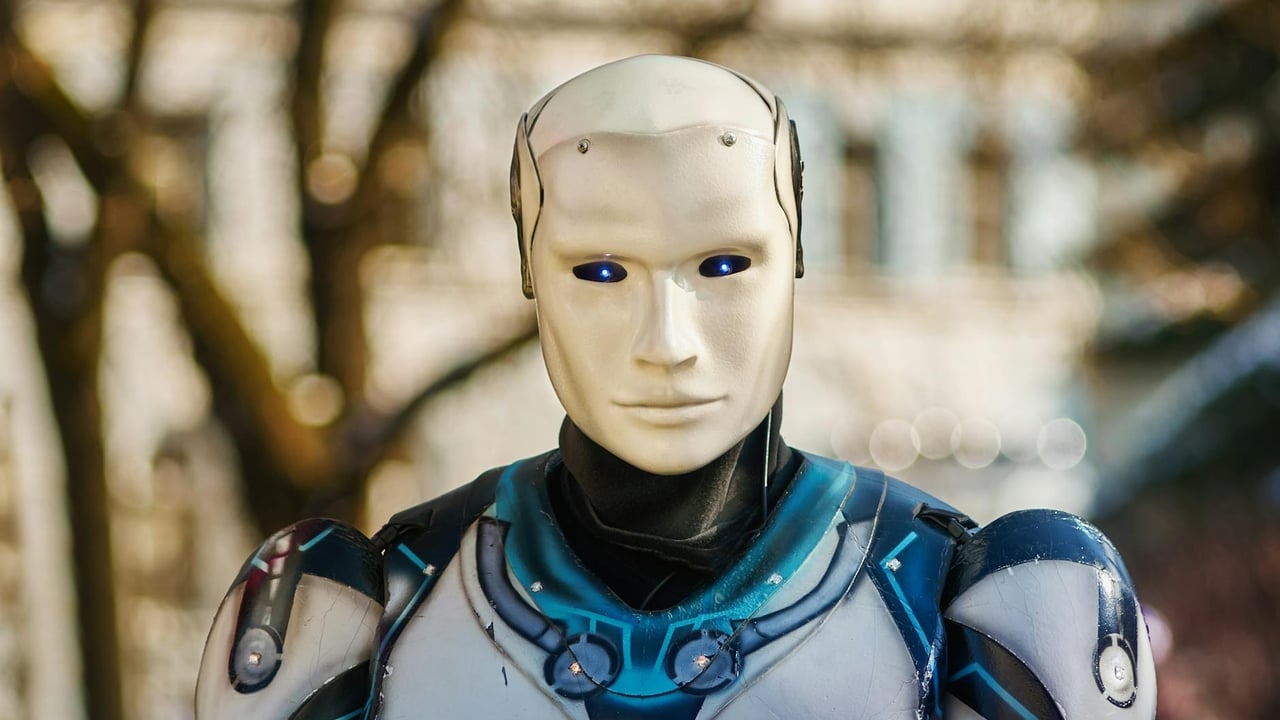
Unlike the self-taught coders of the early 2000s, this new vanguard is characterized by elite academic pedigree and deep technical expertise. Many are PhDs and researchers from top-tier institutions like Tsinghua, Stanford, and MIT who are translating complex theories into commercial ventures. Figures like Jiang Zheyuan, a Tsinghua doctoral student who founded Songyan Power, are developing humanoid robots that recently debuted on national stages, signaling a move from the lab to the factory floor at breakneck speed.
Capital is aggressively chasing this demographic, with top-tier firms like Sequoia China, IDG, and Ant Group pouring billions into their ventures. In 2025 alone, enterprises founded by this generation in the hard-tech sector secured funding approaching 10 billion yuan, with a significant portion of these deals exceeding 100 million yuan each. This financial backing suggests a long-term bet by the venture community on technologies that offer strategic value, such as photonics, satellite computing, and eVTOL aircraft.
This generation is also reflexively global, viewing the entire world rather than just the domestic market as their sandbox. From Liu Kelu’s HungryPanda, which dominates the overseas Chinese food delivery market, to Guo Wenjing’s AI video generator Pika in Silicon Valley, these founders are building businesses that are internationally competitive from day one. They are not merely exporting Chinese products; they are exporting Chinese efficiency and engineering talent into the heart of Western tech ecosystems.
The most visible frontier of this rise is in robotics and artificial intelligence, where Chinese founders are drastically lowering the barriers to entry. Startups like Inks and Titan Robot are commoditizing high-performance robot joints and components, reducing costs to a fraction of traditional imports. This vertical integration is precisely what led Elon Musk to remark that his most formidable competition in the humanoid robot race would inevitably come from China.
Ultimately, the rise of the Post-95 CEO represents more than just a demographic milestone; it is the maturation of China's innovation model. By moving into 'no-man’s lands' like 3D generative AI and edge computing, these young founders are positioning themselves not as followers of Silicon Valley, but as the architects of the next technological era. Their success or failure will likely determine whether China can successfully transition from a manufacturing giant to a global deep-tech hegemon.