
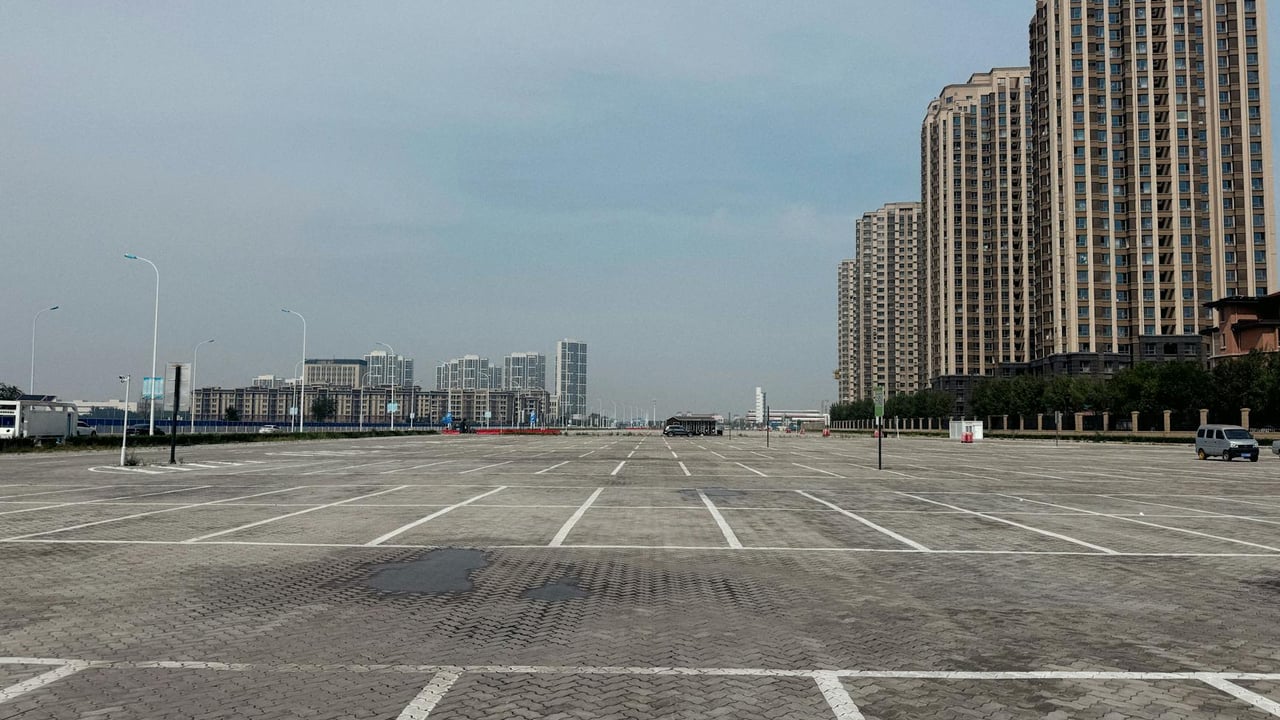

For years, the engines of Chinese economic growth were fueled by a seemingly endless cycle of construction and pre-sales. Today, that engine has stalled, leaving a landscape of unsold residential towers and half-empty commercial blocks. In a decisive shift from stimulating buyer demand to managing stagnant supply, China’s tier-one and tier-two cities are now deploying state-backed capital to buy back the excess.
Following high-level directives from the Politburo and the State Council, major hubs including Guangzhou, Suzhou, and Tianjin have moved to accelerate the 'clearing of inventory.' These local governments are no longer just asking developers to lower prices; they are stepping onto the balance sheet themselves. State-owned enterprises (SOEs) are being encouraged to acquire unsold housing stocks, effectively converting private sector debt into public social infrastructure.
What is striking about this latest wave of policy is the broadening scope of the 'repurposing' strategy. While earlier efforts focused narrowly on low-income rental housing, the new mandates allow for these assets to be transformed into talent apartments, youth hostels, and specialized elderly care facilities. In Suzhou, even industrial enterprises are being incentivized to swap their land or assets for these residential inventories to facilitate relocation and urban renewal.
Commercial and office properties—long the stepchildren of the property crisis—are also seeing a policy lifeline. In Guangzhou and Zhongshan, authorities are relaxing zoning restrictions to allow vacant office buildings to be converted into medical clinics, schools, and cultural venues. This 'non-residential to residential' transition represents a significant regulatory pivot, aimed at breathing life into districts where commercial demand has evaporated post-pandemic.
To fund these acquisitions, the central government is tightening the link between financial stability and urban management. Banks are being encouraged to issue specialized loans for group housing purchases, while SOEs are gaining approval to issue bonds specifically for inventory buybacks. This financial plumbing is essential for moving the needle, as the sheer volume of unsold inventory across China’s secondary and tertiary cities remains a multi-trillion yuan headache.