
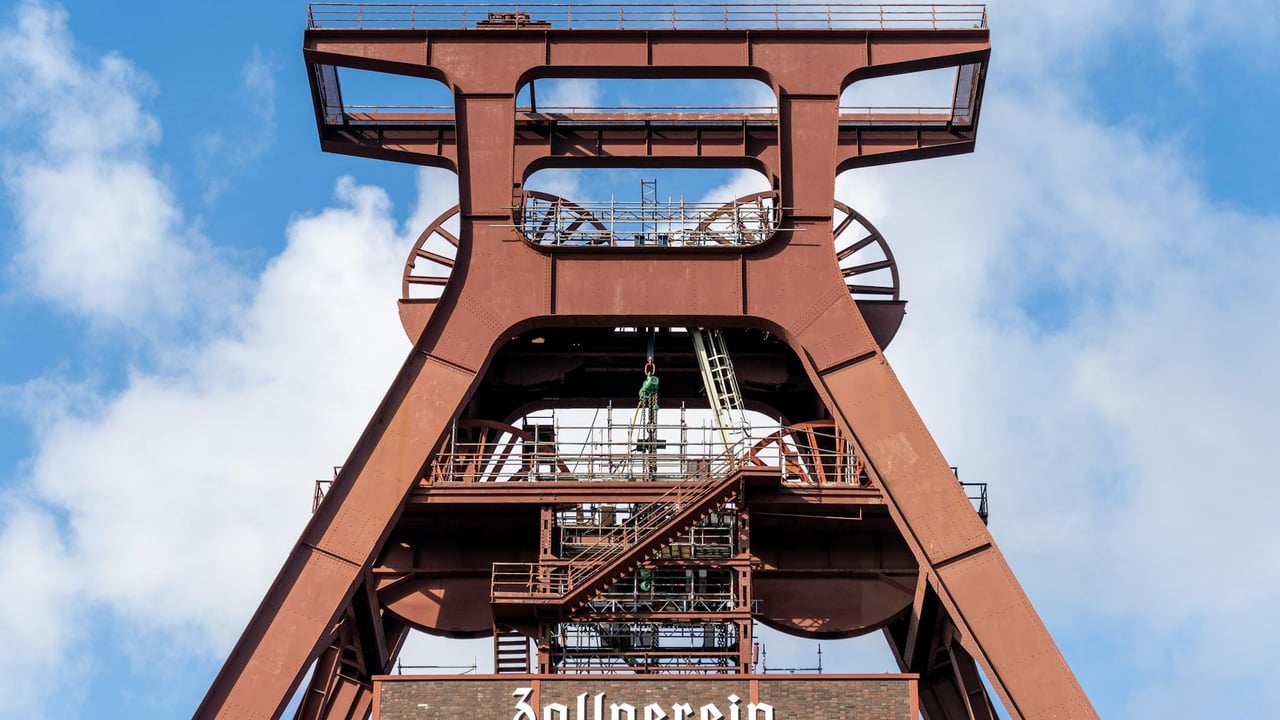

ThyssenKrupp, the titan of German industry, has become a poignant bellwether for the continent's deepening economic anxieties. On May 12, the steelmaker announced a significant downward revision of its sales forecast for the fiscal year, citing the cascading effects of escalating conflict in the Middle East. This geopolitical friction has sent shockwaves through energy markets, directly impacting the bottom line of one of Europe’s most energy-intensive manufacturers.
For the first half of the 2025-2026 fiscal year, the company reported revenues of €15.5 billion, representing a 5% decline year-on-year. This was accompanied by a sobering net loss of €345 million, reflecting a harsh operating environment where costs are rising just as demand is cooling. The previous hope for a modest recovery has evaporated, with sales projections adjusted from a potential 1% growth to a definitive outlook of stagnation or contraction.
The driver of this downturn is a classic case of stagflationary pressure. Rising energy prices, triggered by regional instability, have increased production costs while simultaneously eroding the purchasing power of consumers and industrial clients. Key sectors that ThyssenKrupp serves, most notably the automotive and construction industries, are pulling back as global growth slows and inflationary pressures persist.
This crisis highlights Europe’s structural vulnerability to external shocks. Unlike other major economies, the European industrial base remains heavily tethered to energy imports, making its manufacturing core particularly sensitive to geopolitical volatility. The ongoing uncertainty is not merely a short-term balance sheet problem; it is actively corroding the investment climate in Germany, potentially delaying the long-term modernization efforts required to keep the nation's industry competitive on a global scale.