Blue Origin Breaks the Billionaire Bubble: Why Bezos Is Finally Opening the Doors to Outside Investors

Blue Origin is reportedly seeking external investment for the first time to fund a surge in launch frequency. Following the success of the New Glenn rocket, the move signals a shift from a Jeff Bezos-funded project to a commercially competitive aerospace giant.

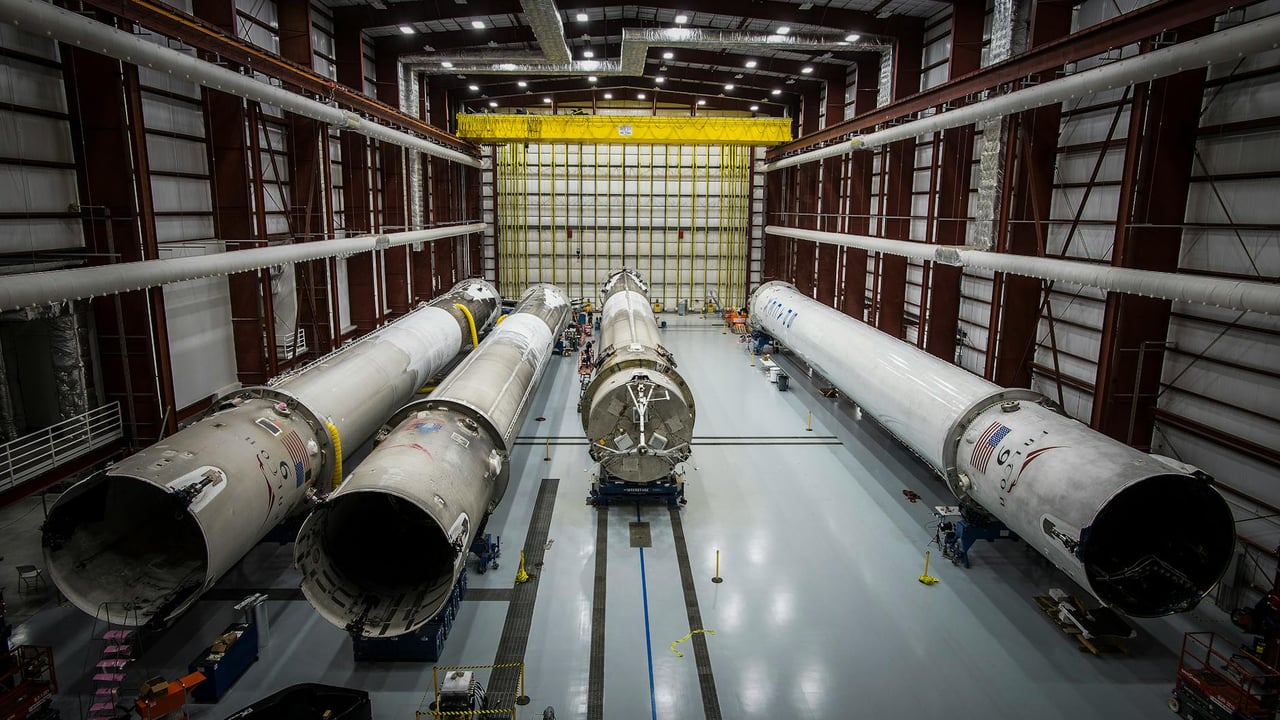
Various huge metal details and fragments of unfinished rocket located in contemporary assembly factory

Key Takeaways

  • 1Blue Origin is considering its first-ever external funding round to scale operations.
  • 2CEO Dave Limp states that the capital needed for increased launch frequency exceeds the capacity of a single investor.
  • 3The 98-meter New Glenn heavy-lift rocket successfully reached orbit in January 2025.
  • 4Annual expenditures for 2026 are estimated at $4.8 billion, with total historical investment reaching nearly $28 billion.

Editor's
Desk

Strategic Analysis

This marks a watershed moment in the 'Billionaire Space Race.' For years, Blue Origin operated as a protected 'passion project' of Jeff Bezos, shielded from the quarterly scrutiny and risk-aversion of external shareholders. However, the successful launch of New Glenn has moved the company into the 'execution' phase where it must compete with SpaceX for multi-billion dollar government and commercial contracts. By seeking external funding, Blue Origin is not just looking for cash; it is building a coalition of institutional stakeholders to validate its valuation and prepare for a potential eventual public offering, signaling that space is no longer a hobby but a mature industrial sector.

China Daily Brief Editorial
Strategic Insight
China Daily Brief

Blue Origin, the aerospace venture founded by Jeff Bezos, is reportedly preparing to seek its first external funding round. CEO Dave Limp signaled a strategic pivot, acknowledging that the capital required to scale launch frequencies is now beyond the capacity of even the world’s wealthiest individuals. This move marks a fundamental shift from a decade of private patronage toward a traditional corporate financing model.

The urgency for new capital follows the successful orbital debut of the New Glenn rocket in January 2025. This 98-meter heavy-lift vehicle is the cornerstone of Blue Origin's plan to challenge SpaceX’s dominance in the commercial satellite market. To maintain a competitive launch cadence, the company must now transition from experimental development to industrial-scale manufacturing and operations.

Financial estimates highlight the staggering cost of modern spacefaring. According to Washington-based consultancy Capstone, Blue Origin’s annual expenditures are projected to reach $4.8 billion in 2026, with cumulative investment since its inception nearing $28 billion. By opening its books to external partners, the company aims to diversify its risk while accelerating its reach into deep-space logistics.

Share Article

Related Articles

📰
No related articles found