The End of the Bezos Bankroll: Blue Origin Seeks Outside Capital to Rival SpaceX

Jeff Bezos’s Blue Origin is reportedly seeking its first external funding round to support an ambitious launch schedule for its New Glenn rocket. The move signals a transition from a founder-funded model to a traditional corporate structure, aiming to capitalize on the high investor valuations currently surrounding the commercial space industry.

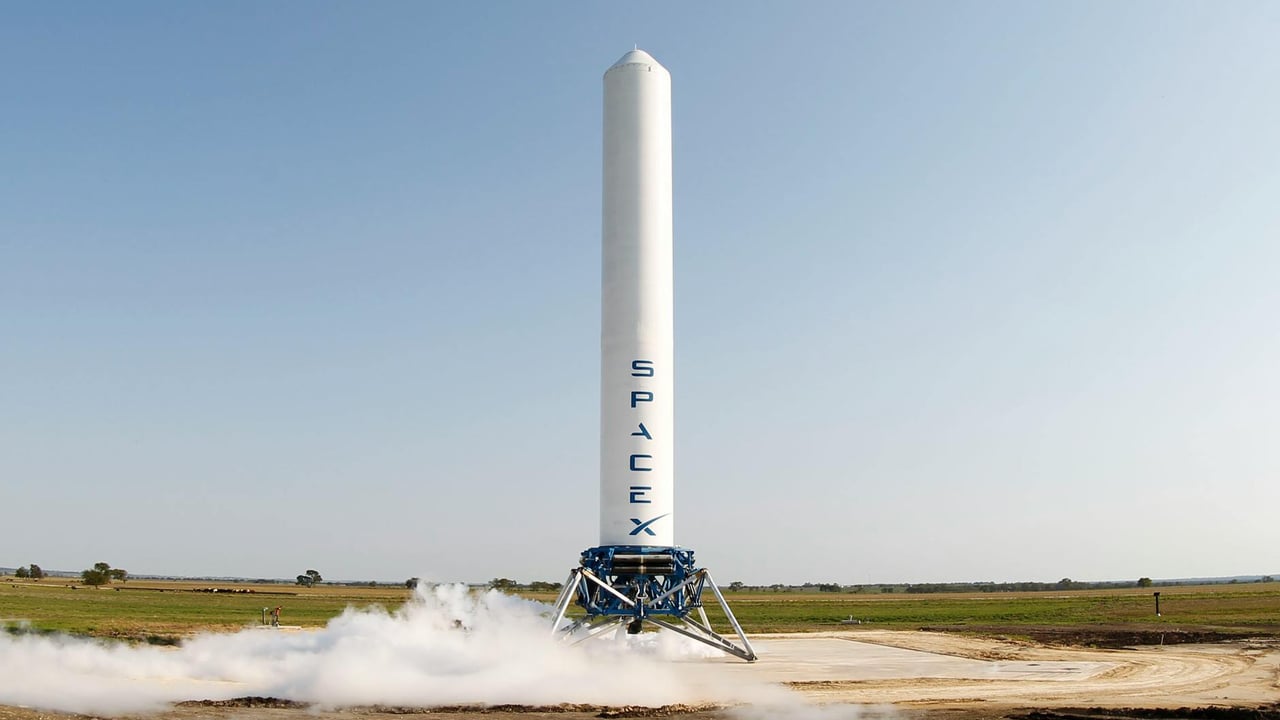
A SpaceX rocket prepares for launch in a rural landscape, capturing a sense of technological advancement.

Key Takeaways

  • 1Blue Origin is considering its first external investment round to fund massive capital expenditures.
  • 2CEO Dave Limp states that scaling launch frequency for the New Glenn rocket requires capital beyond the scope of a single investor.
  • 3The company seeks to leverage market enthusiasm generated by SpaceX’s rumored IPO and high valuation.
  • 4Annual spending for Blue Origin is projected to hit $4.8 billion in 2025, with total investment since 2000 reaching $280 billion.

Editor's
Desk

Strategic Analysis

Blue Origin’s shift toward external financing marks a maturation point for the entire New Space economy. For years, the company was criticized for its 'gradatim ferociter' (step by step, ferociously) approach, which many saw as too slow compared to SpaceX’s rapid iteration. By seeking outside capital, Blue Origin is essentially admitting that the race for orbital dominance and lunar contracts has become too expensive for even the wealthiest individuals to self-fund. This move will likely force greater transparency and operational discipline within the company, while providing a long-awaited 'pure-play' investment alternative for those looking to hedge against SpaceX's market dominance.

China Daily Brief Editorial
Strategic Insight
China Daily Brief

For over two decades, Blue Origin operated as the ultimate private venture, fueled almost exclusively by the personal fortune of Amazon founder Jeff Bezos. That era of isolation is reportedly coming to an end. Sources indicate that Blue Origin is preparing for its first-ever external funding round, a strategic pivot designed to scale its operations and tap into the surging investor appetite for the commercial space sector.

This decision is largely driven by the operational success of the New Glenn rocket. Following the heavy-lift vehicle’s successful orbital flight in January 2025, CEO Dave Limp has set an aggressive course to increase launch frequency. To achieve the necessary economies of scale, the company requires a level of capital infusion that even the world’s second-richest man is hesitant to provide alone.

The timing of this move is no coincidence. As Elon Musk’s SpaceX moves closer toward a potential public offering, the valuation benchmarks for private aerospace firms are reaching historic highs. Blue Origin is positioning itself to capture this 'SpaceX effect,' offering institutional investors a credible alternative in the heavy-lift market at a moment when space infrastructure is becoming a critical asset for global telecommunications and defense.

However, the financial stakes are daunting. Washington-based consultancy Capstone estimates that Blue Origin’s annual expenditures will reach approximately $4.8 billion this year, bringing the company’s cumulative investment since its founding to nearly $280 billion. By opening its books to external partners, Blue Origin is moving beyond its identity as a founder’s passion project and into its next phase as a competitive, market-driven industrial power.

Share Article

Related Articles

📰
No related articles found