

China’s equity markets reached a historic milestone on Wednesday as the ChiNext Index, the country’s tech-heavy growth board, surged 2.63% to close at a record high of 4,038.33. This rally marks a significant psychological breakthrough for the mainland markets, signaling a robust appetite for high-growth sectors despite broader global economic uncertainties. The Shanghai Composite and Shenzhen Component also posted gains, finishing up 0.67% and 1.67% respectively, as domestic sentiment remains overwhelmingly bullish.
The scale of participation in the current rally is nearly unprecedented, with total market turnover across the three major exchanges reaching 3.26 trillion RMB ($450 billion). While this represented a marginal decrease of 5.5 billion RMB from the previous session, the sustained multi-trillion-dollar liquidity suggests a structural shift in how domestic capital is being deployed. Investors are increasingly rotating out of traditional safe havens and real estate into equities, specifically targeting sectors aligned with Beijing’s long-term strategic industrial goals.
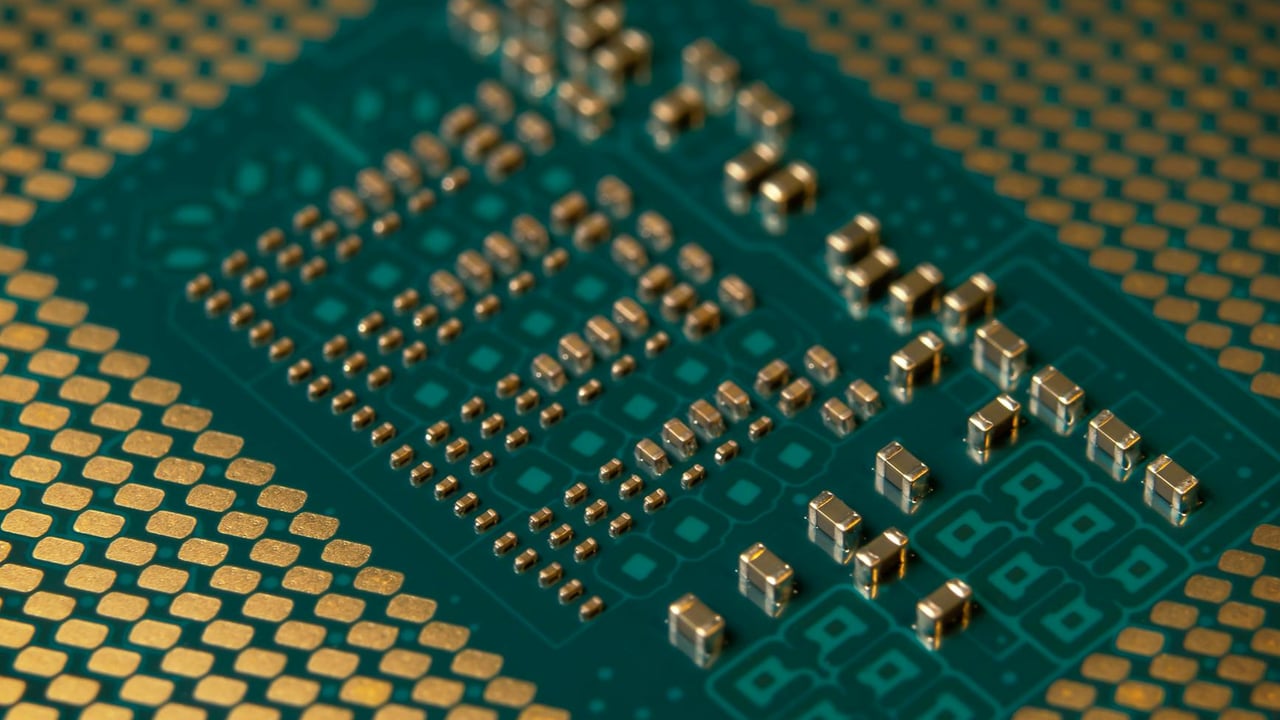
Sector performance on Wednesday was dominated by the 'hard tech' and green energy themes that have become the darlings of the current bull run. Power equipment and electrical infrastructure stocks saw a wave of limit-up moves, driven by the continued expansion of China’s national grid and renewable energy storage capabilities. Similarly, the semiconductor and memory chip sectors witnessed a late-afternoon surge, with dozens of firms hitting the 10% to 20% daily price ceiling as the push for domestic supply chain self-sufficiency reaches a fever pitch.
Conversely, the 'old economy' sectors struggled to keep pace with the high-tech frenzy. The insurance sector and energy metals faced selling pressure, with China Pacific Insurance dropping over 3% as capital exited low-growth financial plays to chase higher returns in the technology space. This divergence highlights a maturing market bifurcated between the strategic industries of the future and the legacy sectors that once anchored the Chinese economy.