
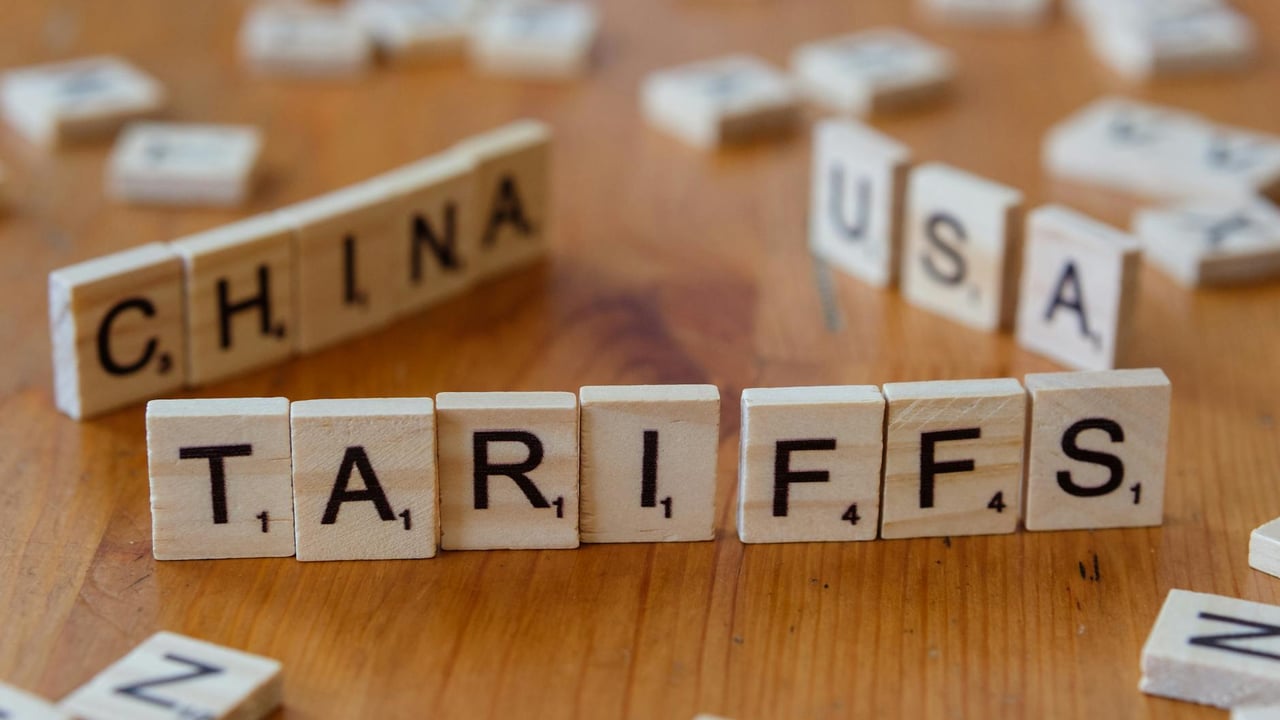

The U.S. Federal Court of Appeals has breathed temporary life back into the Trump administration’s protectionist agenda. By granting a stay on a previous ruling from the Court of International Trade (CIT), the appellate bench has ensured that a 10% global import tariff will remain in effect while the government pursues its appeal. This legal reprieve follows a stinging defeat just last week when the CIT declared the measures unlawful, arguing the administration had overstepped its statutory bounds.
The crux of the battle lies in Section 122 of the Trade Act of 1974. While this provision grants the president authority to impose tariffs during serious balance-of-payments deficits, the lower court found that such conditions were patently absent in the current economic climate. By attempting to use a tool designed for emergency financial crises to address broader trade grievances, the administration hit a judicial wall that has now, at least temporarily, been bypassed.
This legal maneuvering highlights a pattern of executive experimentation with trade laws. After the Supreme Court blocked a previous reciprocal tariff initiative under the International Emergency Economic Powers Act (IEEPA), the White House pivoted to Section 122. This policy whack-a-mole has created an environment of extreme volatility for global manufacturers and U.S. retailers alike, who must now navigate a landscape where trade costs can change at the stroke of a judge's pen.
The impact is being felt acutely by small businesses and state governments. A coalition of 24 states and niche retailers like Burlap & Barrel and Basic Fun! have spearheaded the litigation, arguing that the tariffs are an unauthorized tax on the American consumer. While the CIT granted a permanent injunction to some plaintiffs, the broader appellate stay means that most importers will continue to pay the levy for the duration of the legal process.
Adding a layer of complexity is the ongoing refund process managed by U.S. Customs and Border Protection (CBP). Roughly $35.5 billion in previously collected duties and interest is currently being funneled back to importers following separate legal challenges to previous emergency measures. This creates a bizarre fiscal reality where the government is simultaneously returning billions in old tariffs while fighting to keep the current 10% levy alive.