
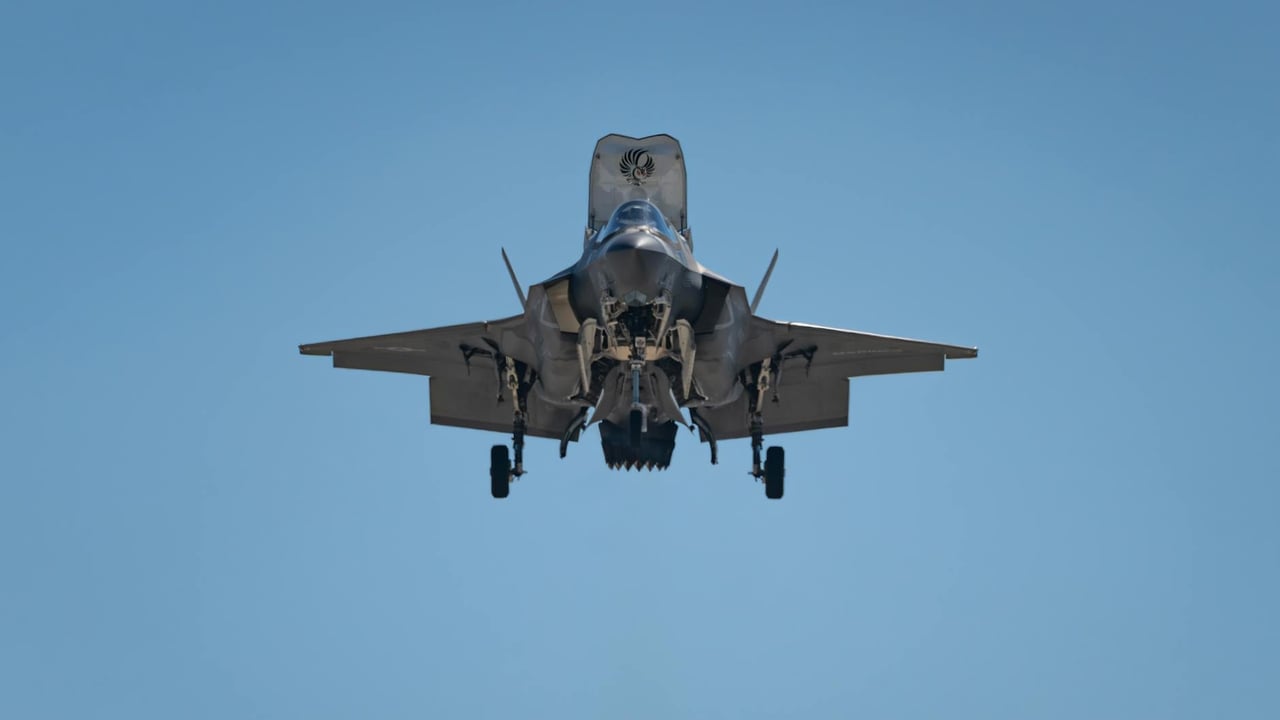

The sudden activation of 'Code 7700'—the international aviation signal for a major in-flight emergency—by two American F-35 stealth fighters over the Gulf of Oman has sent ripples through the international defense community. Within a 24-hour window between May 10 and 11, these multi-million dollar assets, along with an accompanying aerial refueler, were forced to declare distress and seek priority landing. While the U.S. military has officially attributed these incidents to vague technical malfunctions, the concentration of failures in a single, sensitive theater suggests a narrative more complex than mere mechanical fatigue.
The Gulf of Oman presents a uniquely hostile environment for high-performance aircraft, characterized by extreme temperatures and high saline aerosol concentrations. These factors are known to accelerate the corrosion of sensitive metallic components and can wreak havoc on the intricate avionics suites that define fifth-generation fighters. However, the synchronized nature of these alarms across different airframes has led observers to look beyond the weather, focusing instead on the escalating electronic tension between Washington and Tehran.
Iran has recently codified a new military doctrine emphasizing 'new equipment, new tactics, and new fields,' shifting its focus from traditional kinetic confrontation to asymmetric domains like electronic warfare and cyber-defense. This strategic pivot aims to neutralize the technological advantage held by the United States by targeting the digital vulnerabilities of its most sophisticated platforms. Tehran’s history of electronic interference—most notably the 2011 capture of a U.S. RQ-170 drone via signal spoofing—serves as a persistent reminder of its capabilities in this 'invisible' battlefield.
The F-35 Lightning II is often touted as the pinnacle of modern aviation, yet its reliance on a massive, integrated software backbone creates a concentrated point of failure. In the high-stakes environment of the Middle East, the vulnerability of these expensive systems to electromagnetic suppression or signal jamming becomes a critical liability. If localized interference is indeed responsible for these emergency codes, it marks a significant erosion of the air superiority the U.S. has maintained in the region for decades.
This trend signals a fundamental transformation in the nature of regional conflict, where the monopoly on advanced hardware no longer guarantees security. As traditional dogfights give way to electromagnetic duels, the risk of a catastrophic miscalculation near the Strait of Hormuz increases. Should these technical frictions escalate into a broader outage of control, the resulting instability could jeopardize global energy supplies and trigger a cascade of economic shocks far beyond the shores of the Gulf.