
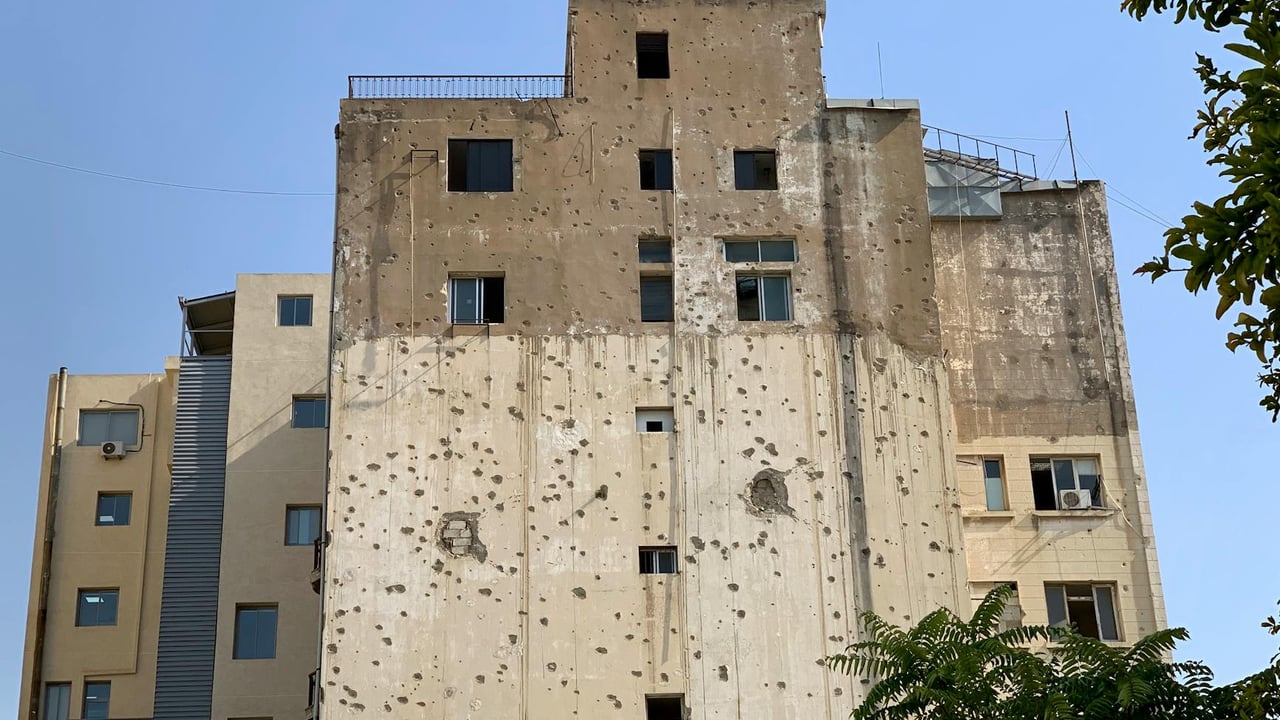

As negotiators from Israel and Lebanon prepare to convene in Washington for a third round of direct talks, the reality on the ground has shifted from diplomatic posturing to a significant military escalation. Israeli elite forces, including the 'Egoz' special unit and the Golani Brigade, have reportedly crossed the Litani River, advancing roughly ten kilometers from the border. This maneuver is not merely a tactical expansion but a profound violation of the geopolitical status quo that has held, however tenuously, since 2006.
The Litani River serves as a critical strategic and psychological 'red line.' Under UN Security Council Resolution 1701, the area between the 'Blue Line' border and the river is mandated as a demilitarized zone, reserved exclusively for the Lebanese Armed Forces and UNIFIL peacekeepers. By establishing a physical presence north of this line, Israel is signaling a move toward the 'Golanization' of Southern Lebanon—attempting to create a permanent military buffer zone through a policy of fait accompli.
Prime Minister Benjamin Netanyahu’s strategy appears to be one of 'negotiating under fire.' By intensifying strikes from the Bekaa Valley to Beirut’s suburbs while simultaneously engaging in D.C., Israel seeks to bypass existing international mediation frameworks that it views as ineffective. The objective is three-fold: to seize control of Lebanon’s vital water and irrigation lifelines, to physically squeeze Hezbollah’s operational space, and to establish a security corridor that eventually allows for sovereign claims.
This aggressive stance places the Lebanese government in a precarious 'double squeeze.' Beirut is desperate for the international economic aid and humanitarian support that a successful negotiation might unlock. However, with Israeli boots on the ground, any concession made at the bargaining table risks being framed as a national betrayal, inviting fierce domestic opposition from Hezbollah and its allies who hold significant sway in Lebanon’s parliament.
Hezbollah has already begun to narrow the government’s maneuverability. Deputy Leader Naim Qassem’s recent call to abandon direct negotiations in favor of indirect channels is a strategic move to preserve political face while maintaining communication. By rejecting face-to-face talks, Hezbollah ensures it can continue to project a stance of 'resistance' while avoiding the political risk of being seen as an accomplice to a compromise that favors Israeli security demands.
Ultimately, the Washington talks are set against a zero-sum backdrop. Israel’s demand for absolute security and the total disarmament of Hezbollah is an existential impossibility for the Lebanese state as currently constructed. With both sides entrenched in their strategic 'red lines,' the likelihood of a diplomatic breakthrough remains slim, as the roar of artillery in the south continues to drown out the dialogue in the West.