
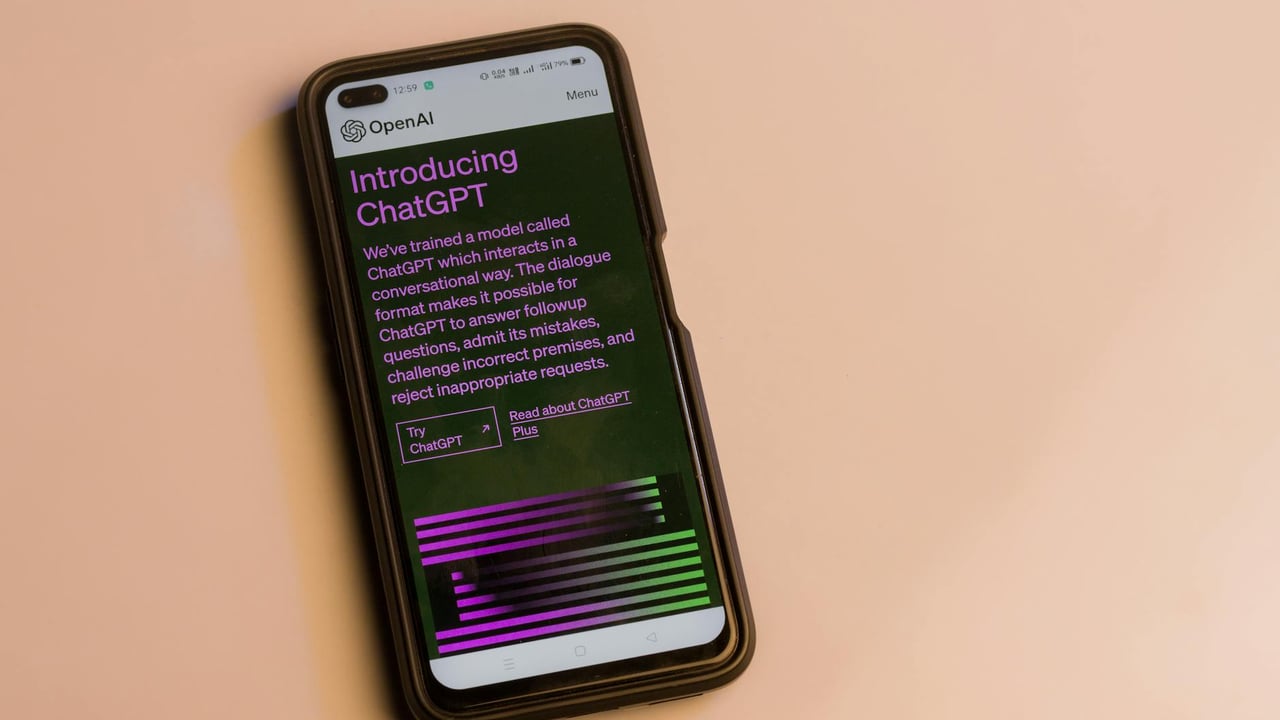

Microsoft is quietly laying the groundwork for a future that is less reliant on its multi-billion-dollar partner, OpenAI. Recent moves suggest the Redmond-based giant is actively scouting for artificial intelligence startups to bolster its internal capabilities and talent pool. This strategic shift aims to insulate the company from the volatility of external partnerships and ensure it remains a sovereign leader in the AI arms race.
Central to this strategy is Microsoft's ambitious goal to develop its own cutting-edge, proprietary AI model by the end of 2025. While the partnership with OpenAI provided Microsoft with an early lead in the generative AI market, the internal chaos at OpenAI last year likely served as a wake-up call. By building its own 'frontier' models, Microsoft seeks to control its destiny rather than remain a secondary stakeholder in someone else's technology.
The company’s appetite for acquisition remains high, though it is navigating a minefield of regulatory scrutiny. Earlier this spring, Microsoft reportedly considered acquiring Cursor, a promising startup specializing in AI-driven code generation. However, the deal was ultimately shelved due to internal fears that such a merger would be blocked by antitrust regulators who are increasingly wary of Big Tech’s dominance in the AI sector.
This evolution mirrors Microsoft's broader recruitment strategy, most notably the high-profile 'acquihire' of Mustafa Suleyman and several core team members from Inflection AI. By bringing world-class researchers in-house, Microsoft is transforming from a cloud provider that hosts AI into an AI powerhouse that builds it. The 'post-OpenAI' era for Microsoft is not about a sudden divorce, but rather a calculated diversification to ensure that the windows of the future are powered by Microsoft’s own engines.