AI-Driven 'Smart Charging' Could Boost EV Battery Lifespan by 23% Without Increasing Wait Times

Researchers have developed an AI-powered charging strategy that increases EV battery longevity by nearly 23% by monitoring cell health in real-time. This innovation mitigates the damaging effects of fast charging without increasing the time drivers spend at charging stations.

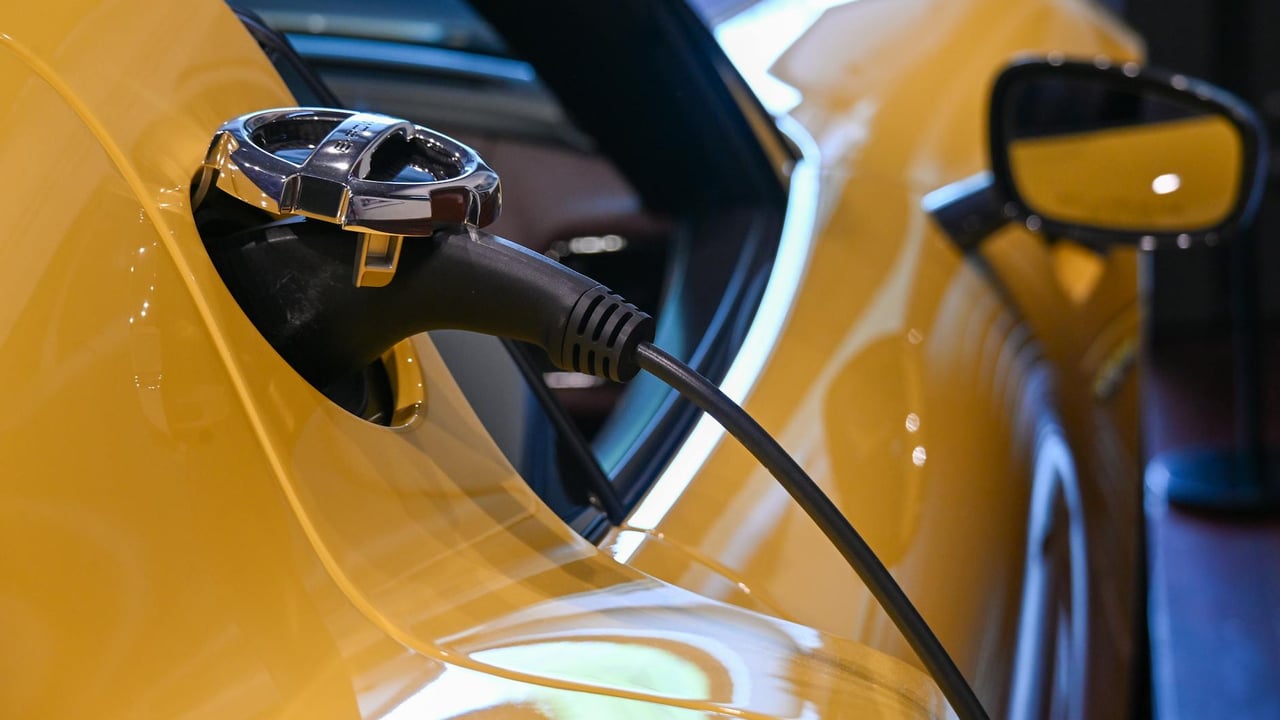
Close-up of a yellow electric vehicle charging with a plugged-in cable indoors.

Key Takeaways

  • 1A joint research team from Sweden and New Zealand developed an AI algorithm that adapts charging currents based on real-time battery health.
  • 2The protocol extends the lifespan of EV batteries by approximately 23% compared to standard fast-charging methods.
  • 3The technology achieves these longevity gains without increasing the duration of the charging process.
  • 4Findings were published in the prestigious IEEE Transactions on Transportation Electrification journal.

Editor's
Desk

Strategic Analysis

This research marks a significant pivot from the pursuit of new battery chemistries to the optimization of existing hardware through advanced software. While the industry awaits the 'holy grail' of solid-state batteries, the ability to squeeze 23% more life out of current lithium-ion technology offers a massive, immediate competitive advantage. For manufacturers, integrating AI into Battery Management Systems (BMS) represents a cost-effective way to enhance vehicle value and warranty terms without expensive physical retooling. Furthermore, this technology could stabilize the secondary EV market; by proving a battery has been 'AI-managed,' sellers can mitigate the steep depreciation currently caused by 'battery anxiety' among used-car buyers.

China Daily Brief Editorial
Strategic Insight
China Daily Brief

The global transition toward electric vehicles (EVs) has long been hampered by a fundamental trade-off: the convenience of fast charging versus the long-term health of the lithium-ion battery. Rapid energy transfer typically generates heat and physical stress that degrades battery chemistry, often forcing owners to choose between a quick top-up and the long-term durability of their vehicle’s most expensive component.

A breakthrough study published in the IEEE Transactions on Transportation Electrification suggests that artificial intelligence may finally render this compromise obsolete. Researchers from Chalmers University of Technology in Sweden and Victoria University of Wellington in New Zealand have developed a sophisticated AI-driven charging protocol that extends battery life by nearly 23% while maintaining current fast-charging speeds.

Unlike traditional 'blind' charging systems that follow a pre-set, rigid current curve, this AI model monitors the battery’s health status in real-time. It dynamically adjusts the flow of electricity to minimize stress on the internal cells, preventing the microscopic damage and lithium plating that typically occur during high-intensity charging sessions. This level of precision allows for optimized energy intake that responds to the specific degradation profile of an individual battery pack.

For the global automotive industry, this development targets one of the primary hurdles to mass adoption: the high cost of battery replacement and the resulting steep depreciation of used EVs. If software-based optimizations can deliver double-digit gains in longevity, the total cost of ownership for electric cars could drop significantly, further closing the gap between EVs and traditional internal combustion engine vehicles.

Share Article

Related Articles

📰
No related articles found