Britain Flexes Maritime Muscle: A Strategic Gamble in the Strait of Hormuz

The United Kingdom is deploying HMS Dragon, Typhoon jets, and £115 million in specialized anti-drone technology to the Strait of Hormuz to secure international shipping lanes. This defensive mission aims to mitigate the impact of regional conflicts on the British economy while reinforcing multilateral maritime security.

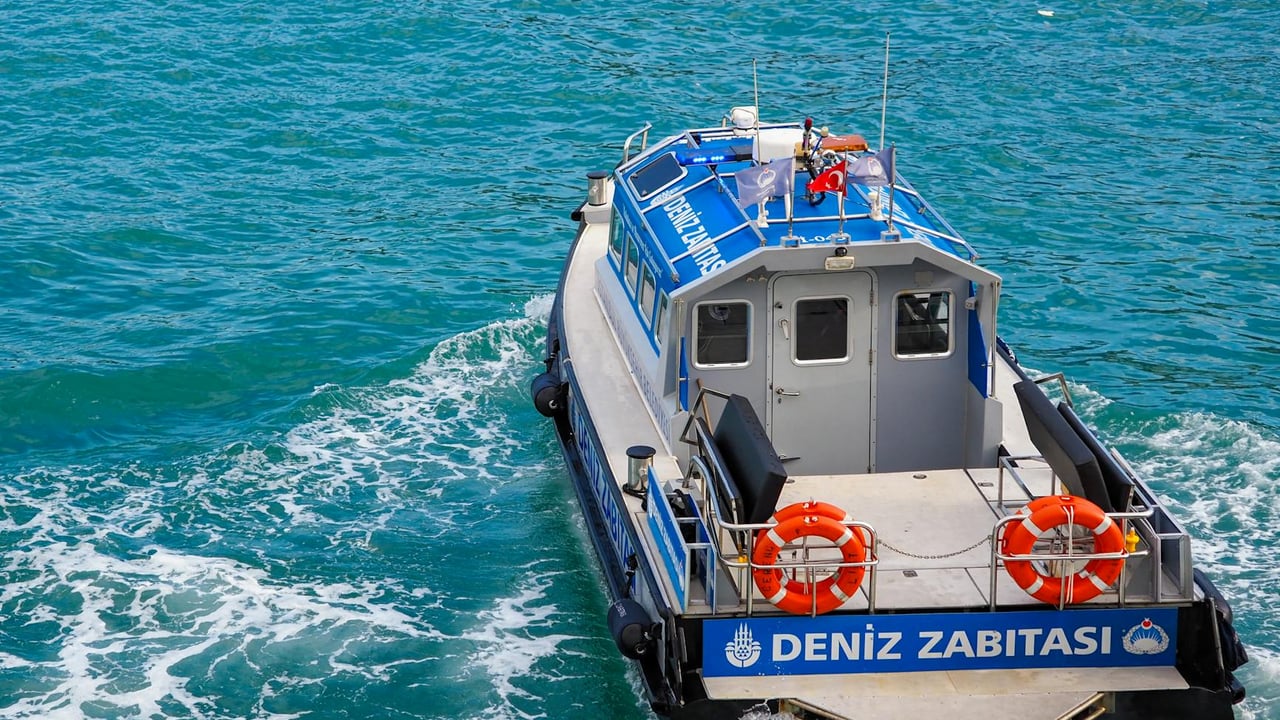
Marine patrol boat cruising the vibrant waters of Istanbul, Turkey with clear blue sea and lifebuoys onboard.

Key Takeaways

  • 1Deployment of HMS Dragon destroyer and Sea Viper anti-drone systems to the Middle East.
  • 2Royal Air Force Typhoon jets will conduct persistent aerial patrols over the Strait of Hormuz.
  • 3A dedicated £115 million investment in autonomous mine-clearing and anti-unmanned aerial vehicle (UAV) systems.
  • 4Strategic coordination with a 40-nation coalition to maintain global commercial shipping confidence.
  • 5The mission is framed as strictly defensive to safeguard energy security and international law.

Editor's
Desk

Strategic Analysis

Britain’s latest deployment is a classic exercise in 'Global Britain' naval diplomacy, intended to prove that the Royal Navy remains a relevant force despite domestic budget constraints. By focusing heavily on anti-drone and mine-clearing technology, London is addressing the specific tactical challenges posed by regional proxies who use low-cost asymmetric tools to disrupt high-value trade. This move serves a dual purpose: it shores up the UK's special relationship with the United States by leading a critical maritime coalition, and it provides a necessary hedge against energy price volatility that could further destabilize the UK's domestic economy. However, the success of this mission will depend on the delicate balance of deterrence; should HMS Dragon be forced to engage, the 'defensive' narrative will be tested against the realities of a rapidly shifting Middle Eastern geopolitical landscape.

China Daily Brief Editorial
Strategic Insight
China Daily Brief

The United Kingdom has signaled a robust escalation of its presence in the Middle East, committing a sophisticated array of naval and aerial assets to the Strait of Hormuz. Defence Secretary John Healey announced the deployment of the Type 45 destroyer HMS Dragon alongside Typhoon fighter jets to bolster a multilateral maritime security mission. This move follows a high-level summit involving representatives from over 40 nations, underscoring the international urgency surrounding the safety of global energy corridors.

Central to this mission is a substantial financial commitment of £115 million specifically earmarked for advanced drone-neutralization and autonomous mine-sweeping technologies. The HMS Dragon, equipped with the Sea Viper air defense system, is designed to counter the asymmetric threats that have increasingly plagued the region. By integrating Typhoon jets for aerial patrols, the British Ministry of Defence aims to establish a layered defense canopy over one of the world’s most volatile maritime chokepoints.

The deployment arrives at a time when the Strait of Hormuz remains a critical artery for global trade, with nearly a fifth of the world's oil consumption passing through its narrow waters. Any disruption here reverberates instantly through global energy markets, making the security of this passage a matter of national economic survival for the UK. London’s emphasis on the 'defensive nature' of the operation is a calculated attempt to deter regional provocations without inadvertently triggering a wider escalation.

This strategic pivot also highlights Britain’s evolving military doctrine, which increasingly prioritizes autonomous systems and counter-drone capabilities. The allocation of over £100 million for such tech suggests that the MoD views the threat from non-state actors and low-cost loitering munitions as a permanent fixture of modern maritime warfare. By leading with technology, the UK seeks to project power while managing the political risks associated with conventional boots on the ground.

Share Article

Related Articles

📰
No related articles found