
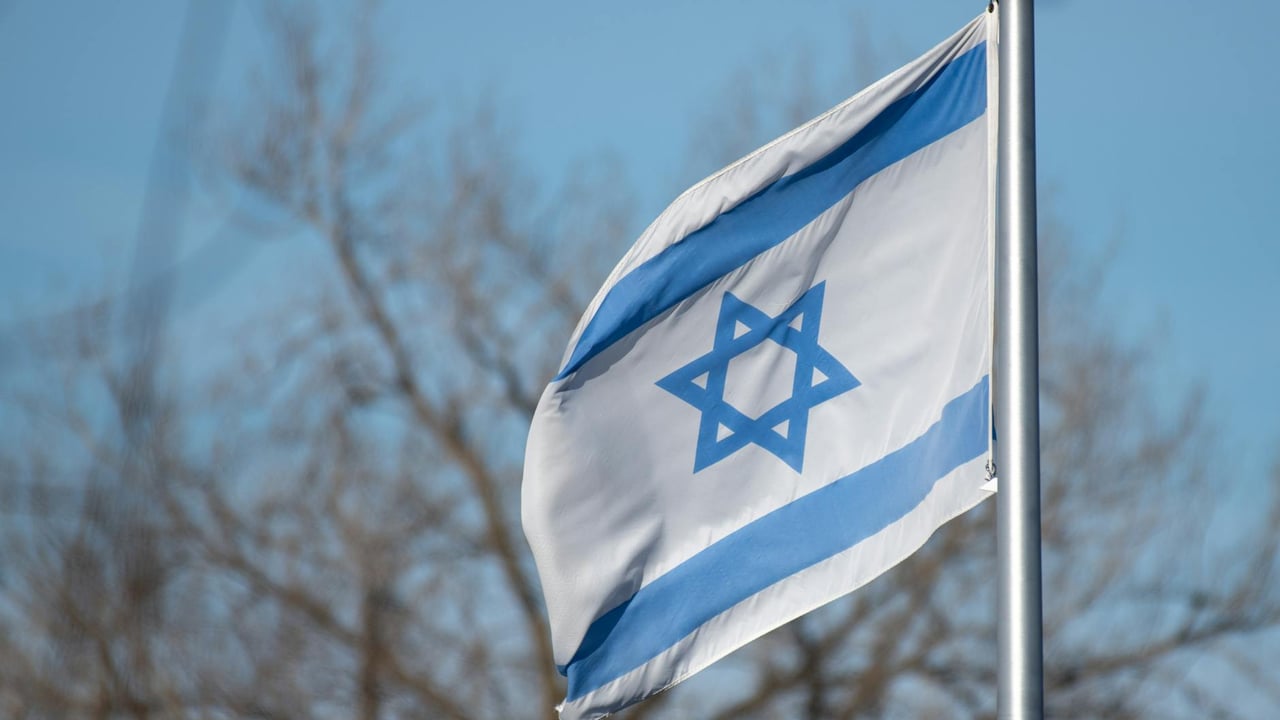

In a move that underscores the shifting tectonic plates of Middle Eastern geopolitics, the Israeli Prime Minister’s Office has revealed that Benjamin Netanyahu conducted a secret high-stakes visit to the United Arab Emirates. This clandestine meeting with UAE President Mohamed bin Zayed took place against the backdrop of Operation 'Roaring Lion,' a significant Israeli military campaign directed at Iranian interests. The announcement transforms what was previously a quiet security understanding into a public declaration of a burgeoning strategic alliance.
While the Israeli military was actively engaged in operations against Tehran, the presence of its leader in Abu Dhabi suggests a level of coordination that far exceeds the standard diplomatic channels established by the 2020 Abraham Accords. The Israeli Prime Minister’s Office characterized the visit as a 'historic breakthrough,' a term that signals a transition from economic normalization to a hard-nosed military and intelligence partnership. For the UAE, hosting Netanyahu during an active strike on Iran is a calculated risk that priorities regional stability over traditional pan-Arab grievances.
The timing of this disclosure is as significant as the meeting itself. By confirming the visit only after the conclusion of specific military phases, Israel is signaling to Tehran that it no longer stands alone in its confrontation with the Islamic Republic. This 'shadow diplomacy' reflects a new reality where the existential threat posed by Iranian regional hegemony has forced former adversaries into a marriage of convenience, anchored by shared intelligence and integrated defense strategies.
This development also places the United States in a complex position as it attempts to manage its own cooling relations with various regional powers. The Israel-UAE axis is increasingly acting with a degree of autonomy, setting its own red lines regarding Iranian nuclear and ballistic ambitions. As the smoke clears from Operation 'Roaring Lion,' the revelation of this summit serves as a potent reminder that the Middle East is being redefined not by peace treaties on paper, but by the cold calculations of mutual survival.