Silicon Valley’s New Wingman: What Jensen Huang’s Air Force One Cameo Means for the Global AI Race

NVIDIA CEO Jensen Huang’s last-minute invitation to join the President on Air Force One marks a historic alignment between the AI industry and U.S. national security policy. This move signals a deeper fusion of corporate tech leadership and government strategy amid the escalating global semiconductor competition.

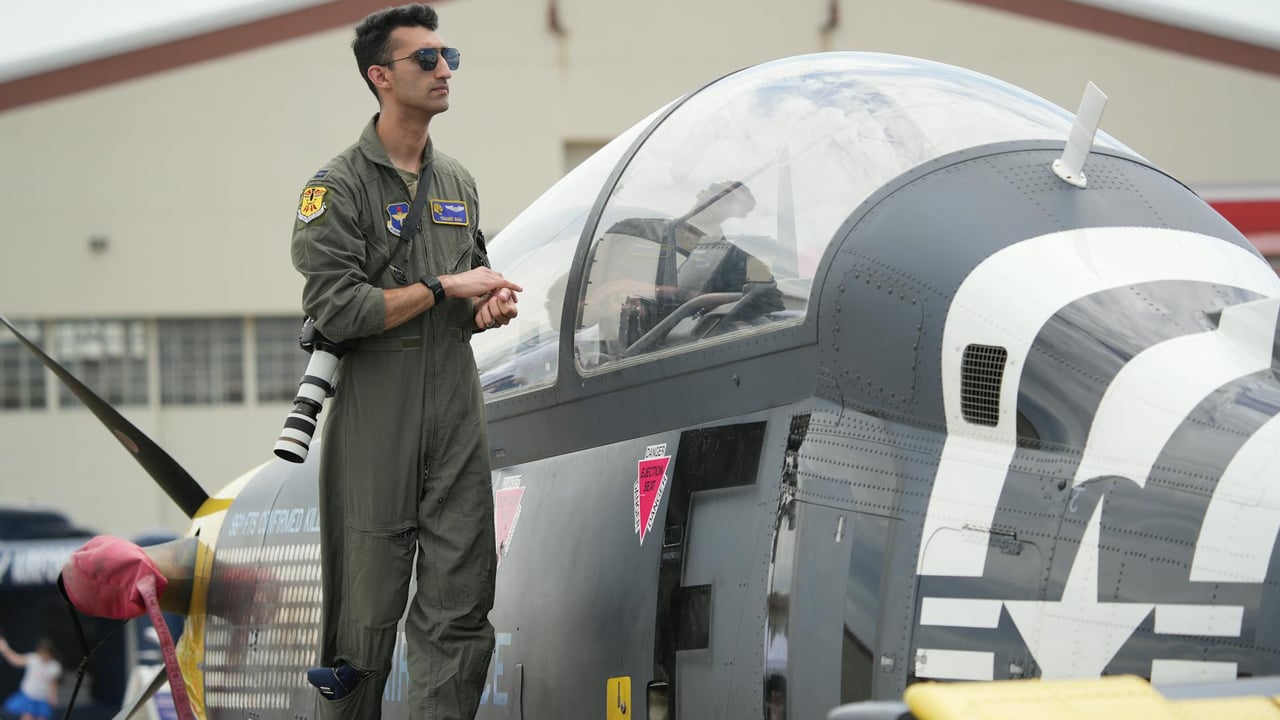
A military pilot standing on a fighter jet during an air show in Hampton, Virginia.

Key Takeaways

  • 1Jensen Huang's unexpected presence on Air Force One highlights NVIDIA's role as a key strategic asset for the U.S. government.
  • 2The event suggests an escalation in the 'AI arms race,' where hardware leadership is treated as a core component of national defense.
  • 3The 'last-minute' nature of the boarding implies urgent high-level discussions regarding supply chains or technological export policies.
  • 4The alliance reinforces the U.S. strategy of keeping critical AI development closely aligned with executive branch objectives.

Editor's
Desk

Strategic Analysis

Huang’s boarding of Air Force One is more than a mere photo opportunity; it is the formal debut of the 'AI Industrial Complex.' By bringing the architect of the world's most sought-after semiconductors into the inner sanctum of executive power, the administration is signaling to both allies and adversaries that NVIDIA’s technological roadmap is now synonymous with American strategic interests. For China, this serves as a clear warning that the gap in compute power will be maintained through a unified front of government policy and corporate engineering. This development suggests that future chip designs and distribution will be increasingly dictated by geopolitical necessity rather than just market demand.

China Daily Brief Editorial
Strategic Insight
China Daily Brief

The sudden sight of NVIDIA CEO Jensen Huang ascending the steps of Air Force One at the eleventh hour has sent shockwaves through global markets and diplomatic circles alike. This rare convergence of a Silicon Valley titan and the ultimate symbol of American executive power suggests a significant shift in how Washington integrates private-sector expertise into its high-stakes geopolitical strategy.

NVIDIA currently sits at the undisputed center of the global artificial intelligence revolution, controlling the critical hardware necessary for the next generation of computing. Huang’s inclusion on the presidential flight underscores the company’s transition from a mere commercial hardware manufacturer to a pivotal asset in the United States' national security framework.

For observers in Beijing, the move is being interpreted as a consolidation of the 'Small Yard, High Fence' strategy, where the U.S. government tightly regulates critical technologies while fostering domestic champions. The presence of the man behind the world's most advanced AI chips on the President's aircraft signals that the line between commercial success and strategic military advantage has officially vanished.

Furthermore, this event likely points to impending shifts in export controls or perhaps a new phase of the CHIPS Act, requiring direct consultation with the industry's most influential architect. As the rivalry between the world's two largest economies intensifies, the boardroom and the Situation Room are increasingly operating as a unified front in the battle for technological supremacy.

Share Article

Related Articles

📰
No related articles found